
Last updated November 21, 2026
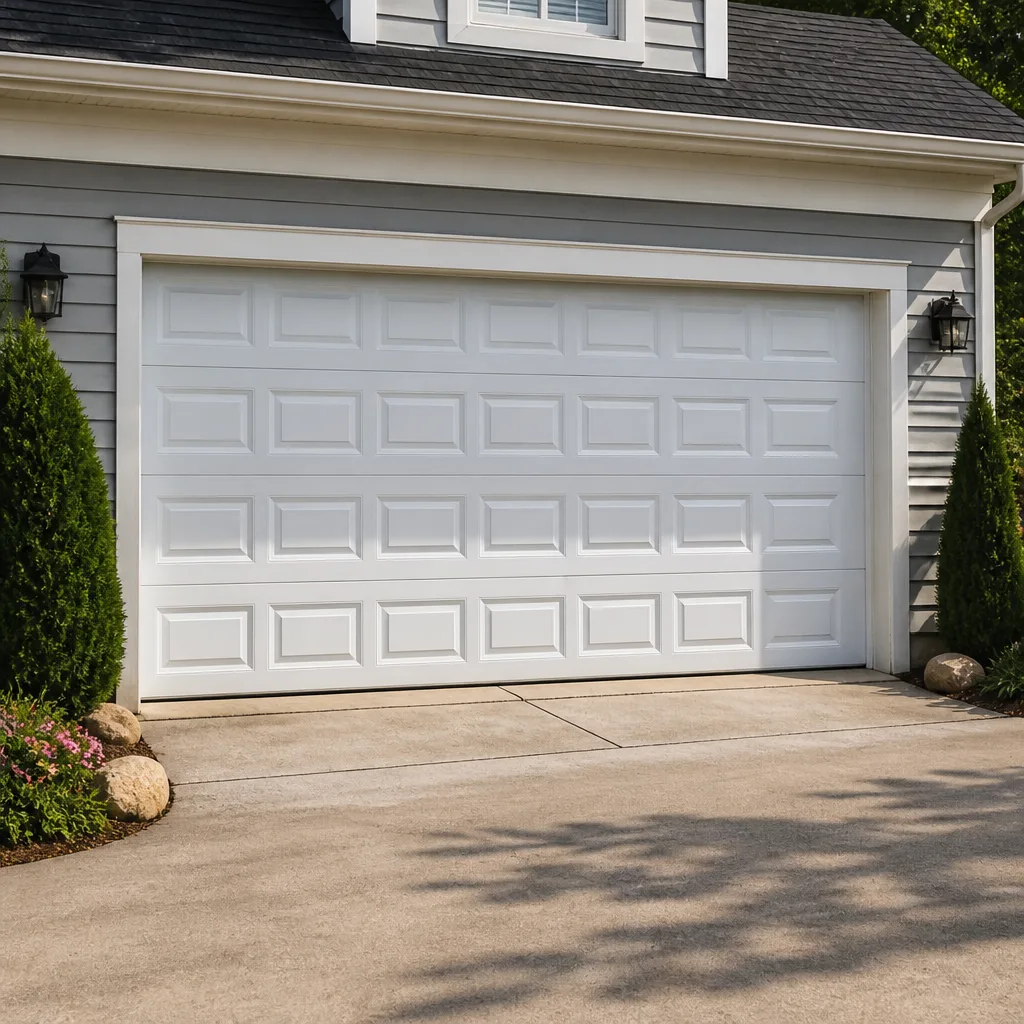 Raised-panel steel
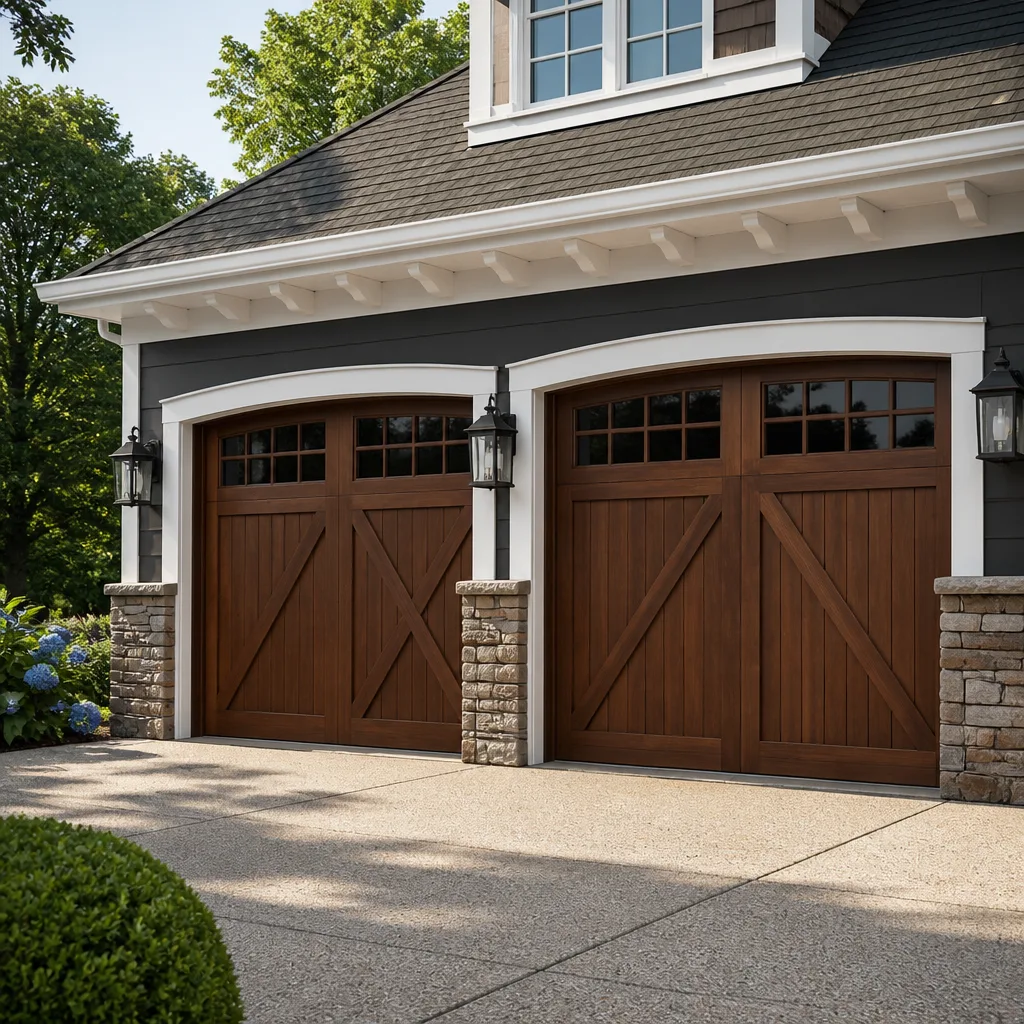 Carriage house
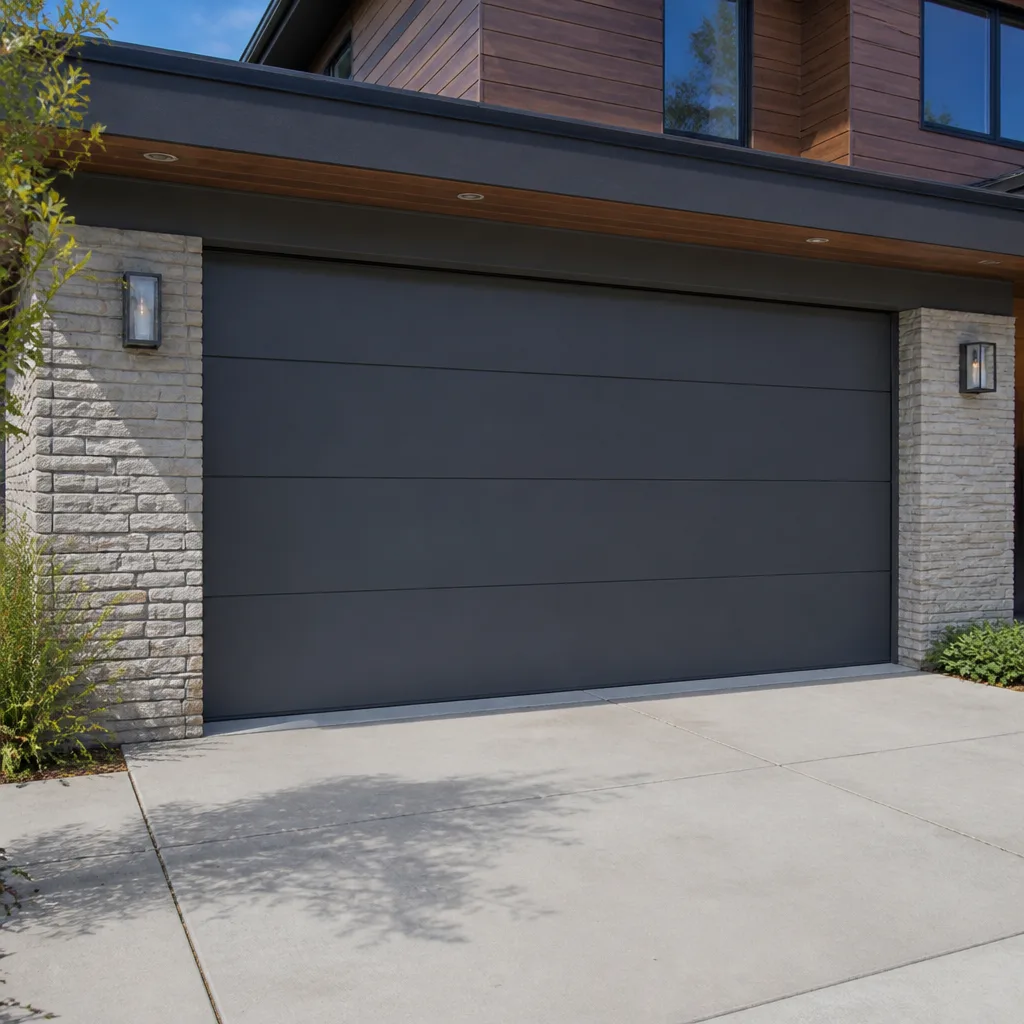 Modern flush
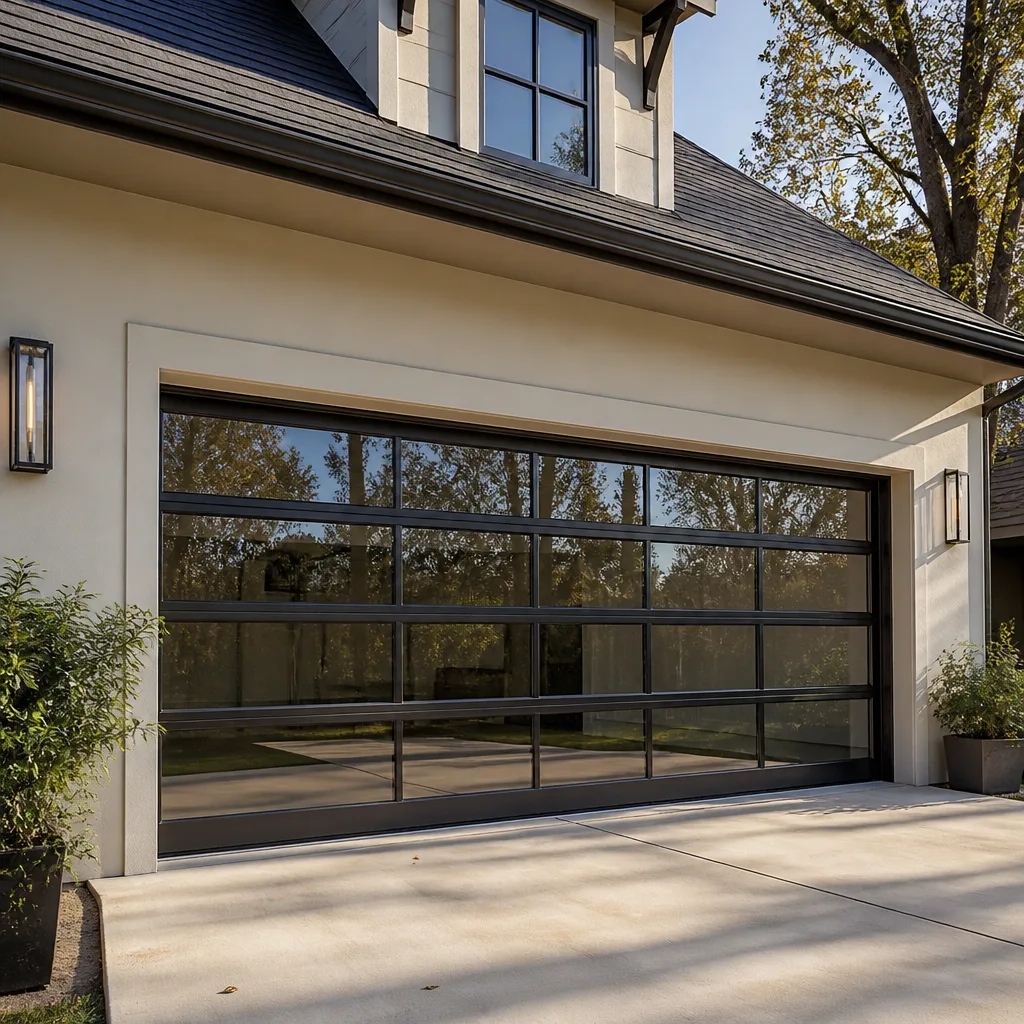 Full-view glass
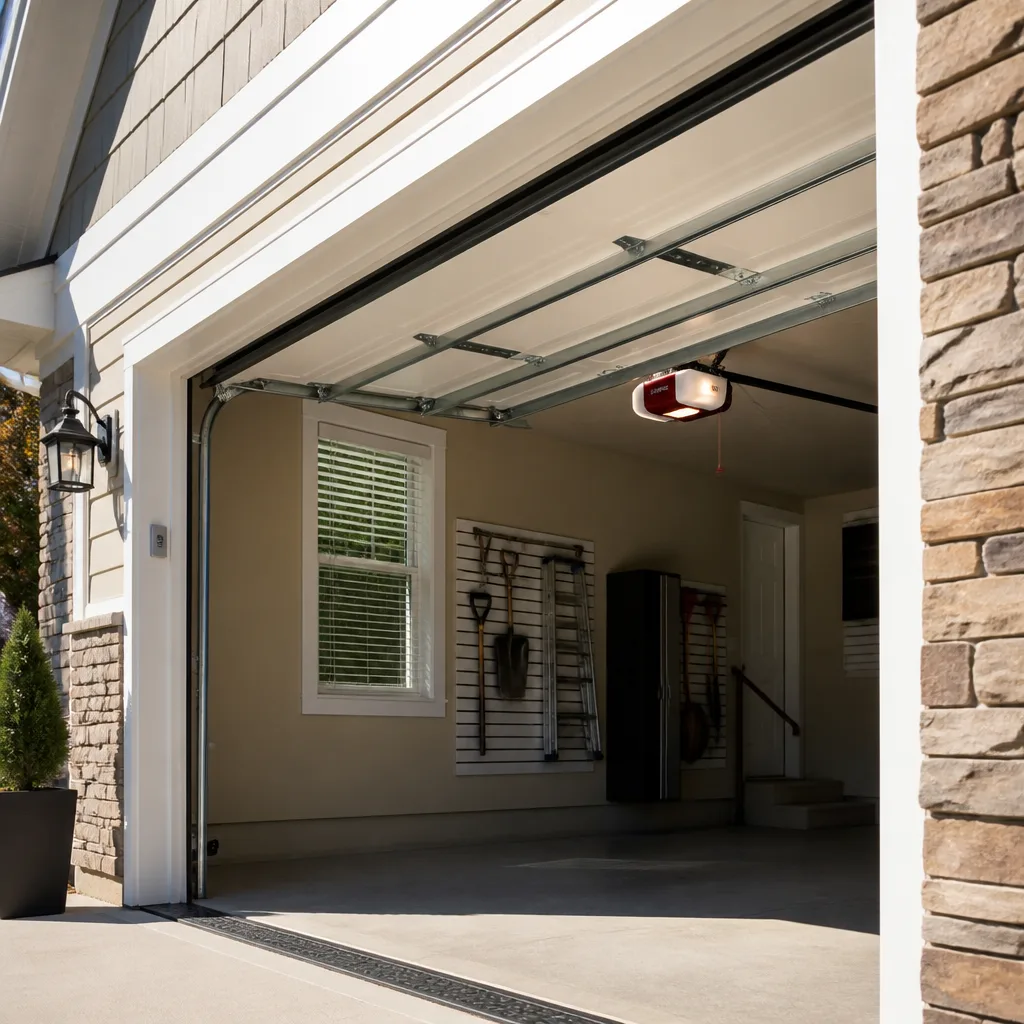 LiftMaster openers
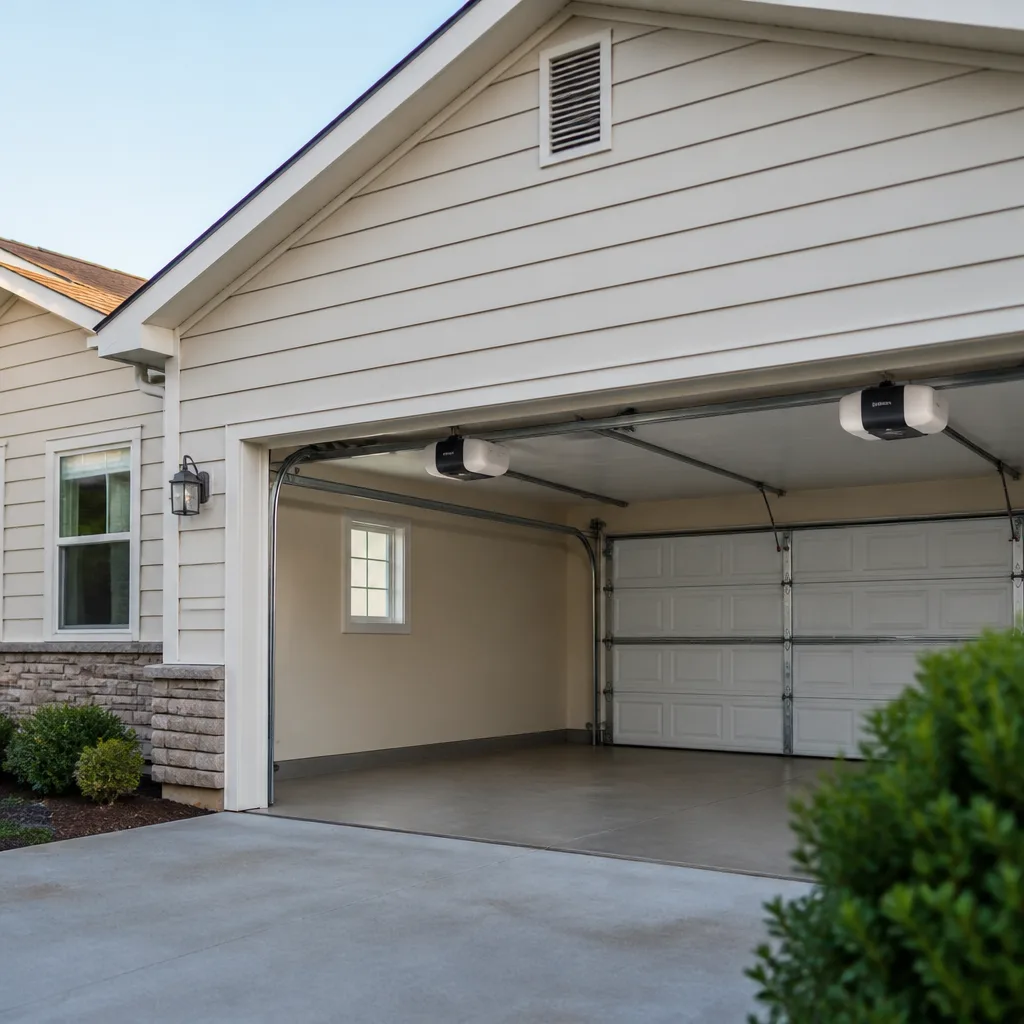 Chamberlain openers
Full 25-point door and opener safety check with every visit - springs, cables, rollers, tracks, and your LiftMaster or Chamberlain opener included
You get a price before we start. It does not change when the pro arrives.
Get your free estimateThe Complete Guide to Garage Doors in Kensington
Most Kensington homes were built before the modern two-car garage existed, which means the average door opening here is 8 to 9 feet wide, not the 16-foot standard that most installation guides assume. That single fact changes nearly everything: the door you buy, the opener you hang, the way a technician gets a truck near the opening, and what happens to your tracks when the ground freezes and thaws. Generic garage door advice written for suburban cul-de-sacs runs into trouble fast on these streets. This guide treats Kensington’s rowhouse blocks, alley garages, and older masonry openings as the real context, not an afterthought, and walks you through choosing, sizing, repairing, and maintaining a door that actually fits.
Quick Answer
A Kensington garage door usually needs a narrow 8- to 9-foot door sized to your actual rough opening, not a stock 16-foot panel, and older masonry openings often need header reinforcement before anything new goes up. Repairs are straightforward when a specialist measures the opening and matches the door and opener to your brand. Free estimates are available across Kensington; call (833) 439-5277 to get one started.
Styles & brands we work with
- Raised-panel steel
- Carriage house
- Modern flush
- Full-view glass
- LiftMaster openers
- Chamberlain openers
Table of Contents
- Kensington’s Built Environment and What It Means for Your Door
- Alley-Access Garages: Door Type and Opener Placement
- How to Assess Whether Your Rough Opening Fits a Standard Door
- Why Older Masonry Openings Need Header Reinforcement
- Door Styles That Fit Kensington’s Facades
- Freeze-Thaw Cycles, Concrete Pads, and Track Alignment
- Repair or Replace? A Decision Framework
- Springs and Openers: The Dangerous and the Fixable
- Common Mistakes to Avoid
- When to Call a Professional
- Frequently Asked Questions
Kensington’s Built Environment and What It Means for Your Door
The housing stock in Kensington is the first thing any door specialist has to understand. A large share of homes here went up before the idea of a built-in two-car garage took hold, so garages are often retrofitted into carriage houses, added onto the back of a rowhouse, or tucked into a block’s interior under a shared structure. The opening is frequently narrower and lower than what a modern factory door assumes.
What this means in practice:
- Width matters more than style. An 8- to 9-foot single door is the common fit for a Kensington rowhouse garage; a 16-foot double door is the exception, usually found only where a lot was consolidated.
- Height is often below standard. Older openings may not clear a standard 7-foot door, which pushes you toward custom sizing or a conversion kit.
- Headroom and backroom are tight. Low ceilings and shallow depth behind the opening rule out some openers and some high-lift track configurations.
- The building’s frame is load-bearing. In a rowhouse, the garage opening shares its wall with the structure around it, so wall work isn’t cosmetic.
When we look at a Kensington door, we start by confirming what the opening actually is, then work backward to the door and opener. That order saves homeowners from buying a standard door that won’t fit. Our technicians have up to 10 years of experience with this kind of assessment, and it’s why a garage door installation here is measured before it’s ordered. Free estimates are available, and the written price is agreed before any work starts.
Alley-Access Garages: Door Type and Opener Placement
Many Kensington garages open onto a rear alley rather than a street-facing driveway. That changes both the door you choose and where the opener lives. An alley opening is usually set into the back of the block, often with a low wall or carriage house frame above it, and clearance on the approach can be limited.
Here’s what we look at for alley-access garages:
- Approach clearance. How much room a vehicle has to swing into the opening decides whether a wide door makes sense or a narrower one is the only practical choice.
- Security on the opening side. An alley door is more exposed, so a solid or paneled door with a good locking bar and a monitored opener gives better protection than a glass-heavy design.
- Opener placement. In a shallow alley garage, the opener has to be mounted where the door’s travel won’t clip the ceiling or a stored item. A ceiling-mount opener with correct rail length is often the answer; a side-mount jackshaft opener suits low-headroom layouts better.
- Weather exposure. An alley opening catches rain and snow drift differently than a sheltered street-facing door, which affects the threshold and bottom seal.
For alleys, the door type selection usually leans toward a sturdier steel or insulated panel door rather than a light frame design, and the opener gets matched to the available headroom. If your opener won’t cooperate with the geometry, garage door opener repair and re-placement can often be done without replacing the whole unit, especially on Chamberlain and Genie models. Call (833) 439-5277 for a free estimate.
How to Assess Whether Your Rough Opening Fits a Standard Door
Before you shop for a door, measure the rough opening. A standard door needs a rough opening a few inches larger than the finished door size, and Kensington’s older openings are often right at the edge. Here’s the process:
- Measure the finished opening width between the inside faces of the jambs, at the top, middle, and bottom. If those three numbers differ, your opening is out of square.
- Measure the height from the finished floor to the underside of the header, again at both sides.
- Measure the headroom above the header to the ceiling, and the backroom depth behind the opening to the nearest obstruction. These decide which opener and track style fit.
- Check for a level sill and vertical jambs. In an older building, an out-of-level concrete pad or a bowed jamb will make a standard door bind.
If your opening measures an 8- to 9-foot single in a roughly standard height, a stock door can work. If it’s noticeably narrower, below standard height, or badly out of square, you’re looking at custom sizing or a conversion. A specialist will confirm the numbers and tell you which path is realistic. If you’re weighing a like-for-like swap against a new install, our garage door repair team can tell you whether your frame can take a standard door before you commit.
Why Older Masonry Openings Need Header Reinforcement
A garage door carries real weight, and it transfers that load to the wall above the opening through the header and the track brackets. In many pre-1950s Kensington homes, that wall is older brick, block, or masonry that was never designed to carry a modern door’s hardware. Adding a new door, or even a heavier insulated one, without checking the header is how you get cracking, sagging, and a door that drifts out of alignment.
What header reinforcement typically involves:
- Inspecting the existing header for cracks, sag, or missing lintel support above the opening.
- Confirming the track brackets will anchor into solid material, not crumbly mortar or a hollow cavity.
- Adding or upgrading a support member across the opening so the door’s weight is carried properly.
- Re-checking plumb and level after any masonry work, before the door goes up.
This is structural work, and it’s the step that separates a door install that lasts from one that fights its frame for years. If your opening is in old masonry, ask for it to be checked before the door is ordered. Permits for structural work vary, so confirm requirements with your city’s building department. A specialist who works only on garage doors knows to look for it. Call (833) 439-5277 to arrange a free estimate in Kensington.
Door Styles That Fit Kensington’s Facades
Kensington’s architecture is a mix of Victorian, rowhome, and mid-century facades, and the garage door should read as part of the house, not an afterthought bolted to the back. The right style choice is mostly about matching the home’s era and trim, not chasing a catalog trend.
A few directions that work well here:
- Victorian and carriage-house homes. A carriage-style door with decorative panels or window inserts suits the trim and can be specified in a narrow width. Clopay and Amarr both offer lines that can be sized to fit.
- Rowhome garages. A clean flush or short-panel steel door in a color matched to the rear facade keeps the alley-side elevation orderly and low-maintenance.
- Mid-century facades. A flat, understated door with a horizontal panel profile fits the straight lines of these homes.
- Insulated vs. uninsulated. If the garage is attached to living space, an insulated door helps separate the two. If it’s a detached carriage house, insulation matters less.
Window inserts, glass, and finish color all affect cost, so decide the look first, then the budget. A specialist can pull a door in the right width for your opening rather than forcing a standard size. If you’re comparing options, our guide to Garage Door Repair Kensington walks through the service side, and a free estimate will get you a written number on the style you pick.
Freeze-Thaw Cycles, Concrete Pads, and Track Alignment
Kensington sits in a climate with real seasonal freeze-thaw cycles, and older concrete pads are the first thing to feel them. When the ground freezes, heaves, and thaws, an old pad can shift by fractions of an inch. That’s enough to throw a door’s bottom seal out of contact or knock a track out of plumb.
What we see happen to doors through the seasons:
- Bottom seals lose their seal. A pad that has heaved or settled leaves a gap under the door, which lets in cold air, water, and pests. Replacing the bottom seal and adjusting the door’s travel restores the contact.
- Tracks drift out of alignment. Frost heave can move the pad under one track more than the other, so the door binds or rubs. The tracks then need to be re-plumbed and re-anchored.
- Concrete cracks at the threshold. Older pads crack along the edges, and a door’s bottom roller can lose its smooth run if the concrete crumbles.
- Seals harden in cold. A worn bottom seal gets brittle in a cold snap and tears.
The fix for most seasonal issues is maintenance and re-alignment, not a new door. Checking the seal and track alignment before the first hard freeze saves a lot of winter headaches. When a door starts scraping or the seal fails, garage door repair can usually re-set the track and replace the seal. Call (833) 439-5277 for a free estimate.
Repair or Replace? A Decision Framework
Homeowners often ask whether a problem is a repair or a replacement. The honest answer depends on the door’s condition, the frame, and how much you’d spend to keep an old door running. Here’s a framework we use:
- Is the door structure sound? Cracked panels, rot in a wood frame, or a bent track that won’t re-align point toward replacement.
- Is the problem mechanical or structural? A broken spring, a failed opener, a worn roller, or a snapped cable is a repair.
- Is the frame able to hold a new door? If the header or masonry is questionable, reinforcement comes first and can change the math.
- How many systems are failing at once? One broken part is a repair. A door with failing springs, worn tracks, and an opener at the end of its life is usually a replacement.
For a like-for-like door swap, we can often reuse a sound track and opener. For a full install, the door, opener, and frame get specified together. If you’re not sure which side of the line you’re on, that’s exactly what a free estimate is for: you get a written answer and a price, agreed before any work starts. Call (833) 439-5277.
Springs and Openers: The Dangerous and the Fixable
Torsion and extension springs carry the full weight of the door, and they store enough energy to cause serious injury if they let go while someone is working on them. That’s why spring work is a specialty job, not a weekend project. A trained technician uses the right winding bars and knows how to release and re-tension a spring safely. If a spring has snapped, the door will feel heavy, may not lift, and could hang unevenly; leave it alone and call a specialist.
Openers are a different story. A Chamberlain or Genie unit that’s stopped responding, reverses without warning, or won’t close all the way is usually a fixable problem: a sensor out of alignment, a stripped gear, a failed logic board, or a remote that needs re-pairing. Opener repair is a routine call. A garage door specialist works across the major brands every day, so they recognize your unit and know what to check.
For springs, the safe move is always to call a professional. For openers, a quick diagnostic usually tells you whether it’s a repair or a replacement. In either case, the price is set by the written estimate, and you’ll know it before anything gets touched. Call (833) 439-5277. We answer 24/7. Fast dispatch from 7am to 7pm, Sunday through Friday.
See the difference
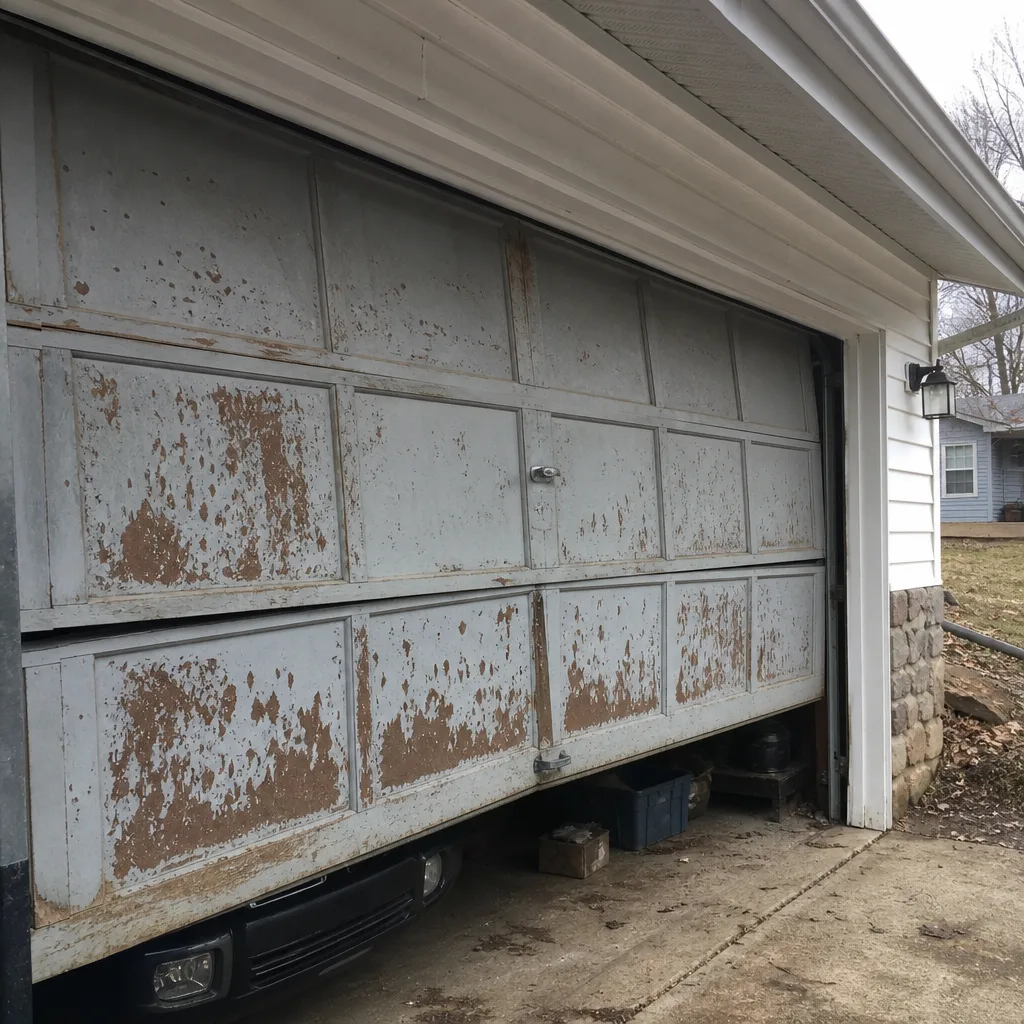 Before
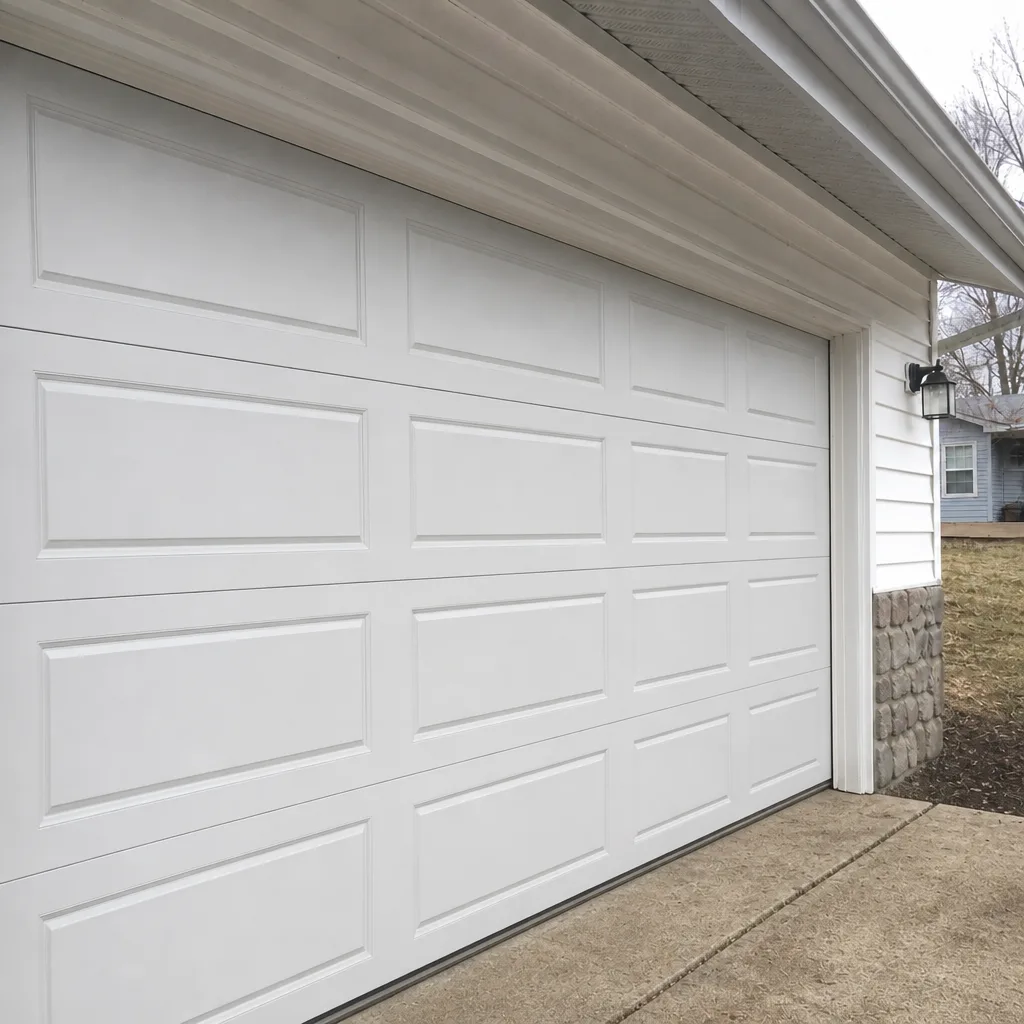 After
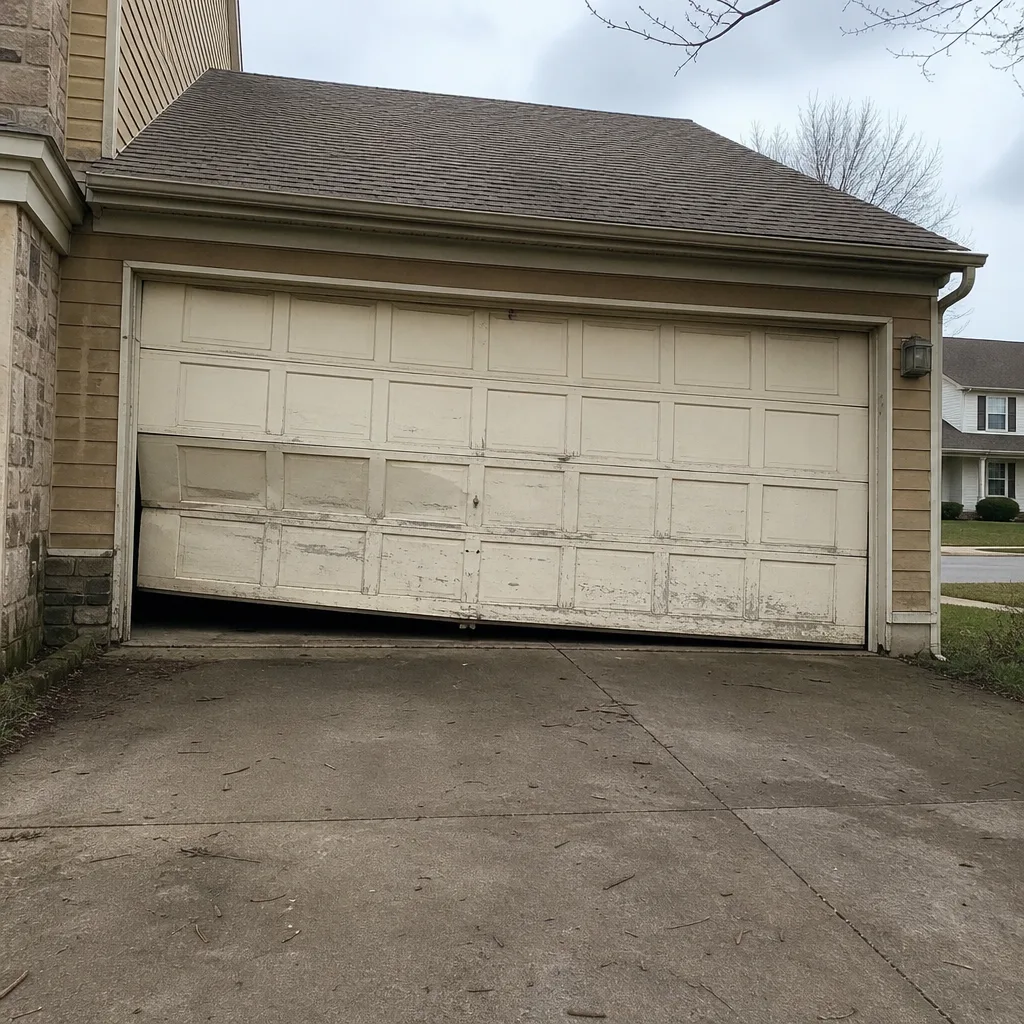 Before
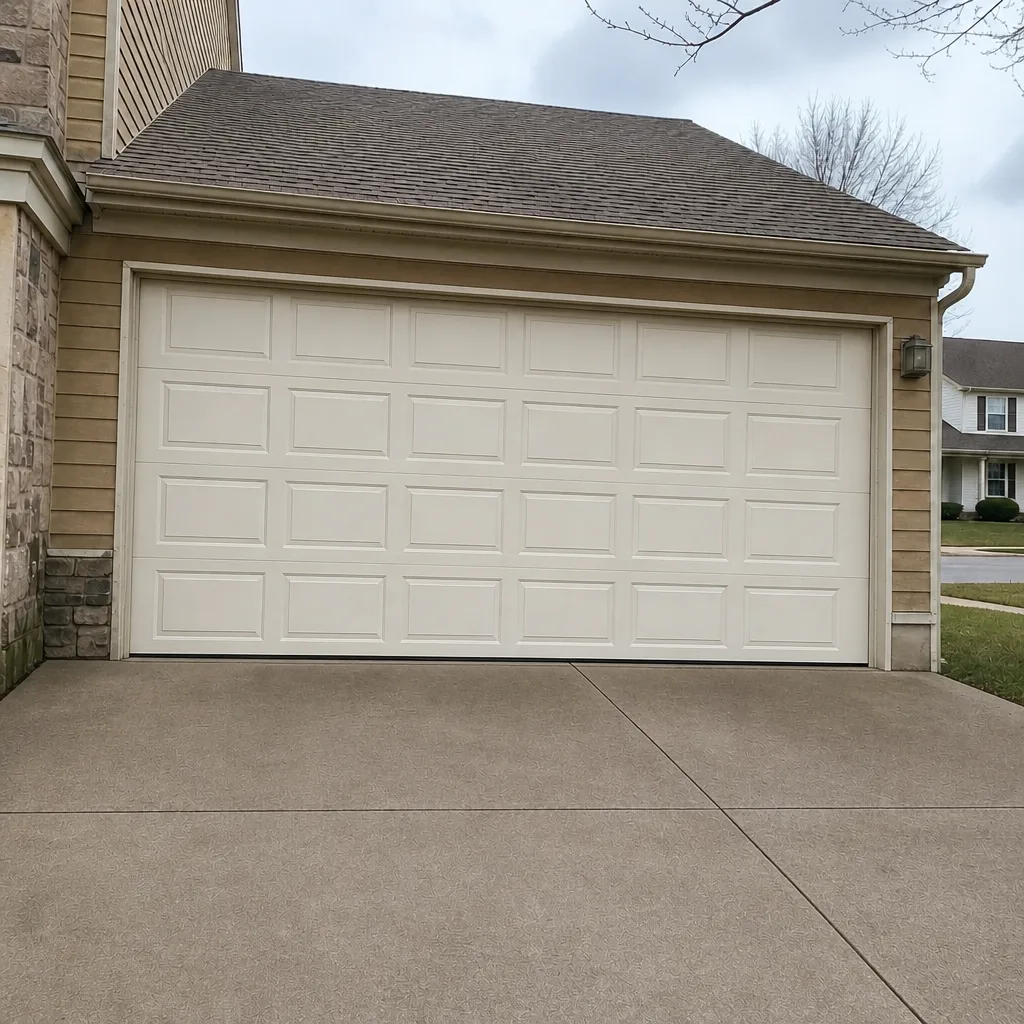 After
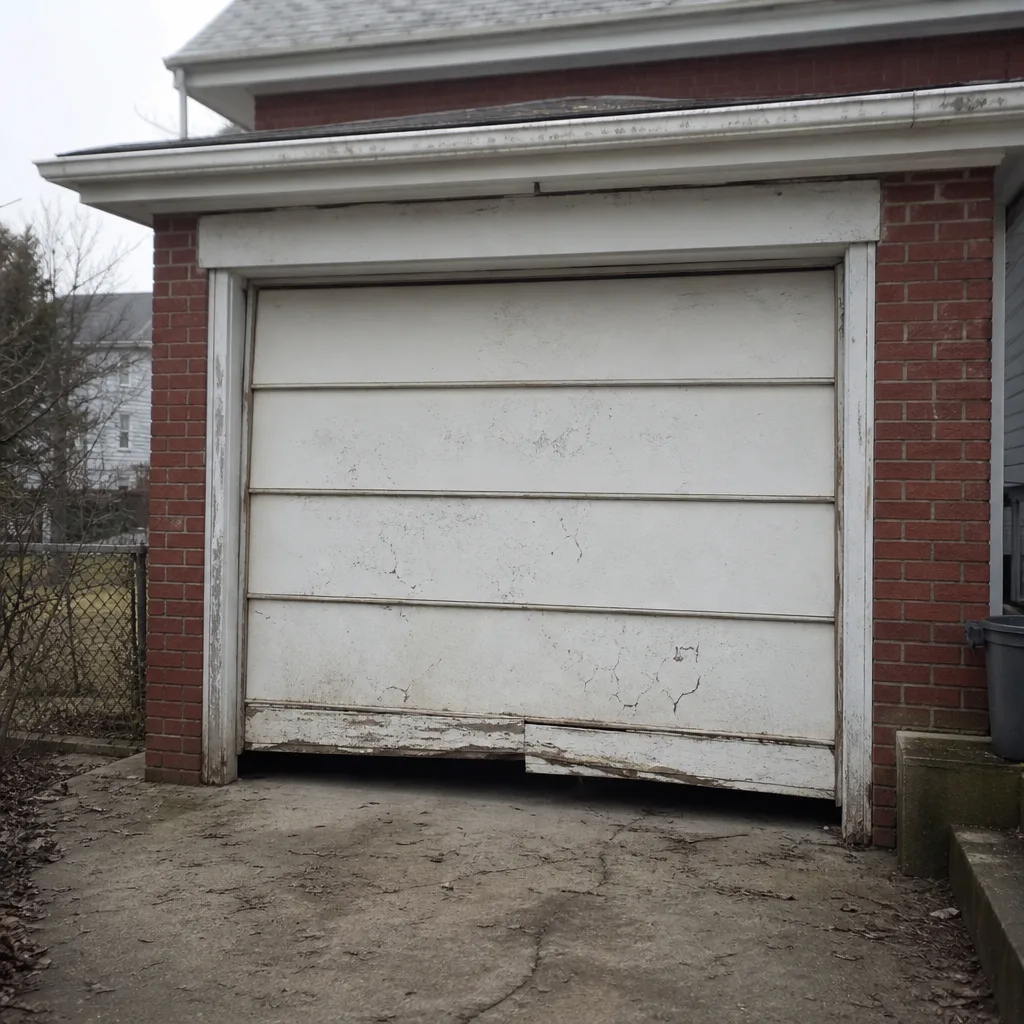 Before
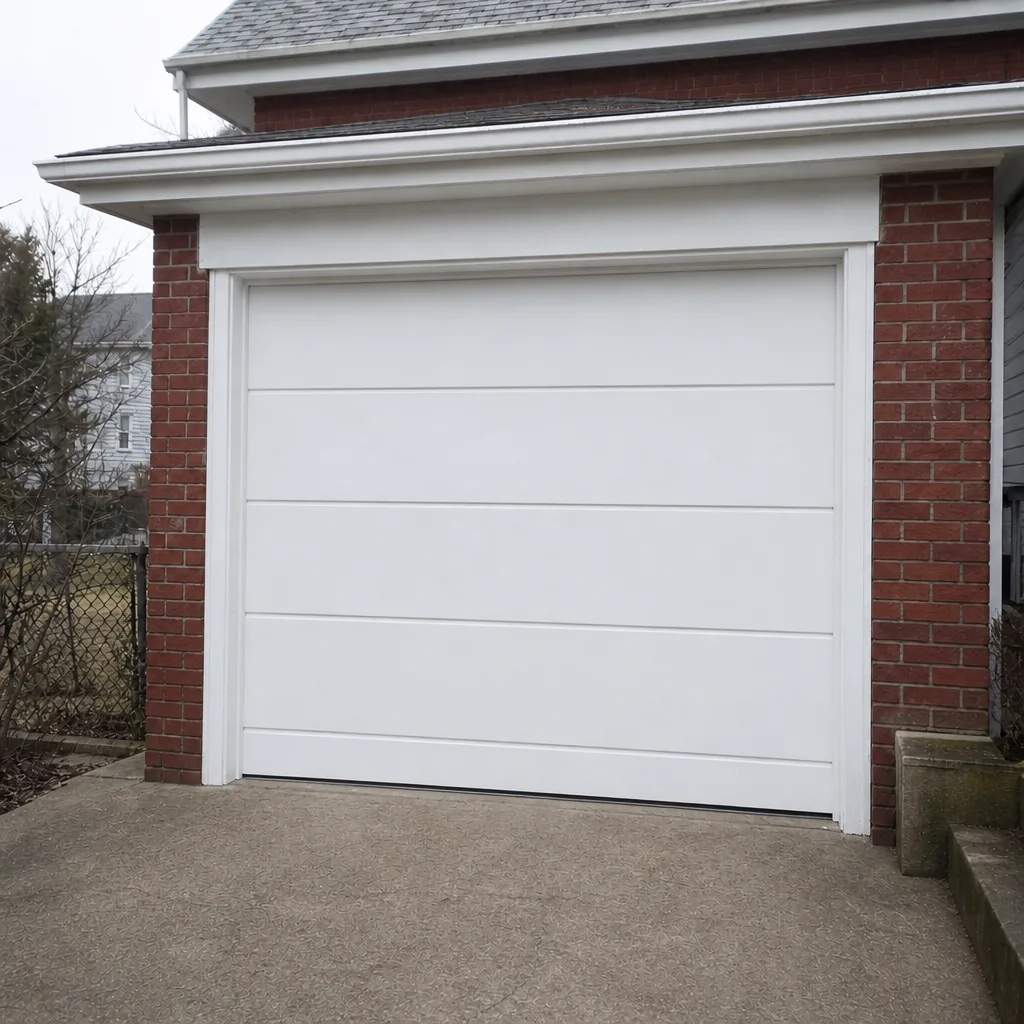 After
Common Mistakes to Avoid
- Buying a standard 16-foot door for a narrow opening. In Kensington’s rowhouse and alley garages, the opening is typically 8 to 9 feet wide, so a stock double door won’t fit. Measure first, then buy.
- Skipping the header check on old masonry. A door hung on a wall that can’t carry its weight will sag and drift out of alignment. Have the header checked before the door goes up.
- Adjusting a torsion spring by hand. This is the single most dangerous garage door mistake. Springs store the door’s full weight, and a release can cause serious injury; leave it to a trained specialist.
- Assuming a general handyman can service your opener. A dedicated garage door technician recognizes the brand and knows the specific fault pattern; a rotating generalist may replace parts by guesswork.
- Ignoring the bottom seal through freeze-thaw. A pad that heaves over winter leaves a gap that lets in cold and water. Check the seal and adjust before the first freeze.
- Letting one failed part cascade into a bigger repair. A worn roller or out-of-plumb track left alone will wear the door faster. Small repairs early save bigger ones later.
- Not getting the price in writing. A written estimate, agreed before work begins, is how you avoid surprise invoices. Ask for it on every job.
When to Call a Professional
Call a specialist when a spring has snapped, a cable has let go, or the door hangs dangerously and you can’t close it safely. Call when a door has come off its tracks, a torsion spring is making a loud bang, or an opener reverses or fails to close. Call before an installation if your opening is in old masonry, if the width and height aren’t standard, or if the header has never been checked. Call when the bottom seal or tracks have gone out of alignment after a hard winter. And call when you’re unsure whether the problem is a repair or a replacement; a specialist will tell you, in writing. Garage Door Repair Kensington offers free estimates in Kensington: call (833) 439-5277. We answer 24/7. Technicians have up to 10 years of experience, and the price is agreed before any work starts.
Frequently Asked Questions
Measure the finished opening width and height, and the headroom and backroom depth, then compare them to standard door sizes. If the width is 8 to 9 feet or the height is below standard, you’ll likely need a custom-sized or narrow door rather than a stock 16-foot panel. A free estimate will confirm the numbers.
A sturdy steel or insulated panel door with a solid locking bar and a properly placed opener is the usual fit for an alley-access garage. Alley approach clearance and headroom often limit the width and the opener type, so measure the opening and the approach before choosing.
Yes, if your opening is in an older masonry wall. The header carries the door’s weight, and a wall that wasn’t designed for modern door hardware can crack or sag without reinforcement. Have it checked before the door is ordered; permits for structural work vary, so confirm with your city’s building department.
Freeze-thaw cycles move older concrete pads, and that movement breaks contact between the door and its bottom seal. Replacing the seal and re-plumbing the tracks usually restores the seal. Check the seal and alignment before the first hard freeze.
No, a torsion or extension spring should only be handled by a trained specialist. Springs store the door’s full weight and can cause serious injury if released incorrectly. Leave spring work to a dedicated garage door technician and call for help instead.
The estimate is free, and the written estimate sets the price for the job. That price is agreed before any work starts, so you won’t get an invoice higher than the quote. Call (833) 439-5277 for an exact quote – estimates are free.
The Bottom Line
Kensington’s rowhouse streetscape, alley garages, narrow openings, and older masonry frames make garage doors a different project than the suburban standard most guides describe. Measure your rough opening before you buy, check the header before you install, match the door style to your home’s era, and treat freeze-thaw alignment as routine maintenance. Spring work is dangerous and belongs to a specialist; opener and seal issues are usually straightforward repairs. When in doubt, get a free written estimate, and remember the price is agreed before work starts. Call (833) 439-5277. We answer 24/7. Fast dispatch from 7am to 7pm, Sunday through Friday.
Written by the team at Garage Door Repair Kensington.