
Last updated November 21, 2026
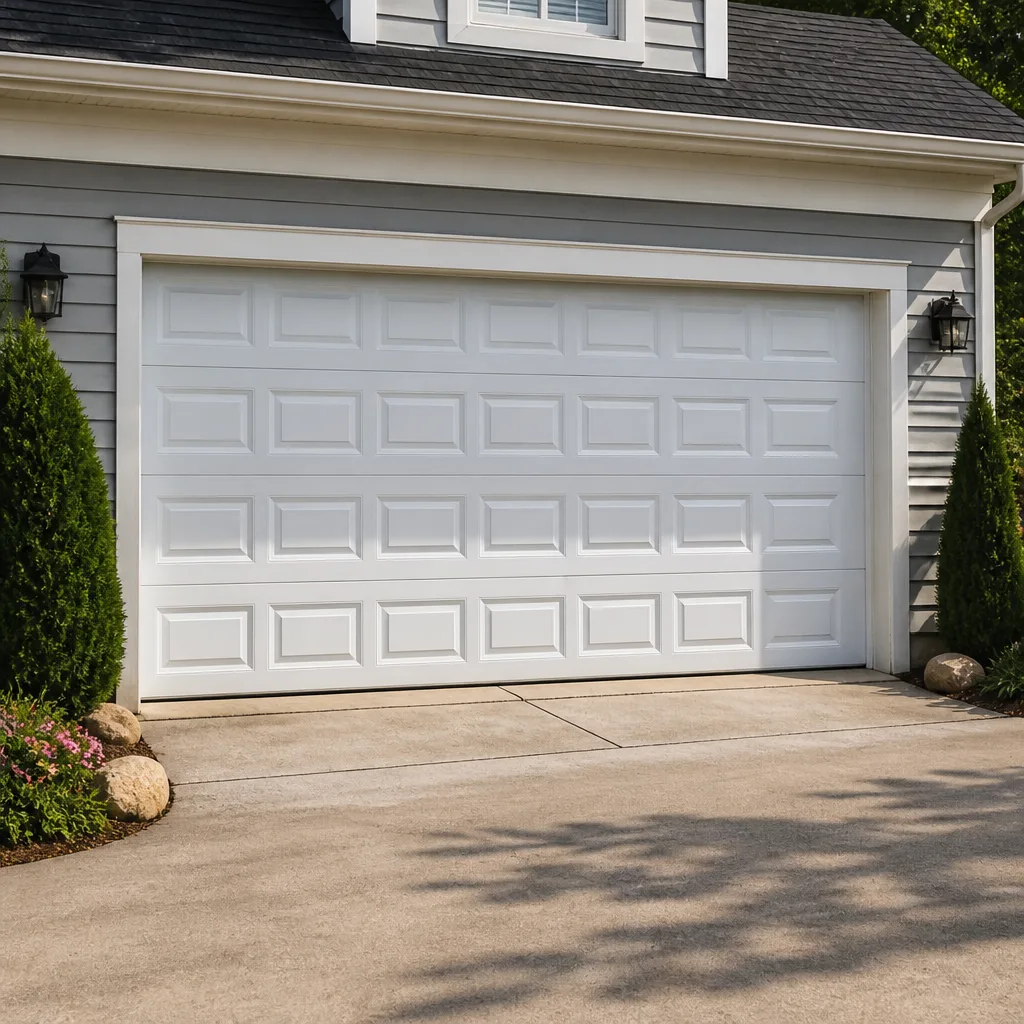 Raised-panel steel
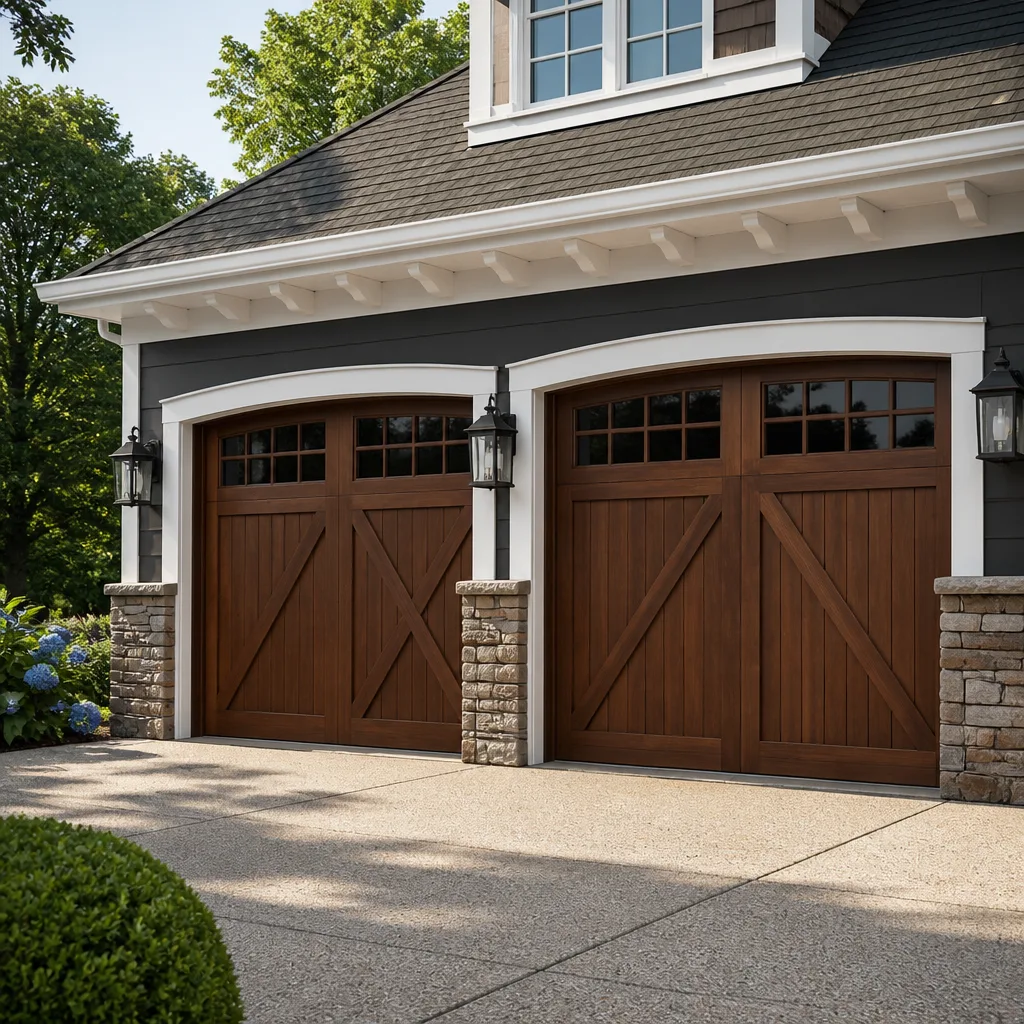 Carriage house
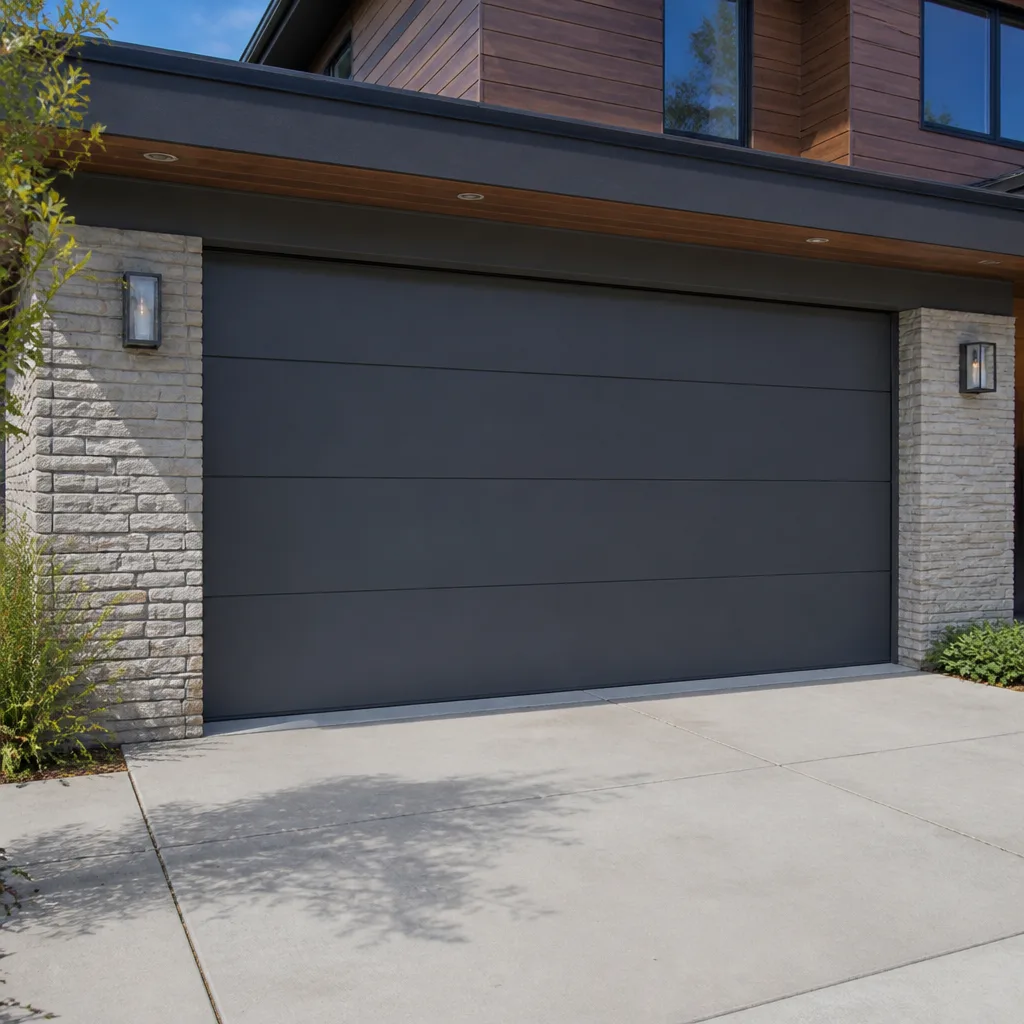 Modern flush
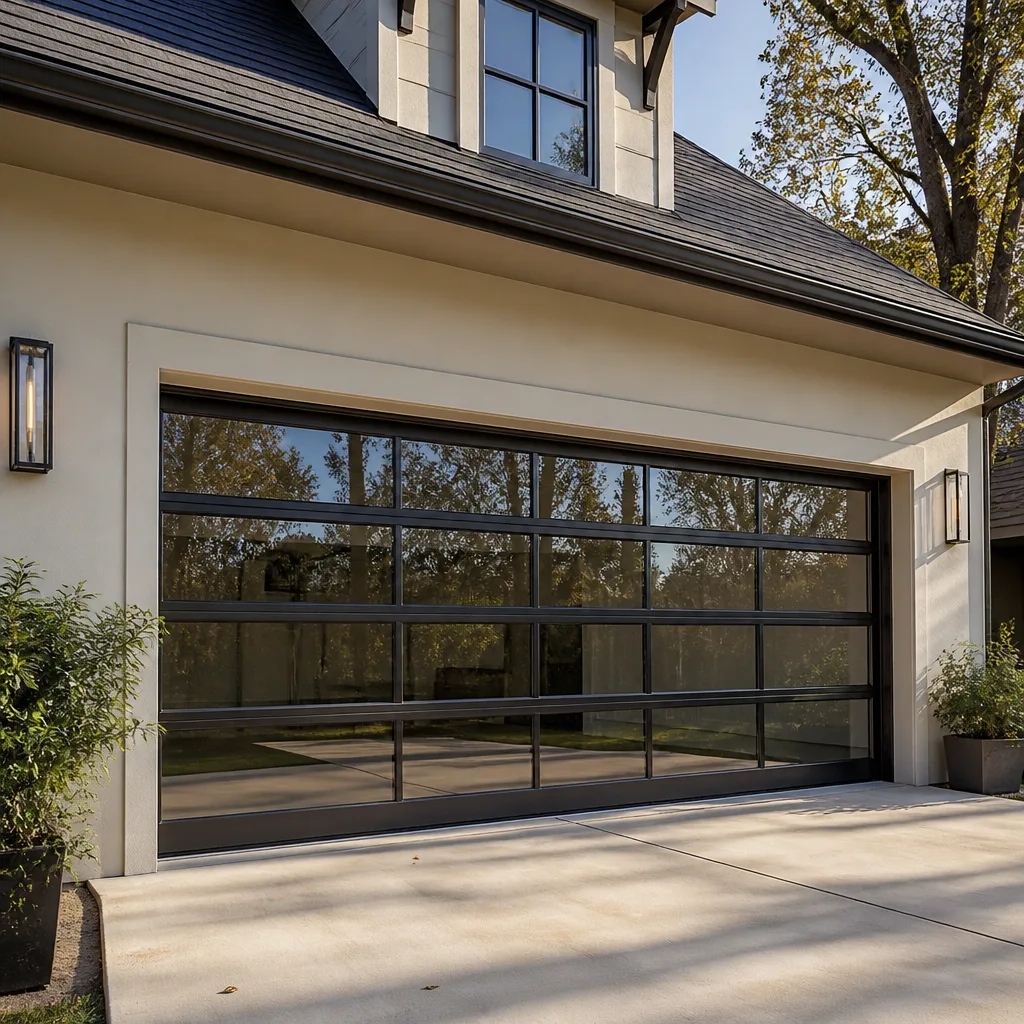 Full-view glass
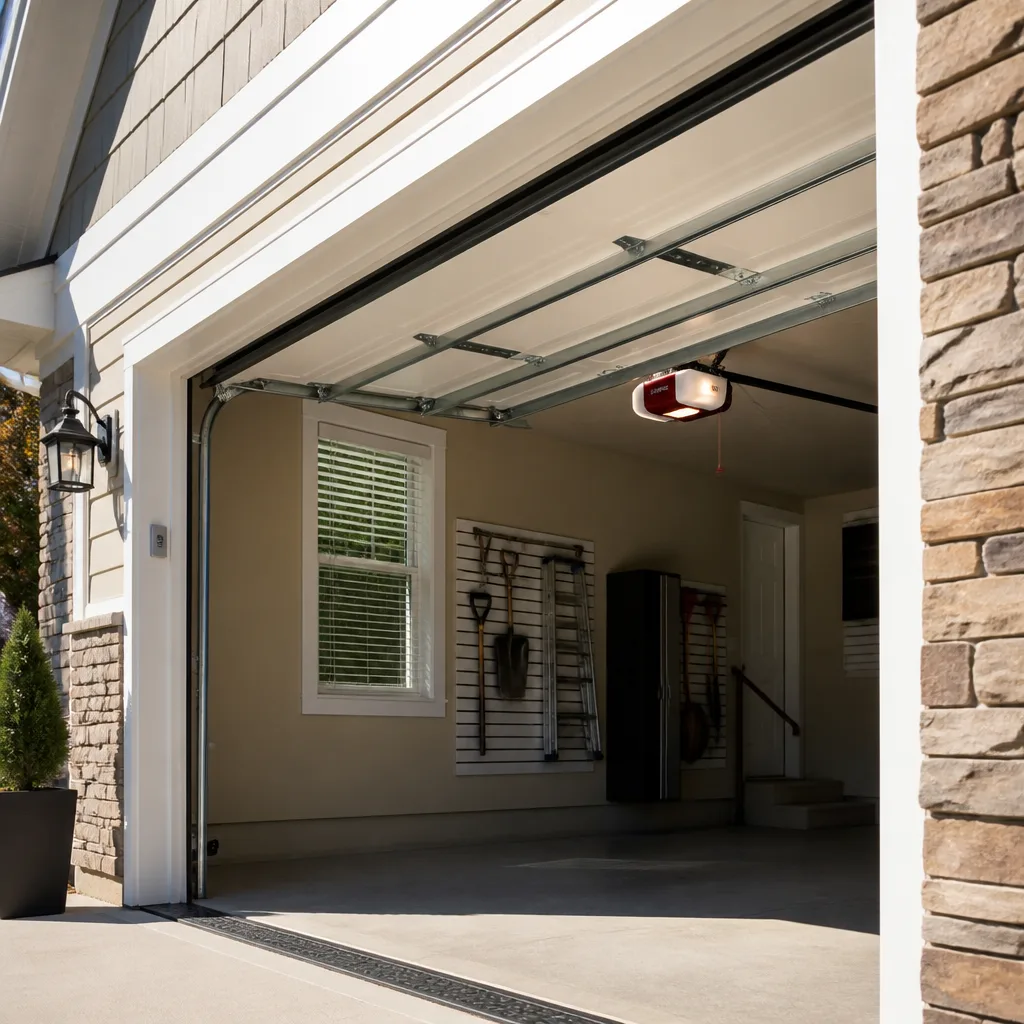 LiftMaster openers
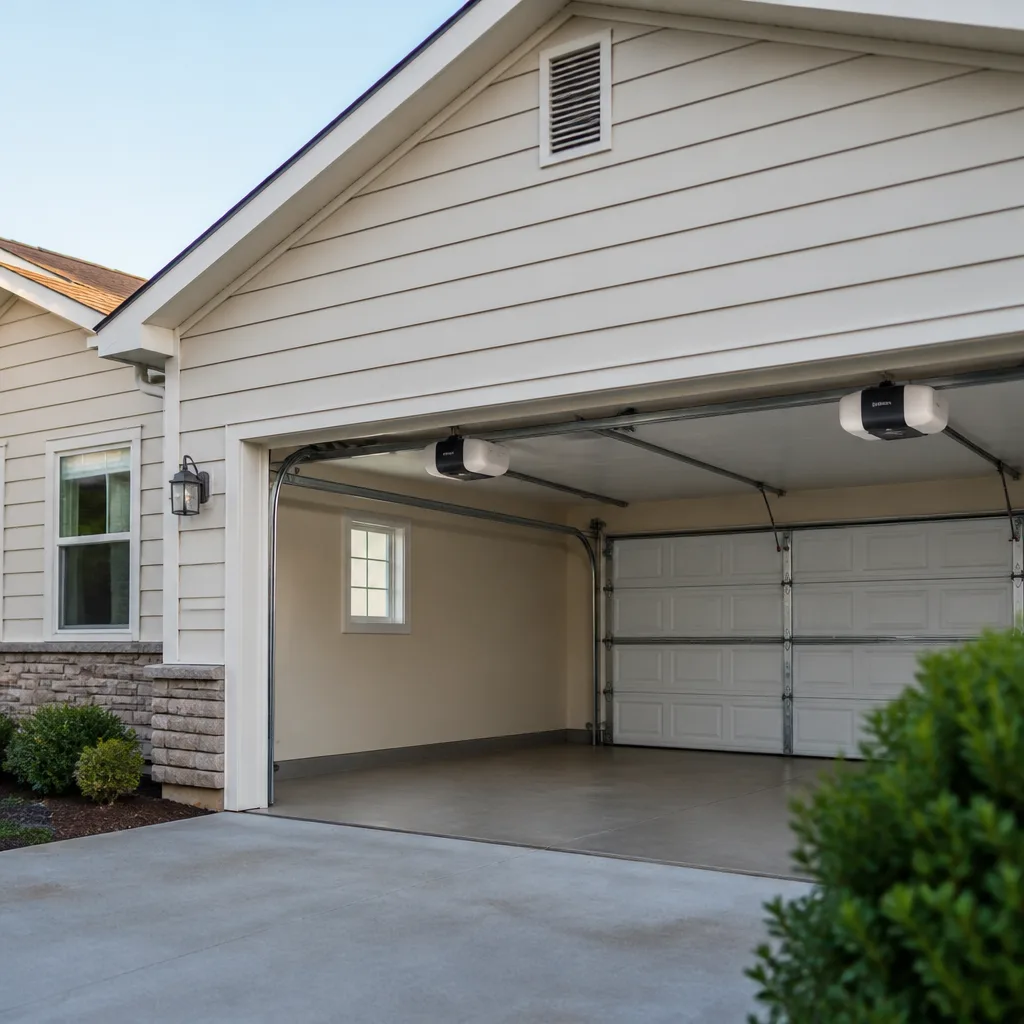 Chamberlain openers
Full 25-point door and opener safety check with every visit - springs, cables, rollers, tracks, and your LiftMaster or Chamberlain opener included
You get a price before we start. It does not change when the pro arrives.
Get your free estimateDIY vs Professional Garage Door: The Kensington Homeowner’s Decision Guide
Most homeowners assume the DIY-versus-professional question comes down to skill. It doesn’t. The real dividing line is risk: which tasks on a garage door can injure you or void your homeowner’s coverage if they go wrong, and which ones are genuinely within reach of anyone comfortable with a screwdriver. A torsion spring holds enough stored energy to break a bone, and no tutorial video shows you the moment a winding bar slips. A sensor bracket that’s drifted out of alignment needs two minutes and a screwdriver. This guide draws that line precisely for Kensington homeowners, task by task, cost by cost, so you know exactly when to grab a tool and when to grab the phone.
Quick Answer
About 70 percent of common garage door fixes are safe for a handy homeowner: sensor alignment, remote and keypad programming, track straightening, lubrication, and weather seal replacement. The other 30 percent, which includes torsion and extension springs, cables, and anything involving the door’s counterbalance system, carries real injury risk and belongs with a dedicated garage door technician. In most Kensington cases, a pro is worth it the moment the repair involves stored spring tension or a door that’s come off its tracks.
Styles & brands we work with
- Raised-panel steel
- Carriage house
- Modern flush
- Full-view glass
- LiftMaster openers
- Chamberlain openers
Table of Contents
- What is genuinely safe for a homeowner to fix?
- Why are torsion springs the one job you shouldn’t touch?
- Which opener problems are DIY and which need a technician?
- What does DIY actually cost on a spring repair?
- Where’s the break-even point between DIY and a pro?
- How does Philadelphia code treat homeowner work versus a licensed contractor?
- What makes Kensington garage doors a little different?
- When should you stop and call someone?
What is genuinely safe for a homeowner to fix?
A surprising amount of garage door maintenance is well within reach, and pretending otherwise just wastes your money. If the door moves, the spring isn’t broken, and nothing has come loose from its anchors, you’re probably looking at a five-to-fifteen-minute fix. The task list below is the honest one: none of these involve the counterbalance system, the springs, or the cables.
Safe DIY tasks on a garage door:
- Photo-eye sensor alignment. If the door reverses as it closes, the two sensors near the floor are usually out of line or dirty. Wipe the lenses and aim them at each other until the indicator light on each one is steady.
- Remote and keypad programming. A remote that’s stopped working is almost always a pairing issue, a battery, or a lockout from too many failed codes. Reprogramming follows the opener’s manual or a printed sticker inside the motor housing.
- Track straightening (minor). A light bump with a rubber mallet on a bowed vertical track is fair game. Anything more than cosmetic, or any track that has pulled its bolts from the wall, is not.
- Lubrication. A dry door shrieks. A few drops of a garage-door-specific lubricant on the hinges, rollers, and spring (for extension springs only – never reach into a torsion assembly) quiet it down.
- Weather seal and bottom rubber replacement. The rubber strip along the floor cracks and hardens with age. Pulling the old one and sliding a new one in is a screwdriver job.
- Hinge and roller bolt tightening. Vibration loosens hardware over time. Snugging bolts with a wrench is safe as long as the door is fully down and the spring is at rest.
These are the jobs where a call to us is genuinely optional. We’ll still tell you how if you’d rather do it yourself: a homeowner who understands their own door is a better customer when something bigger does go wrong.
Why are torsion springs the one job you shouldn’t touch?
A wound torsion spring stores the same energy as a heavy weight dropped from height, and releasing it by mistake is not a matter of a bruised ego. It’s the reason we tell every Kensington homeowner the same thing: springs are dangerous, and this is the one repair we never coach over the phone. The spring is what lifts a door that weighs well over a hundred pounds; the door itself is essentially dead weight without it.
Here’s what makes it worse than it looks. A torsion spring is wound with steel bars called winding bars, and the sequence depends on the spring’s wire gauge, its inside diameter, and the number of turns it needs. Get the turns wrong and the door stops mid-travel, comes down hard, or puts strain on the cables that fail later. Get the winding wrong and you’re standing under a wound spring when it releases. Extension springs, common on older doors, fail with a snap that can send the spring and its safety cable across a garage. This is why modern extension spring installs are required to include a containment cable, but plenty of Kensington garages predate that practice.
Calling a specialist for a spring isn’t false caution. It’s the same reasoning as not touching a live electrical panel: the job looks simple right up until it isn’t. Our technicians have up to 10 years of experience and do spring replacement as a routine part of the work. We stock the right winding bars and know the wire gauge and turns for your door, which is exactly the information a YouTube tutorial can’t give you.
Which opener problems are DIY and which need a technician?
Opener trouble splits cleanly down the middle: the programming and the mechanics are different animals. If your opener is a Genie, a LiftMaster, a Chamberlain, or a Craftsman, the odds are good the problem is software-side and you can fix it yourself in a few minutes. If it’s mechanical, the door is telling you something is wrong with the moving parts, and that’s where a pro earns their keep.
DIY-friendly opener issues:
- Remote stopped working. Replace the battery first, then re-pair it using the “learn” button on the opener head.
- Keypad code rejected. Most openers lock out after several wrong attempts; wait a few minutes and reset the code from the manual.
- Wi-Fi or app pairing. If the opener’s network features have dropped, re-adding it in the manufacturer’s app fixes it almost every time.
- Travel limits drifted. If the door overshoots the floor or stops a few inches short, the up/down limit screws on the opener head can be adjusted – usually a quarter-turn at a time.
- Force sensitivity setting. If the door reverses on a light obstruction, the force dial may be set too low, but adjust carefully and never make the door push hard against an object.
Issues that need a technician:
- Motor runs but the door doesn’t move – usually a stripped gear, a snapped chain, or a disengaged trolley.
- Loud grinding, squealing, or a burning smell from the motor housing – mechanical or electrical failure, not a setting.
- The opener pulls the door up crooked or the door catches and stalls – a sign of a worn spring or a bent track, and the opener is being forced to fight it.
- Any new opener installation or replacement – the rail, the header bracket, and the force calibration all need to be set by someone who does it every day.
If the opener itself is fine but the door still won’t close properly, that’s a garage door opener repair conundrum we see often in Kensington: the opener is only as good as the door it’s pushing.
What does DIY actually cost on a spring repair?
The DIY math on torsion springs looks attractive until you add up what you need to buy, rent, or risk. A pair of winding bars costs money. A matched spring set costs money. And if the first attempt is wrong, you’ve spent the budget twice and still don’t have a working door. When we run the numbers for homeowners, the gap between DIY and a professional spring job is much narrower than the internet would have you believe.
Typical cost of a DIY torsion spring job in the Kensington area:
- Replacement springs (pair): $60 – $140, depending on wire gauge and cycle rating.
- Winding bars (pair): $30 – $70. You cannot do the job properly without them.
- Tensioning tools, gloves, safety glasses: $20 – $50.
- Risk of wrong tension requiring a second set of springs: the whole spring cost again.
- Callback rate: high. Incorrectly tensioned springs are the most common cause of a door that only half-opens or that slams.
By comparison, a professional replacement of one spring in Kensington typically runs roughly $180 – $340, and a matched pair is about twice that because the two springs are almost always replaced together. Call it $360 – $680 for a pair. You’re paying for springs, labor, the right tools, and someone else holding the winding bar. Add up the DIY line items and you land close to the low end of the professional range, without the safety risk or the second trip.
If you want the full breakdown of what spring work involves before you decide, our garage door repair page walks through the standard repair call. And if you’re not sure what your door needs, a free estimate costs you nothing: the price is quoted and agreed before any work starts, so there’s no invoice surprise at the end. Call us at (833) 439-5277 for a straight answer.
Where’s the break-even point between DIY and a pro?
As a rule of thumb for Kensington homeowners: if a job needs a part you don’t own and tools you don’t have, and the professional estimate comes in under about $250, call a pro. Above that, it’s worth comparing the numbers carefully before you decide. Below the threshold, DIY rarely saves enough to justify the time, the trips to the hardware store, or the risk of doing it twice.
Here’s how that plays out on the most common tasks:
- Sensor alignment or remote pairing: break-even is at zero. DIY wins every time. It’s free and fast.
- Weather seal replacement: a new bottom rubber costs $20 – $40 and takes 20 minutes. DIY wins comfortably unless the door frame is damaged.
- Opener repair (mechanical): these typically start around $150 – $300 for parts and labor in Kensington, and the diagnosis is the hard part. Below $250, professional service usually beats DIY once you factor in buying the right gear or the trial-and-error of swapping parts.
- Spring replacement (pair): professional $360 – $680. DIY saves maybe $150 – $300 in raw materials, but the risk of a mistensioned spring, a damaged door, or worse tips the balance toward a technician every time.
- New door installation: not a DIY job at any price. Even a Clopay or Amarr kit from a big-box store requires headroom measurement, panel alignment, and spring tensioning by hand.
- Cable replacement: cables are held under the same tension as the springs. Never DIY.
That $250 threshold isn’t a hard rule; it’s a starting point. If you have the tools, the time, and the confidence, the number shifts. If you’re already stretched thin, the calculation flips toward a pro much sooner.
How does Philadelphia code treat homeowner work versus a licensed contractor?
Pennsylvania allows homeowners to do work on their own single-family home without a contractor’s license, as long as the work doesn’t require a permit and the home isn’t being sold. Philadelphia’s Department of Licenses and Inspections (L&I) issues the permits, and garage door replacement typically requires one because it touches the building envelope and load path. A like-for-like spring swap usually doesn’t. The distinction matters for insurance and resale, not just for code compliance.
Where it gets thorny: if your garage door is part of an attached structure or a rowhouse party wall, structural changes may be reviewed by L&I. That means a simple torsion spring swap is DIY-legal in most Kensington homes, but a full door replacement with new framing or header work is not, and pulling a permit yourself as a homeowner is entirely possible but time-consuming. Contractors who pull permits carry insurance that protects you if something goes wrong on the job; a homeowner working alone carries that risk himself.
For the record: the local professional we connect you with is licensed and insured as their state and Philadelphia requirements demand. That’s the protection you’re buying that no amount of YouTube confidence can replace. If you’re unsure whether your specific job needs a permit, call L&I or ask us; we can tell you in a two-minute conversation whether it’s a permit-required project.
What makes Kensington garage doors a little different?
Kensington’s housing stock is a big part of why the DIY-versus-pro question needs a local answer. Much of the neighborhood runs to rowhouses and older semi-detached homes built between the 1890s and the 1950s. Original garages on those blocks usually have single-car wood doors or older steel doors with extension springs, not the torsion systems that dominate newer construction. That matters: extension springs that have been on the door since the Eisenhower administration are well past their rated cycle count, and their failure mode is dramatic.
Philadelphia’s climate doesn’t help. Summers reach into the high 90s with humidity that swells wood doors and makes steel panels flex. Winters drop into the teens and single digits, which hardens rubber seals, stresses lubricants, and makes brittle springs more likely to snap on the first cold morning. A Kensington homeowner who does careful DIY maintenance through the fall is much less likely to be standing in front of a broken door in February.
Neighborhood quirks that affect the diagnosis:
- Narrow alleys and shared driveways in parts of Kensington and nearby Fishtown mean a full door replacement needs careful measurement before ordering. A door that arrives two inches too wide won’t fit down the alley, let alone the opening.
- Older opener brands like Genie and Craftsman are common on Kensington doors, and many are still running on their original remotes. Factory-trained compatibility across those brands matters when it’s time to service or replace them.
- Mixed rowhouse construction means some doors are set into masonry openings with limited headroom. The pros account for that on the measure; a homeowner with a tape measure usually doesn’t.
When it’s time to talk installation rather than repair, that’s a scheduled visit: we measure, you receive a written price, and then the work gets booked. No same-day promises on installs; that’s how doors get ordered wrong. For the full scope, see our garage door installation page.
When should you stop and call someone?
There’s a moment on every garage door repair when the sensible move is to put the tool down. Learning to recognize it is what separates a homeowner who saves money from one who ends up paying twice. If any of the following is true, stop and call.
- The door won’t stay up on its own. This means the spring is broken or the tension is gone. Do not lift it by hand to check – call a technician first.
- You hear a loud bang from the garage. That’s usually a spring or cable letting go. Don’t try to open the door; it may be held by the cables alone.
- The door is visibly off its tracks. A door that has jumped a roller can fall. Don’t force it. Call.
- You see a frayed or slack cable. Cables are under load. A damaged one can snap with no warning.
- The opener motor runs but the door doesn’t move. Usually a stripped gear or a disengaged trolley, but occasionally the spring is failing in a way that’s hard to see.
- You’ve already tried a DIY fix and it didn’t hold. The door is telling you the problem is deeper than the symptom.
- You’re not sure. A free phone call is cheaper than a broken door. Really.
The honest view: every homeowner who’s ever tried to save a few hundred dollars on a spring has learned the same lesson the hard way. The specialist call is not a defeat. It’s the correct answer to a task that carries real risk. Our technicians have up to 10 years of experience with this exact equipment, and they’re not going to talk you into a repair you don’t need.
Common Mistakes to Avoid
- Winding a torsion spring without the right bars. A pair of screwdrivers or a pipe wrench is not a substitute for properly fitted winding bars. This is the mistake that sends homeowners to the emergency room, and it happens because the tutorial made it look easy.
- Replacing one spring when the pair should go. Matched springs wear at the same rate. If one breaks, the other is usually close behind. Replacing just the broken one doubles the chance of a second service call within a year.
- Ignoring the door’s balance test. Disconnect the opener and lift the door halfway by hand. If it doesn’t stay there, the springs need attention. Skipping this test means running the opener against a failing spring until the motor burns out.
- Overtightening the force setting on the opener to fix a sticky door. This makes the door push harder against obstructions, which defeats the safety reversal system and can cause a door to close on a child or pet. Never do this to compensate for a bad spring or track.
- Pulling a permit yourself for a door replacement. Kensington homeowners can, technically, but the L&I process and inspection schedule usually cost more time than the permit fee saves, and taking the liability on yourself is not worth the risk.
- Lubricating a torsion spring with the wrong product. WD-40 or a general-purpose oil attracts grit and can make rollers sticky. Use garage-door-specific lubricant, and keep it off the cables.
- Assuming a big-box installer does the same job as a specialist. A general installer fits doors from one catalog; a dedicated garage door technician has seen a Genie, a Clopay, an Amarr, or a Wayne Dalton fail in a dozen different ways. That matters when the door doesn’t fit the opening on day one.
See the difference
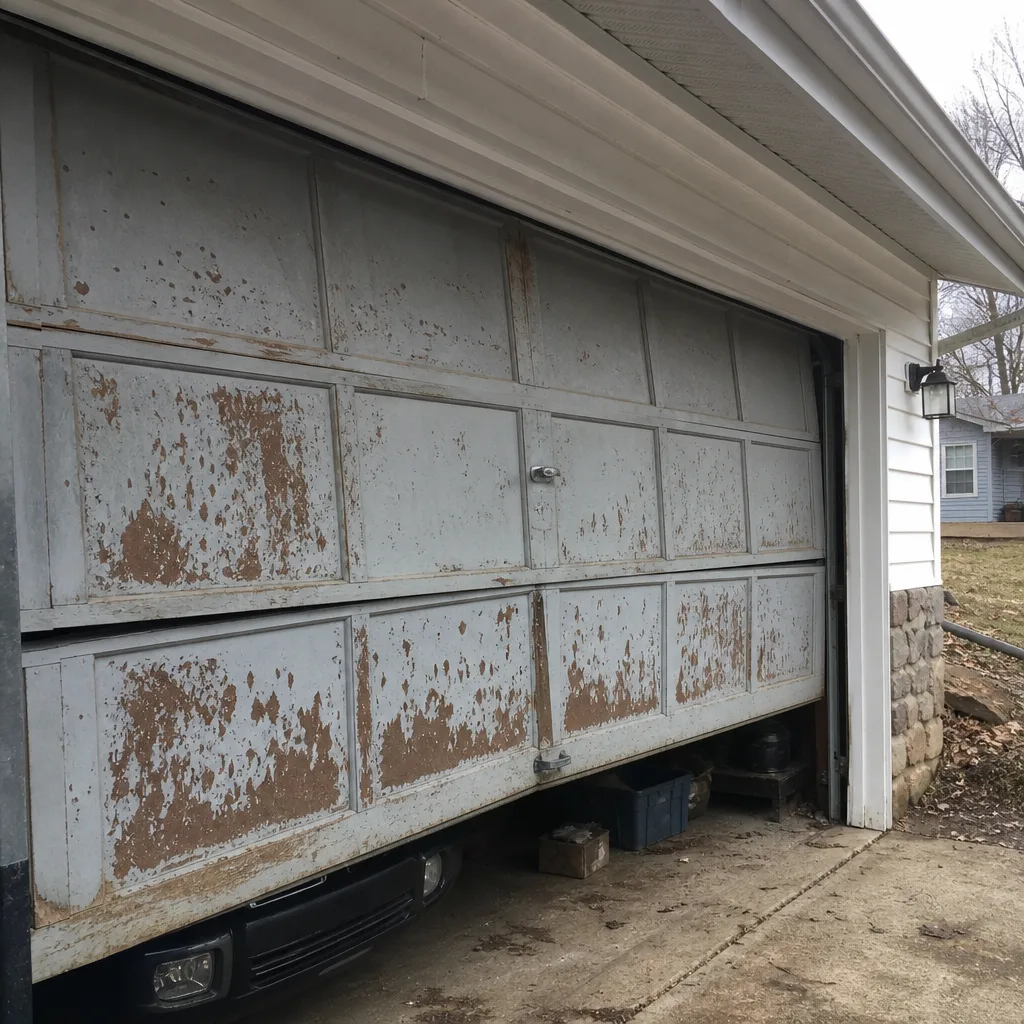 Before
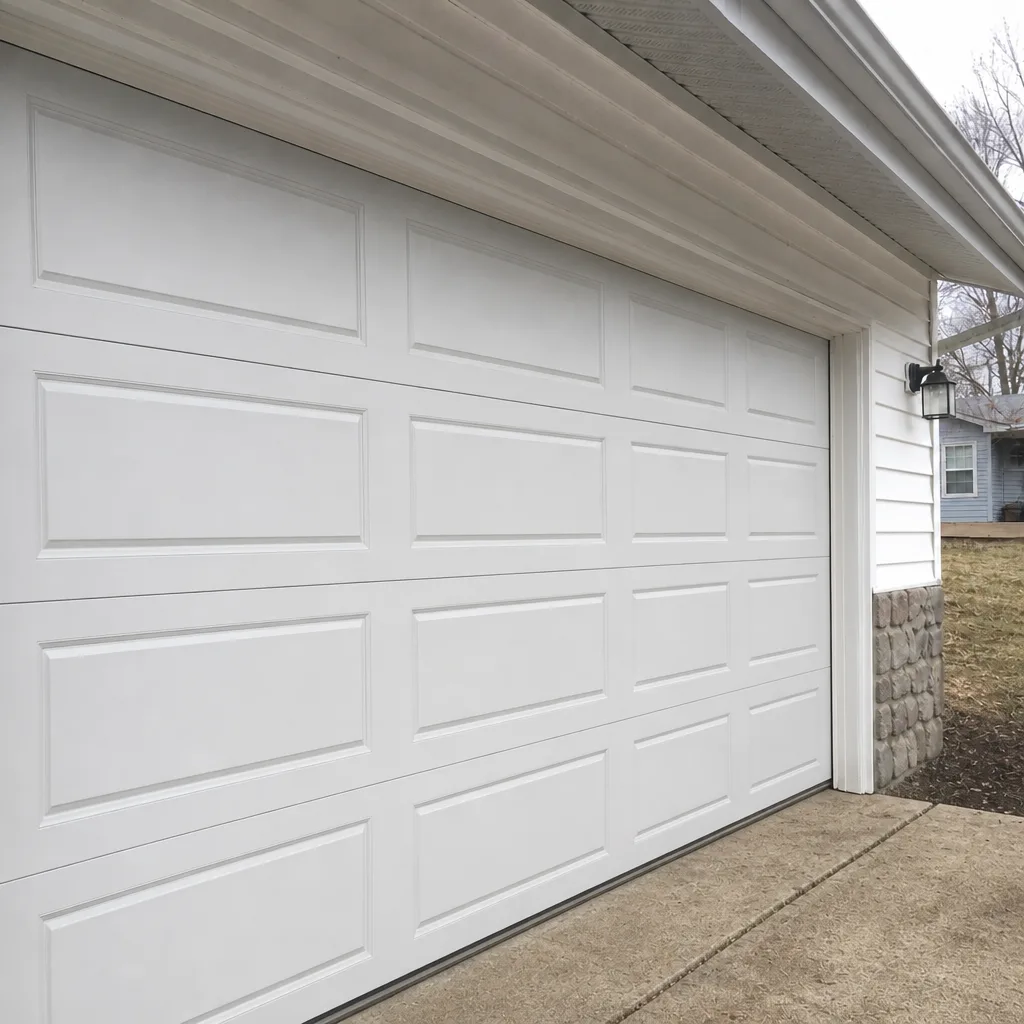 After
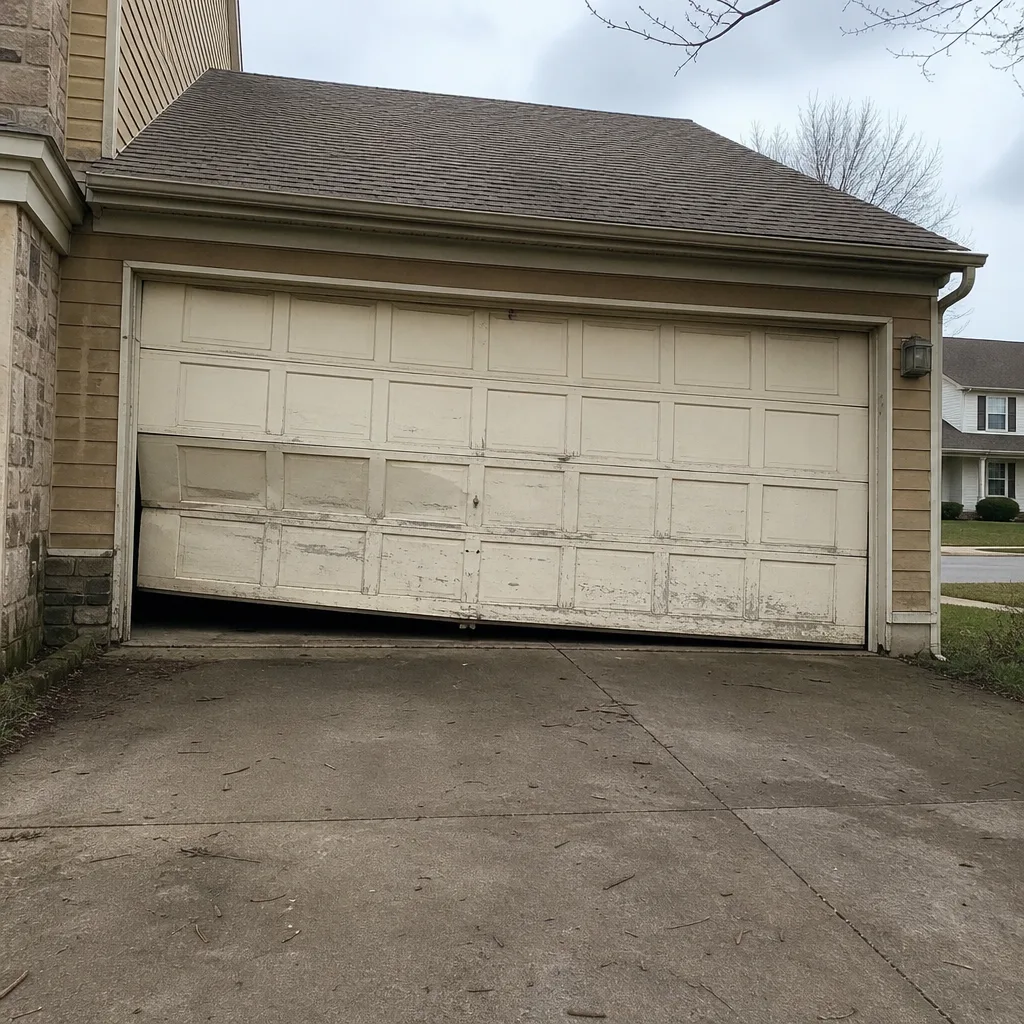 Before
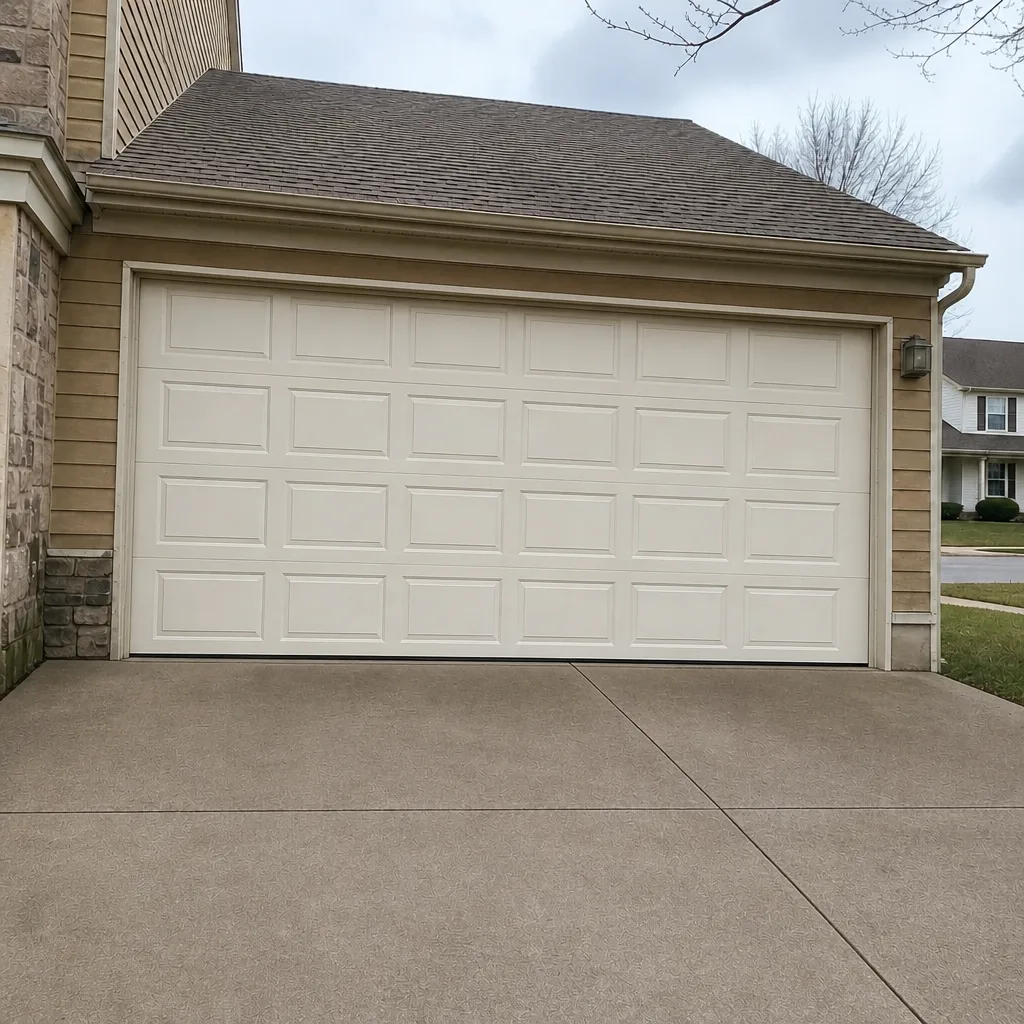 After
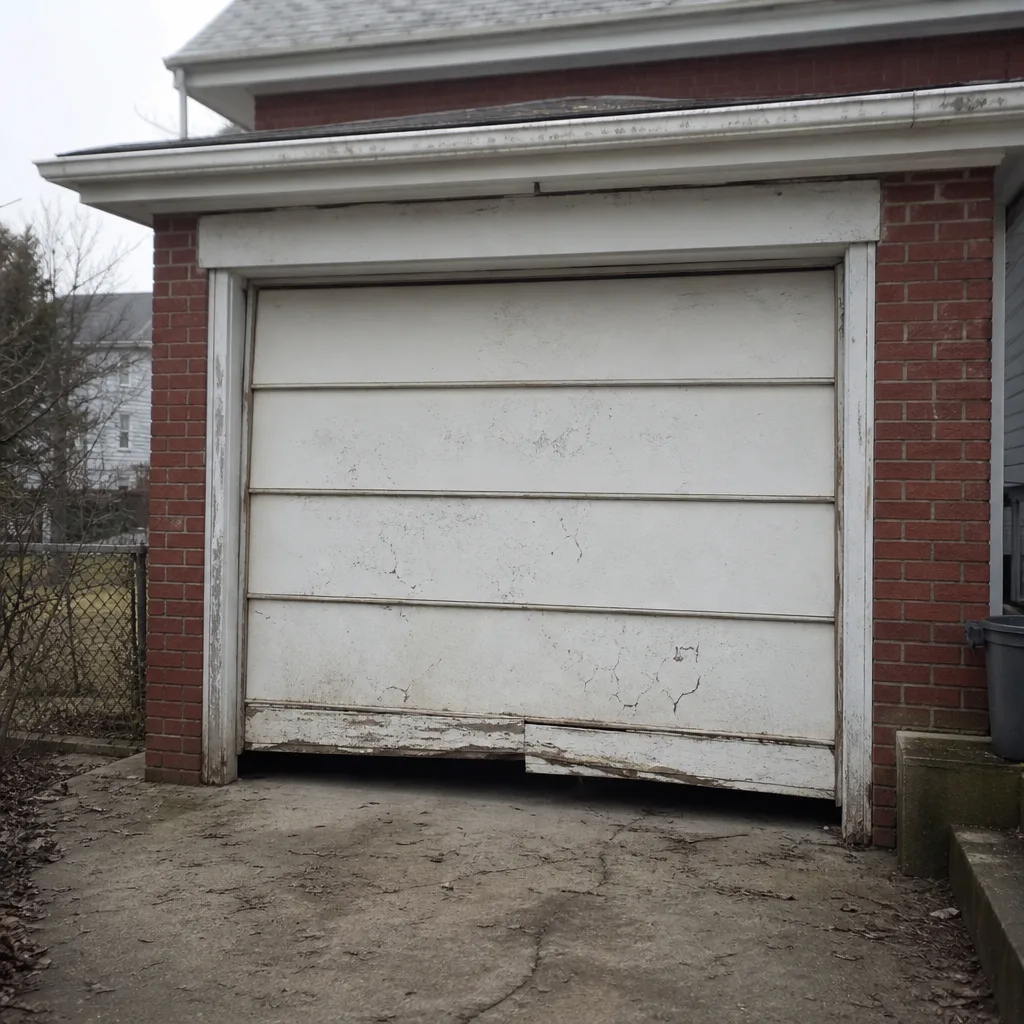 Before
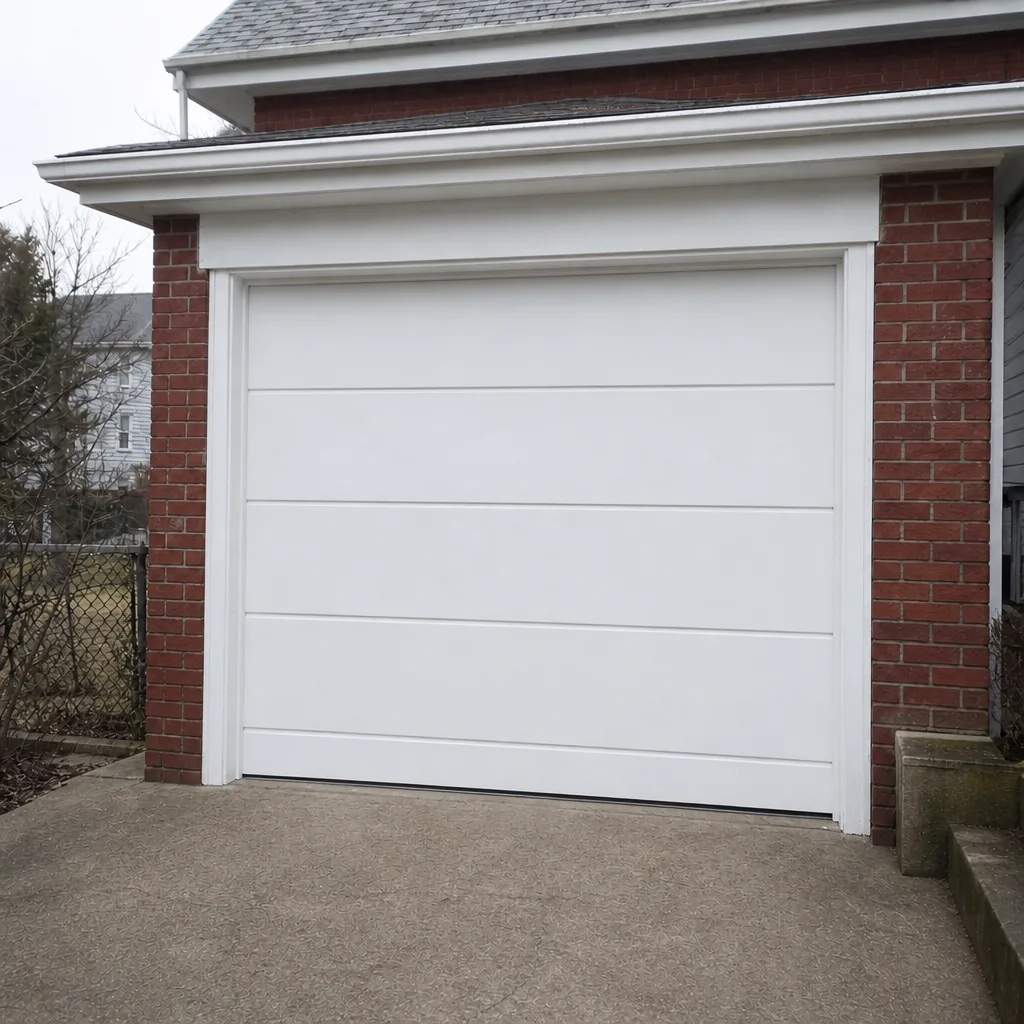 After
When to Call a Professional
Call a professional whenever the door’s counterbalance system is involved – springs, cables, drums, or a door that’s jumped its tracks. Call when the opener is mechanically broken, not just misprogrammed. Call when a door replacement needs more than a like-for-like swap, or when the repair touches the building’s structure. And call for anything that happens on a night or early morning when you’re not going to be able to solve it alone. Garage Door Repair Kensington offers free estimates in Kensington – call (833) 439-5277. Our technicians have up to 10 years of experience, and if the door won’t move, we will.
If you’re not sure whether your job is DIY or a call, that’s what the phone is for. A quick conversation is free, and we’ll give you the honest answer even when the answer is “you don’t need us.” That’s the whole point of a Garage Door Repair Kensington specialist: one system, one trade, and no reason to sell you work you don’t need.
Frequently Asked Questions
Yes, for the safe category of repairs. Sensor alignment, remote programming, keypad resets, weather seals, lubrication, and minor track straightening are all within reach of a handy homeowner. Anything involving the springs, cables, or counterbalance system is where DIY stops being a sensible choice.
A single torsion spring replacement typically runs $180 – $340 in Kensington, and a matched pair is about twice that because both springs almost always need replacing together. The written estimate sets the final price, and the estimate itself is free. Call (833) 439-5277 for an exact quote.
Often yes. Emergency garage door service is a core offering, not an upsell. We answer 24/7 and dispatch fast from 7am to 7pm, Sunday through Friday. If you call outside dispatch hours, we’ll book you into the next opening. Call (833) 439-5277.
Yes. The local professional we connect you with is licensed and insured as state and Philadelphia requirements demand. That matters on every job, but especially on spring and cable work where liability is real.
No. The price is quoted and agreed before any work starts. If we open up the door and find something different from what the estimate assumed, we come back to you before touching anything else. No silent upcharges, no surprise invoice.
Most door replacements in Philadelphia require a permit through the Department of Licenses and Inspections, but spring swaps and most repairs don’t. The safest answer is to call L&I with your specific project, or ask us before booking; we can tell you whether your job falls into the permit-required bucket.
The Bottom Line
The DIY-versus-professional question for garage doors is not a matter of whether you’re handy. It’s a matter of whether the task touches stored energy. Springs, cables, and full door replacements are the line, and once you’re past it, no amount of confidence makes up for the risk. Below the line, doing it yourself is fine, and we’ll happily tell you how. Above the line, a dedicated garage door technician in Kensington is the right call. Our technicians have up to 10 years of experience, we work on Genie, Clopay, Amarr, Wayne Dalton and more, and the estimate is free. Call (833) 439-5277 and we’ll give you a straight answer.
Written by the team at Garage Door Repair Kensington.