
Last updated November 21, 2026
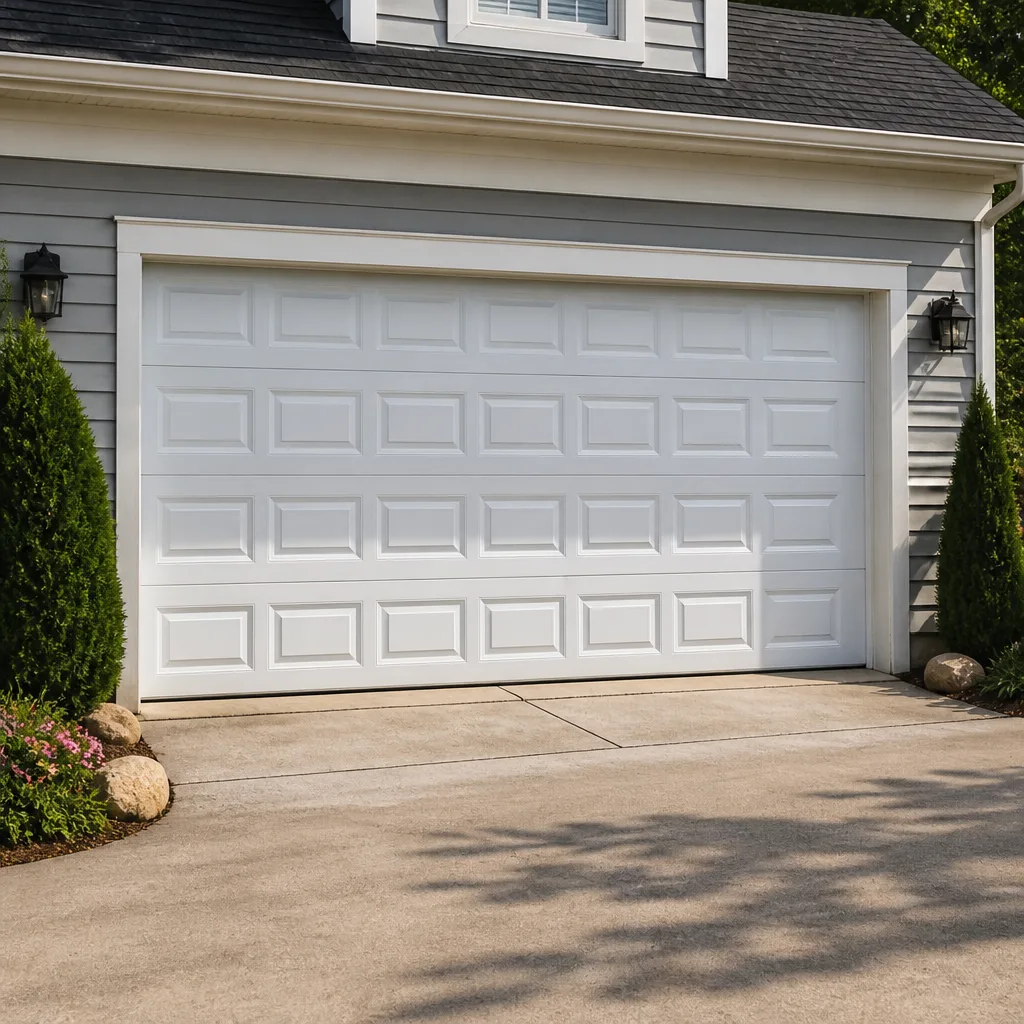 Raised-panel steel
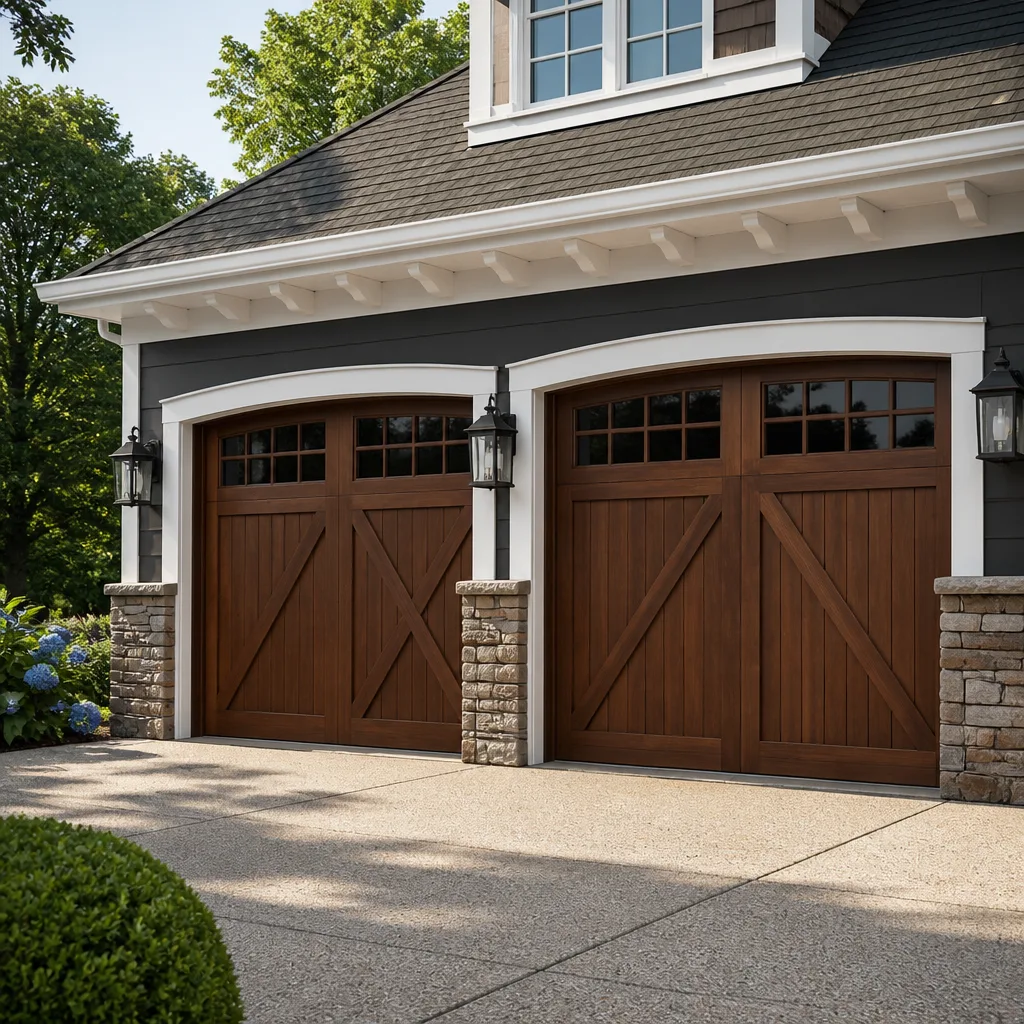 Carriage house
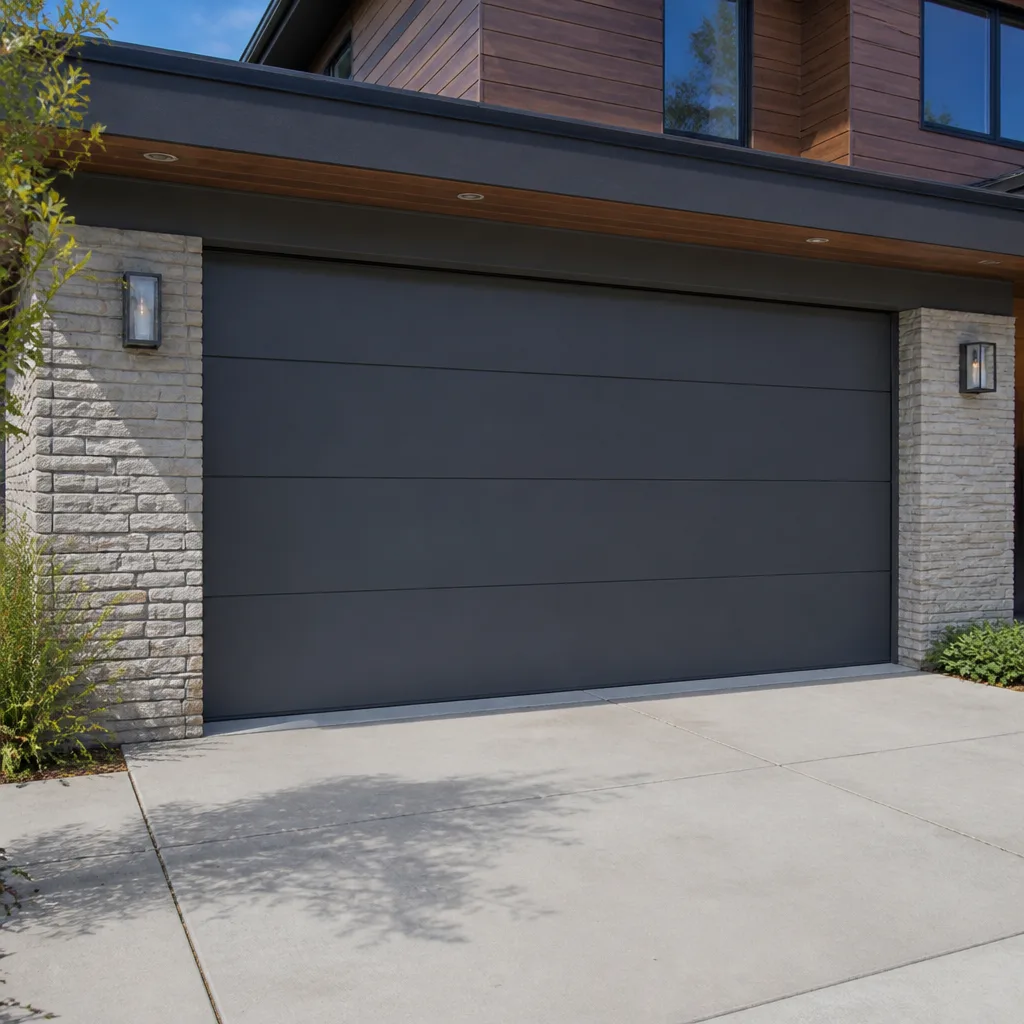 Modern flush
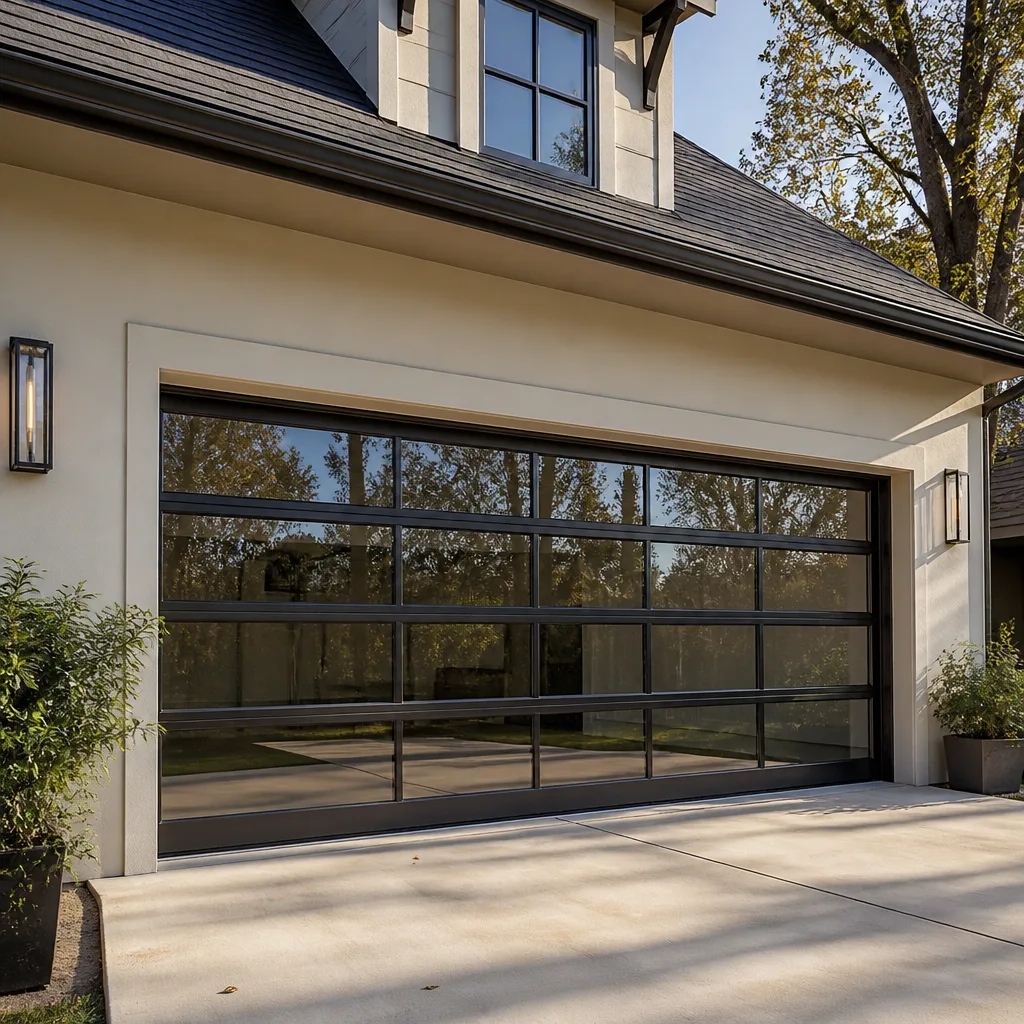 Full-view glass
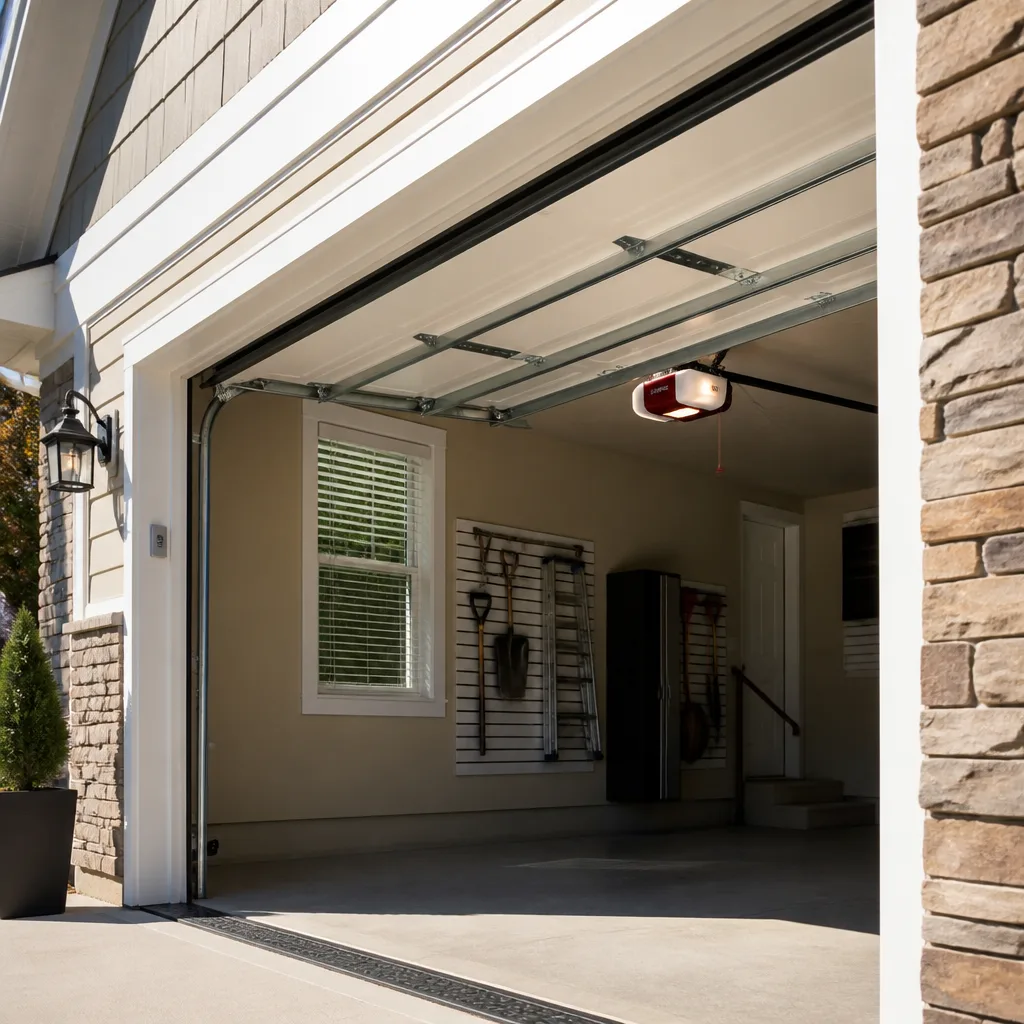 LiftMaster openers
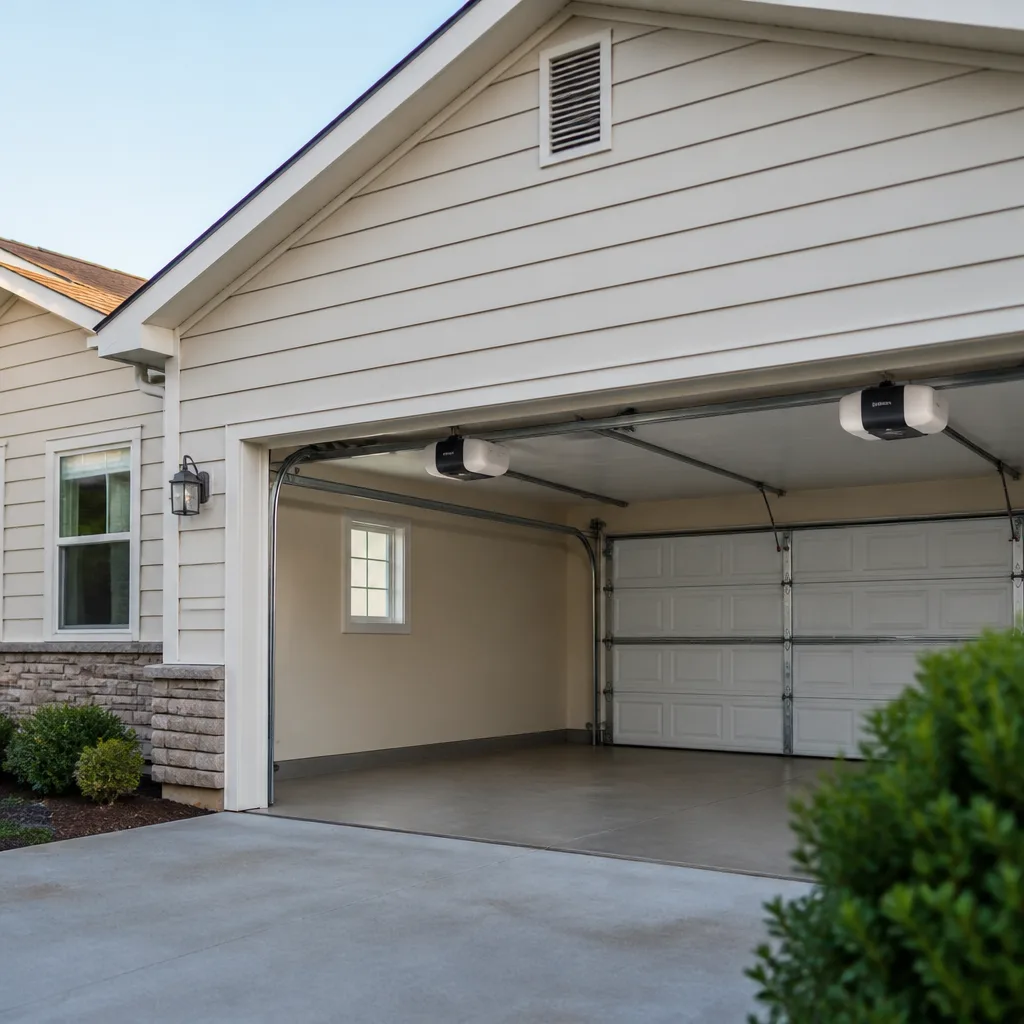 Chamberlain openers
Full 25-point door and opener safety check with every visit - springs, cables, rollers, tracks, and your LiftMaster or Chamberlain opener included
You get a price before we start. It does not change when the pro arrives.
Get your free estimateSeasonal Garage Door Care for Kensington: Year-Round Homeowner’s Guide
Here’s a number most homeowners never hear: your torsion spring is rated in cycles, not years, and a spring rated for 10,000 cycles in a stable, climate-controlled space can wear down well before that in Kensington‘s freeze-thaw winters if it never gets looked at. Metal fatigue doesn’t work on a calendar. It works on temperature swings, humidity, and how often the door moves. That’s why a single spring checklist pinned to “spring cleaning” misses most of what actually breaks garage doors here. This guide breaks the year into four distinct maintenance windows, each tied to real temperature and humidity thresholds rather than arbitrary dates, and shows you what to check, what to leave alone, and when to call someone.
Quick Answer
Seasonal garage door care in Kensington means tuning your maintenance to four different stress periods: fall prep before the first hard freeze, winter handling for frozen seals and sluggish openers, a post-winter inspection in spring when cables and springs are at their highest risk, and summer checks for humidity swelling and sun-driven track misalignment. The tasks change with the season, but the goal stays the same: catch wear before it becomes a snapped cable or a door that won’t close.
Styles & brands we work with
- Raised-panel steel
- Carriage house
- Modern flush
- Full-view glass
- LiftMaster openers
- Chamberlain openers
Table of Contents
- Why Kensington’s Climate Ages Garage Doors Differently
- Fall: The Pre-Winter Tasks That Prevent Cold-Weather Failures
- Winter: Dealing With a Frozen Door Without Damaging It
- Spring: The Highest-Risk Season for Cables and Springs
- Summer: Humidity, Heat, and South-Facing Garages
- Your One-Page Seasonal Task Calendar
- Common Mistakes to Avoid
- When to Call a Professional
Why Kensington’s Climate Ages Garage Doors Differently
Kensington sits in a four-season climate where the thermometer swings from humid summer heat to hard winter freezes, and that range is the real enemy of garage door hardware. Every material in the system expands and contracts at a different rate. Steel tracks, aluminum panels, wooden frames, rubber seals, and the steel cables and springs that carry the door’s weight all respond to temperature at their own pace. When they’re forced to move together through repeated freeze-thaw cycles, something has to give.
In our experience, the parts that suffer most are the ones under constant tension. Springs lose tension as temperatures drop. Cables stretch and contract. The lubricant on rollers, hinges, and the torsion bar thickens in cold and thins out in heat, which means the same door that glides smoothly in April can feel stiff in January and loose in July.
Humidity adds a second layer of stress. Kensington summers run humid enough to swell wood door panels and wood door frames, and that swelling pushes against the tracks. A door that fit perfectly in dry fall air can start rubbing by August. Sun exposure does its own work: a south-facing garage door absorbs heat all afternoon, and that daily expansion and contraction is why track alignment problems often show up on one side of a house and not the other.
The takeaway is simple. Your garage door doesn’t need one annual service; it needs four short check-ins, each timed to the conditions that cause the most wear. That’s the frame for everything below, and it’s the approach our technicians take on every Garage Door Repair Kensington visit.
Fall: The Pre-Winter Tasks That Prevent Cold-Weather Failures
Fall is your last clear window to prepare before the first hard freeze, and it’s where you prevent the three most common cold-weather failures in this climate: a door that won’t seal, an opener that strains, and a spring that gives out on the first cold morning. None of them are inevitable if you handle them now.
The first cold-weather failure is a bottom seal that’s cracked, flattened, or pulling away. That’s the rubber strip along the bottom edge of the door. When it’s compromised, cold air, snowmelt, and pests get in, and the seal hardens further in freezing temperatures until it tears. Run your hand along it and look for cracks or a seal that stays flat when the door lifts. If it’s worn, replace it before winter.
The second failure is an opener that gets sluggish. Cold thickens the lubricant on the moving parts and increases resistance, so an opener that’s already near its limit struggles. The third is a spring failure triggered by the first deep freeze, when cold metal under tension becomes more brittle.
Here’s the fall checklist, in order:
- Inspect the bottom seal for cracks, hardening, or gaps, and replace it if it fails a visual check.
- Lubricate moving parts – rollers, hinges, and the torsion bar bearings – with a garage-door lubricant, not a general-purpose oil.
- Test the balance. Disconnect the opener and lift the door halfway by hand. A balanced door stays in place; one that crashes down or drifts up needs professional adjustment.
- Check the tracks for dents, debris, and loose fasteners, and clear leaves and grit that gather in the fall.
- Test the auto-reverse safety feature with a small object in the door’s path to confirm it retracts.
- Look at the springs and cables for rust, gaps in the coils, or fraying. Do not touch or adjust them yourself – more on that below.
If you have a wood door, this is also the time to check for peeling finish before winter moisture gets into the wood. That’s a repair, not a cosmetic preference. If your door is a Clopay, Amarr, Wayne Dalton, or Raynor model, our technicians carry parts and knowledge for it, so fall is a good season to book a full inspection.
Winter: Dealing With a Frozen Door Without Damaging It
A frozen garage door is one of the most common winter calls we get in Kensington, and it’s also where homeowners do the most damage. The instinct is to hit the opener again, or to yank the door by hand. Both can strip the opener’s drive gear or tear the bottom seal loose. The right response is slower and gentler.
First, understand why it freezes. Snowmelt runs under the door, refreezes overnight, and bonds the bottom seal to the floor. The weatherstripping can also stick to the frame. The door itself usually isn’t broken; it’s glued in place.
Here’s how to deal with it safely:
- Stop pressing the opener. Repeated attempts strain the motor and the gear assembly.
- Look for the ice bond. Check where the seal meets the floor and where the door meets the frame.
- Melt, don’t pry. Use warm – not boiling – water or a gentle heat source around the base to free the seal. Never pour hot water directly on cold glass or use a flame or heat gun near the door.
- Free the door by hand once the ice is loose, and only then re-engage the opener.
- Clear the threshold after every storm so meltwater drains away instead of refreezing.
If the door is free of ice and still won’t move, the problem isn’t the weather; it’s a mechanical failure, and that’s when you stop and call. Winter is also the season to watch for a straining opener. Cold makes every part stiffer, so a motor that sounds labored in January needs attention, not another month of pushing through it.
One hard no: never prop the door partially open to “let it warm up” or to ease the strain. That leaves the spring under partial tension in an unstable position, and it invites a seal to freeze mid-air. A properly balanced door either opens fully or stays closed.
Spring: The Highest-Risk Season for Cables and Springs
Spring is when the damage from winter shows up, and it’s the highest-risk season in Kensington for cable and spring failures. Here’s why: winter forces metal through dozens of freeze-thaw cycles under constant tension. Cables that were sound in November can be frayed by March. Springs that lost tension in the cold often fail the first time they’re cycled in warmer air. The door “worked all winter” right up until it didn’t.
Before you resume normal use in spring, inspect these:
- Cables: look for fraying, kinks, or a cable that’s jumped its drum. A frayed cable is a serious safety issue.
- Springs: look for a visible gap of an inch or more in the coil – that’s a sign of a broken spring.
- Bottom seal: check for damage from the winter’s ice and snow.
- Tracks: look for gaps between the rollers and the track that winter contraction may have widened.
- Opener responsiveness: listen for strain or grinding on the first few cycles after a cold winter.
Here’s where we’re blunt with homeowners: do not inspect, adjust, or replace your own springs or cables. Torsion springs and the cables that run alongside them are under huge tension, and a failure while you’re working on them can cause serious injury. This is the one part of the guide where the answer is always “leave it to a specialist.” That’s exactly why spring repairs are a core service of ours, not a side job.
If you notice any warning sign above, a spring inspection in spring is the smartest money you’ll spend all year. The local pro will tell you whether it’s a replacement or a repair, and the written estimate sets the price before any work starts.
Summer: Humidity, Heat, and South-Facing Garages
Summer stress looks gentler than winter, but it quietly causes two of the most common long-term problems: humid air swelling wood components and sun exposure pushing tracks out of alignment. Both build up slowly, which is why homeowners often miss them until the door starts to rub, stick, or come down crooked.
Humidity first. Wood door panels, wood frames, and any wood trim around the opening absorb moisture in Kensington’s humid summers and swell. That swelling pushes the door against the tracks and the seal, and it can cause a door that fit perfectly in April to rub in August. If you have a wood door, inspect it on humid days for swelling, bubbling paint, or panels that stick when the door moves. A properly sealed, painted wood door handles humidity far better than a bare one.
Heat second. A south-facing garage door takes direct afternoon sun for hours, and that daily heat expands the metal panels, the tracks, and the hardware. When the sun moves off and things cool, the parts contract again. Over a summer this repeated cycle can pull tracks slightly out of alignment or loosen fasteners. That’s why a south-facing door often needs a track check in late summer while a sheltered one doesn’t.
Your summer checklist:
- Look for gaps between the rollers and the tracks on sun-exposed doors.
- Check wood panels and frames for swelling, sticking, or paint failure.
- Re-lubricate moving parts. Heat thins lubricant, so summer is a good second lubrication point.
- Test the balance again to catch heat-driven track misalignment early.
- Confirm the auto-reverse still works, since heat-affected tracks can change the door’s travel.
If you suspect a track problem, resist the urge to force the door through it. A misaligned track causes uneven wear that adds up fast. Our full range of garage door repair covers track realignment, and the estimate is free.
Your One-Page Seasonal Task Calendar
The key word is threshold, not month. Here’s how we’d tie each task to Kensington’s actual temperature and humidity windows. Use these triggers rather than arbitrary dates, since our first freeze and our humid stretch both wander from year to year.
| Season | Trigger to Act | Key Tasks |
|---|---|---|
| Fall | When overnight lows start dipping toward freezing | Replace worn bottom seal, lubricate parts, test balance, inspect springs and cables, test auto-reverse |
| Winter | First freeze and every snowmelt | Clear threshold, melt frozen seals gently, watch for a straining opener, never prop the door |
| Spring | After the last hard freeze | Inspect cables and springs for winter damage, check seal and tracks, test opener, book a professional spring check |
| Summer | First stretch of humid, hot weather | Check wood for swelling, inspect track alignment on sun-exposed doors, re-lubricate, re-test balance |
If you keep only one habit from this calendar, make it checking balance at the start of fall and again at the end of summer. Balance is the single best early warning that something in the system is wearing unevenly, and it takes a minute to test.
What Each Season Tells You About Your Door
The seasonal tasks above matter most when you know what they’re telling you. A garage door is one connected system: springs, cables, tracks, rollers, hinges, seals, and opener all share the load. When one wears, the others work harder. That’s why a slight rub in summer can trace back to a cable that stretched over winter, and why a sticky door in January might be the first symptom of a spring that lost tension in the fall.
Here’s a helpful way to read the signals season by season:
- A door that won’t seal in fall usually means a worn bottom seal or a balance issue, not a door problem.
- A door that won’t move in winter is nearly always ice, unless it moves freely by hand and still fails on the opener.
- A door that grinds in spring often points to a cable or a worn roller, and it’s worth a professional look before summer heat makes it worse.
- A door that sticks in summer frequently comes down to humidity-swollen wood or a heat-driven track misalignment.
We work on your brand whichever door you have. Whether it’s a Craftsman opener, a Wayne Dalton steel door, or an Amarr or Raynor system, our technicians recognize the model and the parts on arrival, so the seasonal check is faster and the diagnosis is more accurate. Our technicians have up to 10 years of experience and service the eight major brands our customers actually own.
Common Mistakes to Avoid
- Treating maintenance as a once-a-year job. Kensington’s four-season climate needs four check-ins, not one. A single spring checklist misses the winter damage that drives most spring repairs.
- Prying a frozen door open. That’s how bottom seals tear and opener gears strip. Melt the ice, then free the door by hand.
- Forcing a sluggish opener in winter. A motor that strains in the cold is telling you the lubricant is thick or the spring is weak. Pushing it through makes both worse.
- Adjusting or replacing your own springs or cables. These are under enormous tension, and a failure can cause serious injury. Leave them to a specialist.
- Ignoring a summer track rub. Heat-driven misalignment on a south-facing door adds uneven wear fast. Small corrections now prevent bigger repairs.
- Propping the door partially open to ease winter strain. That leaves the spring under unstable tension. The door should be fully open or fully closed.
- Using general-purpose oil instead of door lubricant. The wrong lubricant attracts grit in summer and hardens in winter. Use the right product on rollers, hinges, and the torsion bar.
When to Call a Professional
Some seasonal tasks are homeowner work: checking seals, lubricating, testing balance, clearing the threshold. Some aren’t. Call a professional when you see a visible gap in a spring coil, a frayed or kinked cable, a door that won’t balance or won’t move after you’ve freed it from ice, a track that’s bent or out of alignment, an opener that strains or grinds, or anything that feels unsafe. Those aren’t “watch it” problems; they’re signs the system needs a trained eye before a small failure becomes an injury or a bigger bill.
Garage Door Repair Kensington handles the full lifecycle of the door – repair, garage door opener repair, spring repair, and garage door installation – with garage door technicians, not a rotating generalist. Free estimates in Kensington. Call (833) 439-5277. We answer 24/7, with fast dispatch from 7am to 7pm, Sunday through Friday.
See the difference
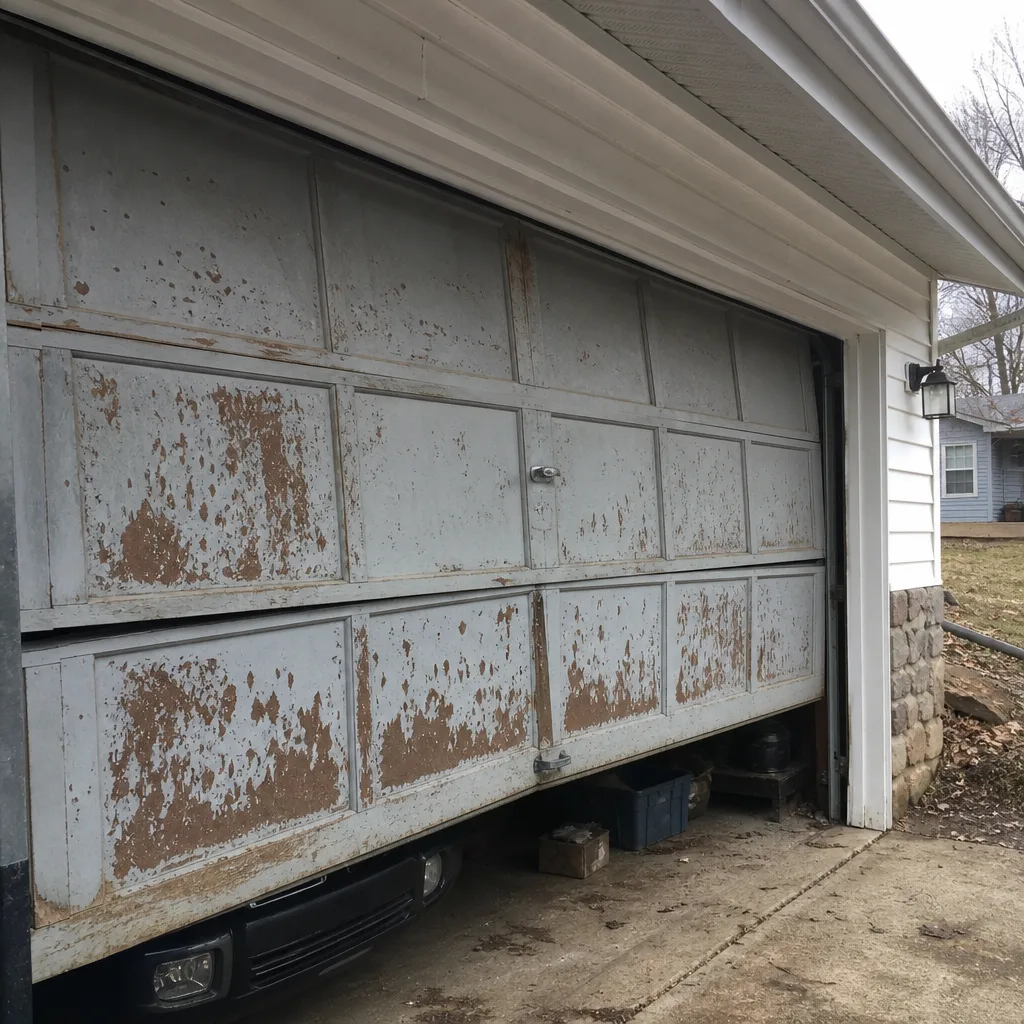 Before
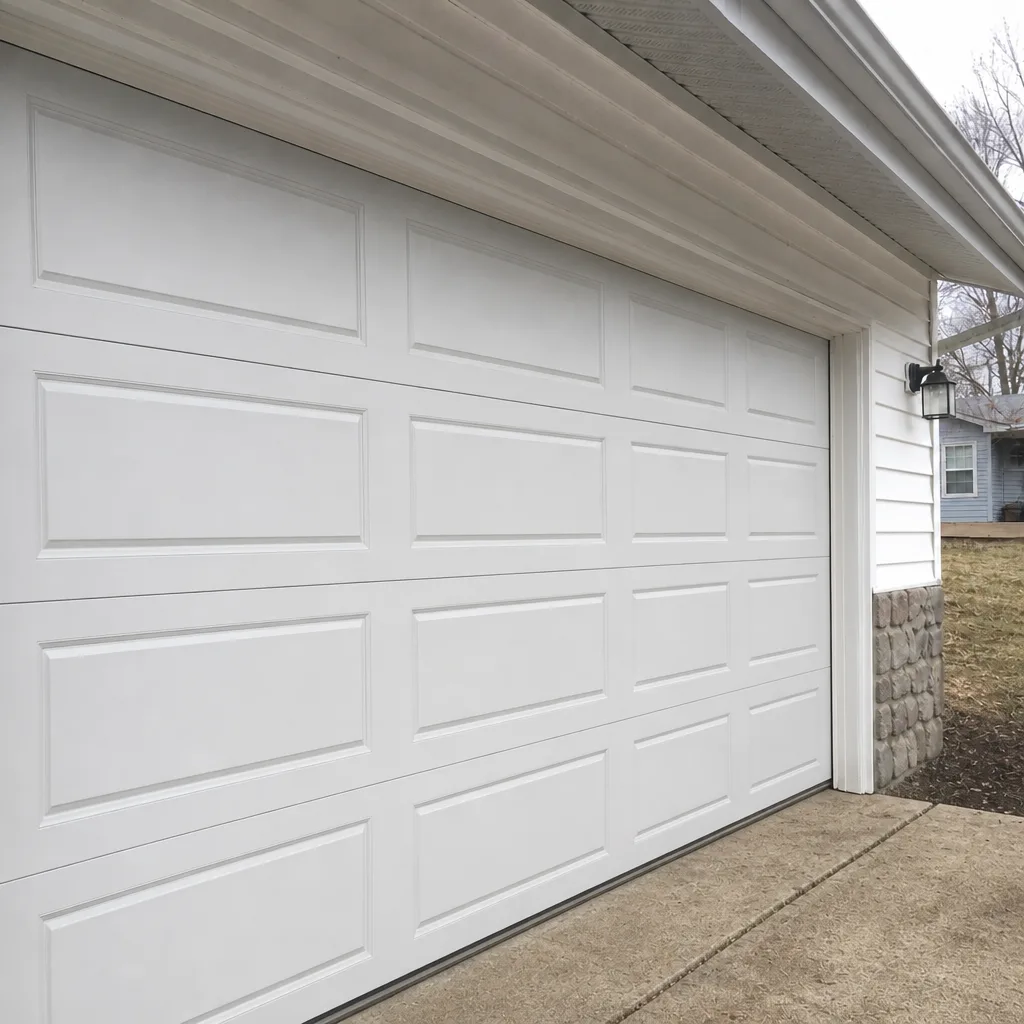 After
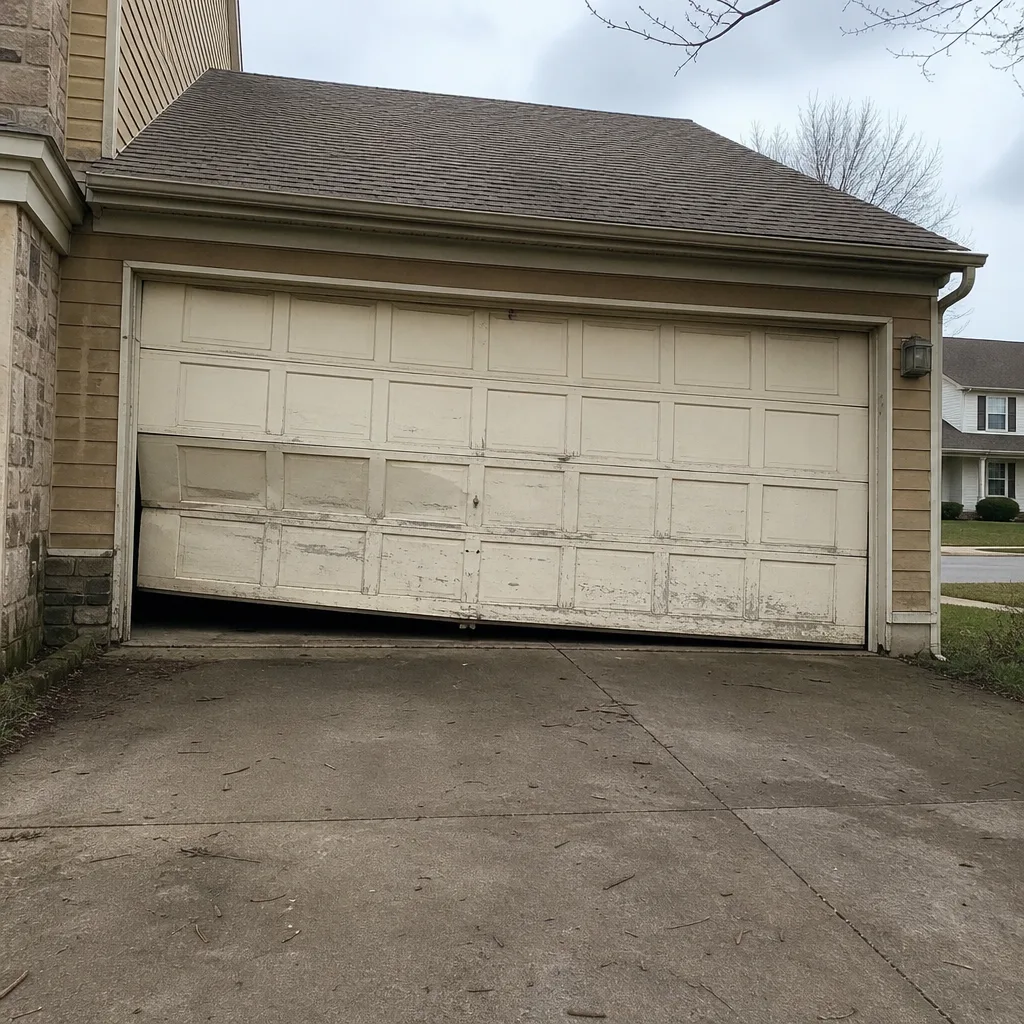 Before
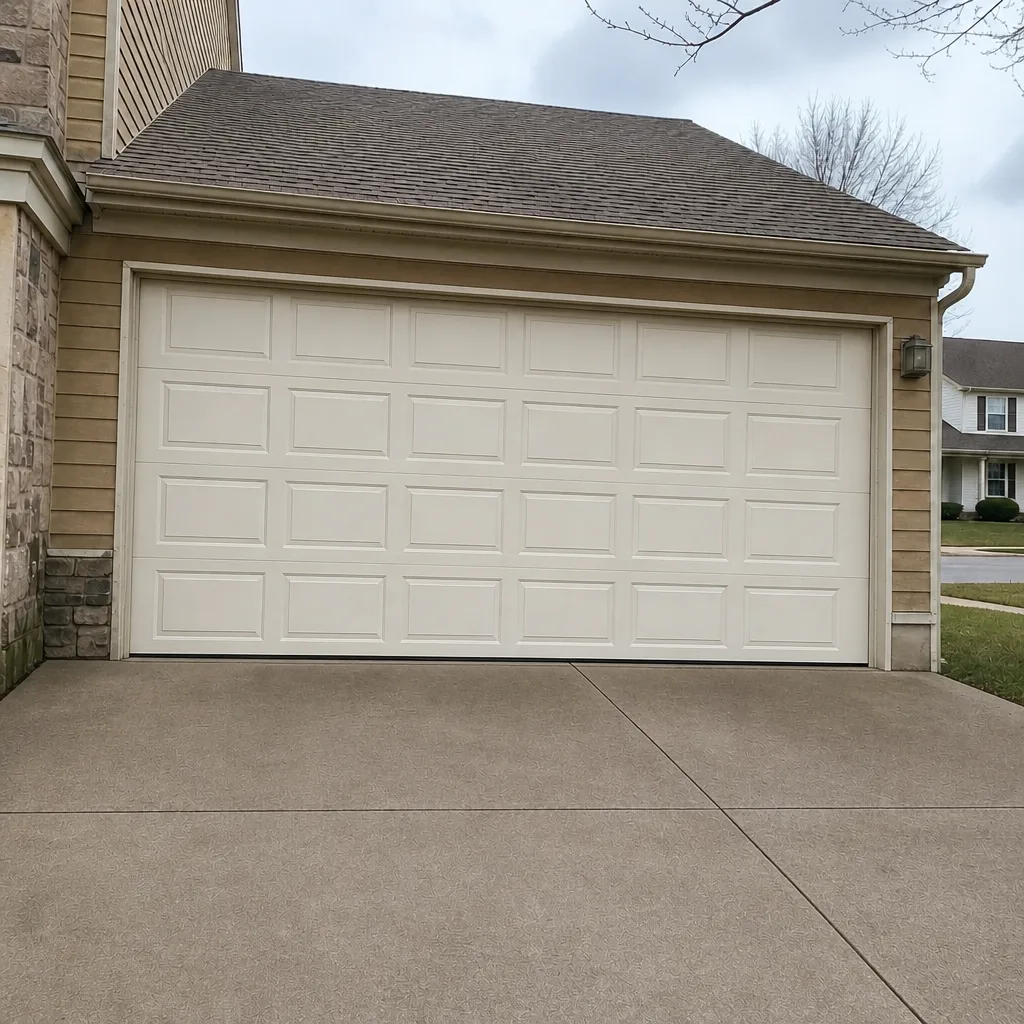 After
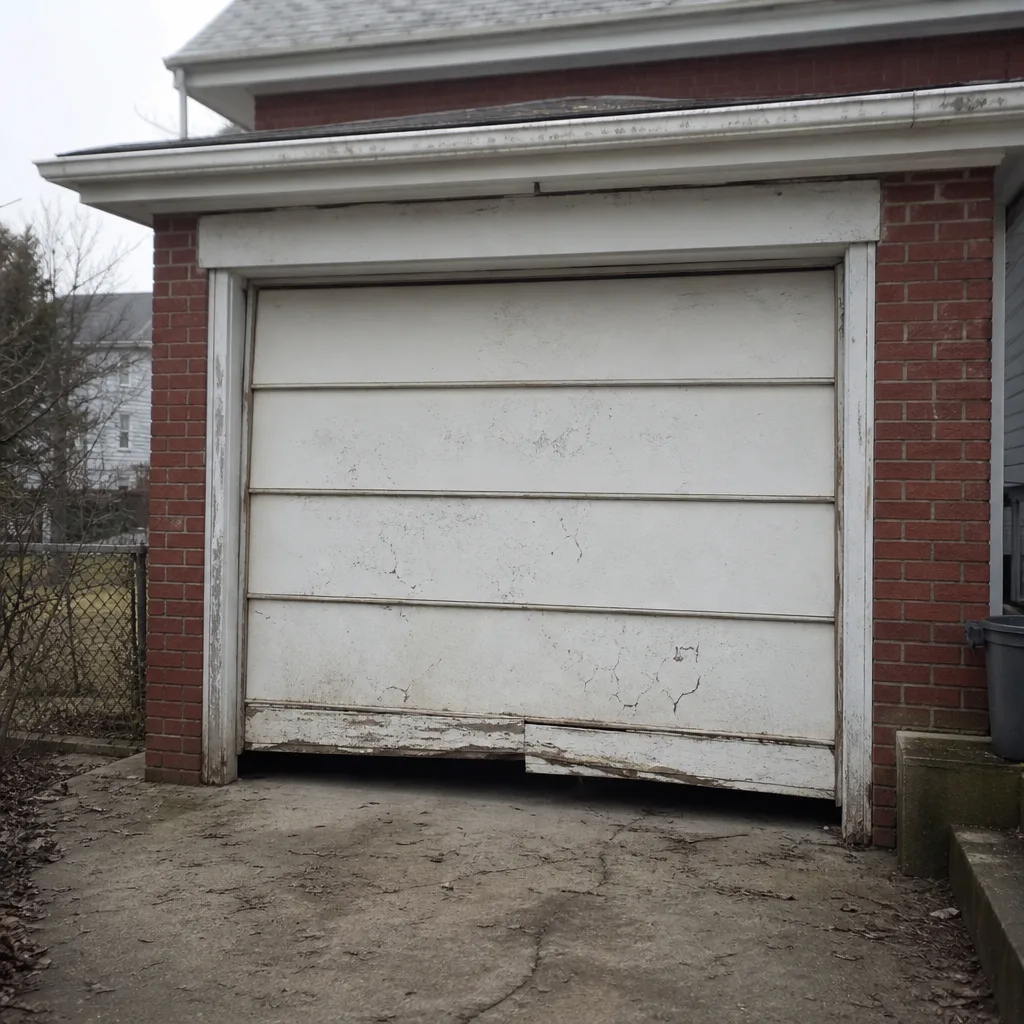 Before
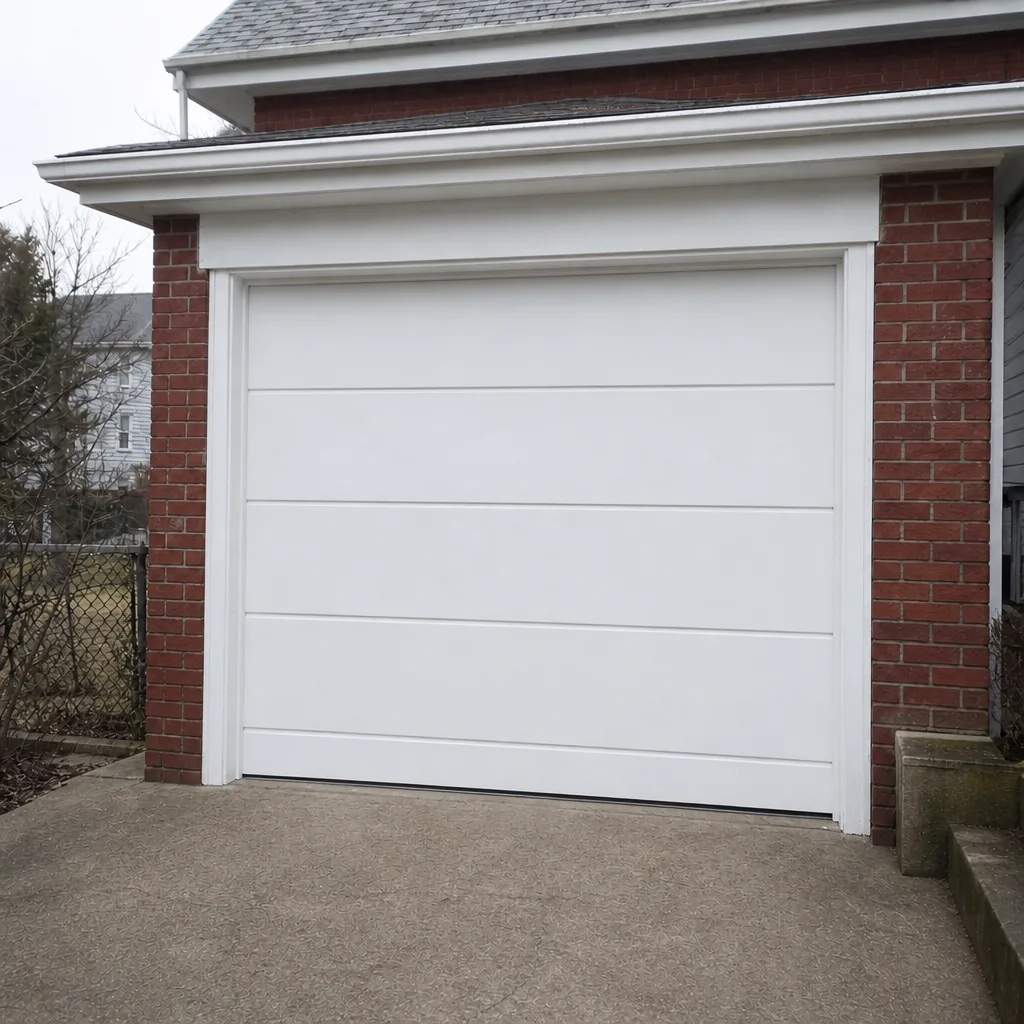 After
Frequently Asked Questions
Four times a year, once per season, is the right rhythm in this climate. Winter and summer stress the door in different ways, so a single annual check misses the wear that leads to spring cable and spring failures. A fall prep, a winter watch, a spring inspection, and a summer check cover the full cycle.
Yes. Lubricating rollers, hinges, and the torsion bar bearings with garage-door lubricant is safe homeowner work, and it’s best done in fall and again in summer. The parts to leave alone are the springs and cables themselves, which are under tension and belong to a specialist.
First, stop pressing the opener. Look for the ice bond along the seal and frame, melt it gently with warm water, free the door by hand, and only then use the opener. Never pry the door or use a flame. If it’s free of ice and still won’t move, stop and call – the problem is mechanical.
Humidity and heat are usually the cause. Wood door panels and frames swell in humid air and rub against the tracks, and south-facing metal doors expand and contract in the sun until tracks shift slightly out of alignment. Both are fixable with a summer inspection.
In Kensington, yes. Winter forces the cables, springs, and tracks through repeated freeze-thaw cycles, so the damage shows up in spring when the door first cycles in warmer air. A post-winter inspection is the smartest safety check of the year.
Very likely. We service eight major brands, including LiftMaster, Chamberlain, Genie, Clopay, Amarr, Wayne Dalton, Craftsman, and Raynor, which covers most doors and openers in Kensington. Our technicians have up to 10 years of experience and recognize the model on arrival. Call (833) 439-5277 for a free estimate.
When Your Door Won’t Move, We Will
A garage door that won’t move is one problem you don’t want to sit on, and a frozen, stuck, or broken door doesn’t always wait for a convenient moment. Emergency garage door service is a core part of what we do, not an add-on. From a spring that snaps in spring to an opener that quits in winter, we handle it, and we come to you.
Call (833) 439-5277 for a free estimate. We answer 24/7, with fast dispatch from 7am to 7pm, Sunday through Friday. The price is quoted and agreed before any work starts, so you’ll know the number before we touch the door.
The Bottom Line
Your garage door needs four seasonal check-ins, not one, because Kensington’s freeze-thaw winters and humid summers stress different parts of the system in different ways. Fall is for prepping seals, lubricant, and balance before the freeze. Winter is for handling ice gently and watching the opener. Spring is for inspecting the cables and springs that winter wore down. Summer is for humidity swelling and heat-driven track alignment. Do the safe tasks yourself, leave springs and cables to a specialist, and call when something looks worn or unsafe. That rhythm keeps the door working and keeps you out of trouble.
Written by the team at Garage Door Repair Kensington.