
Last updated November 21, 2026
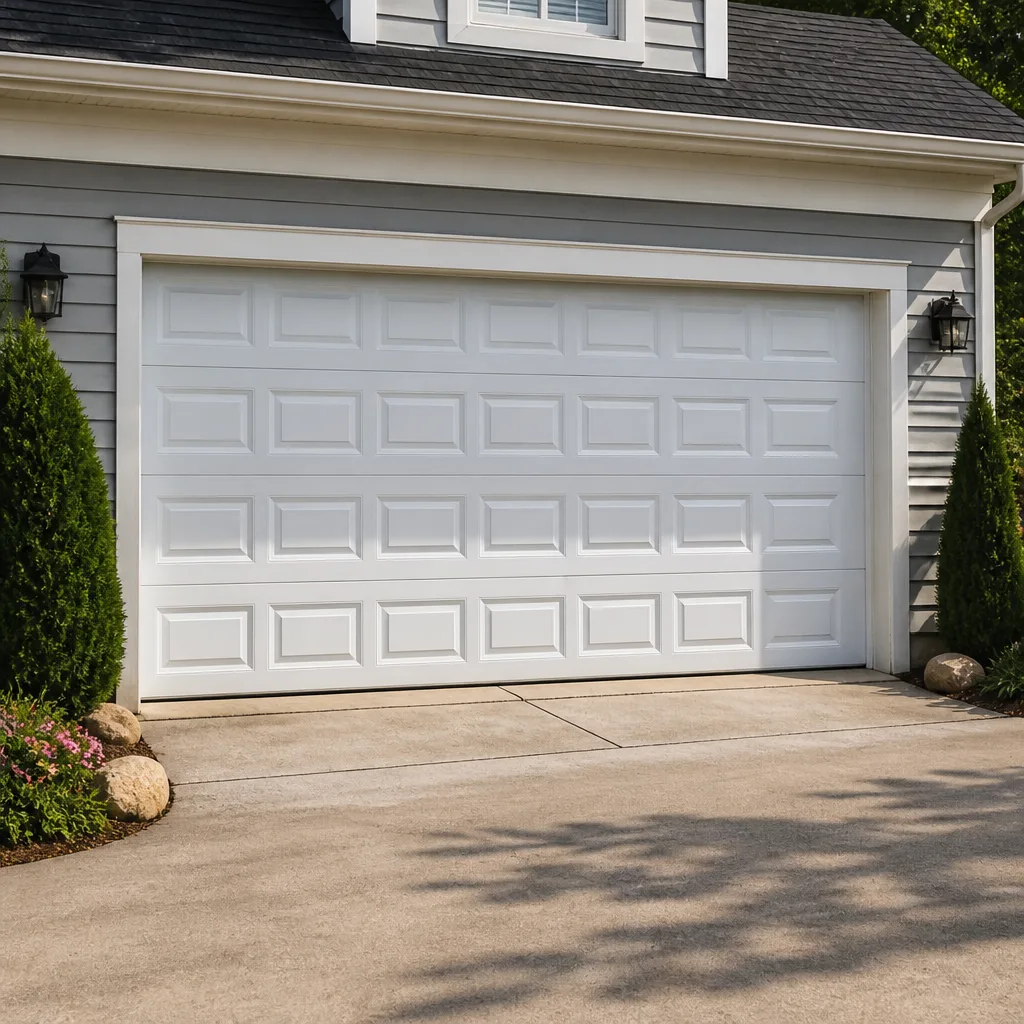 Raised-panel steel
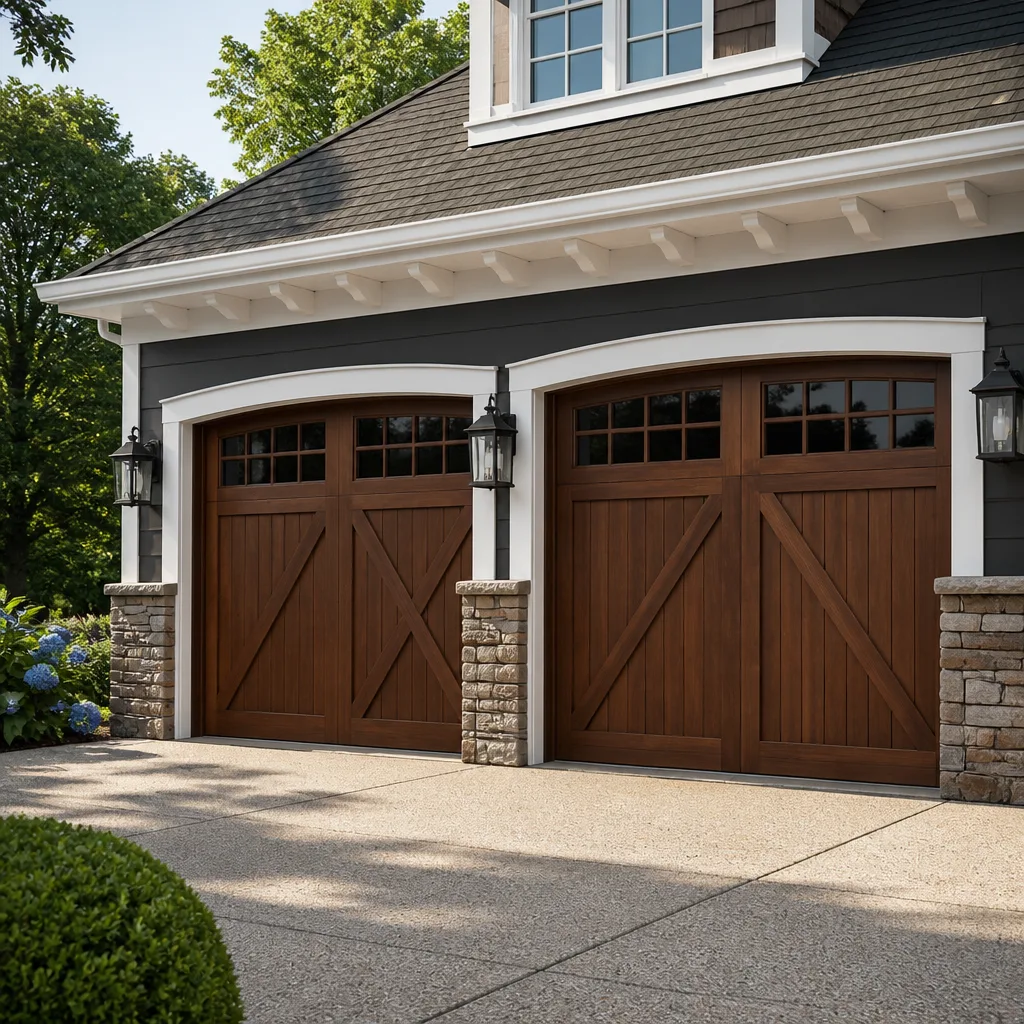 Carriage house
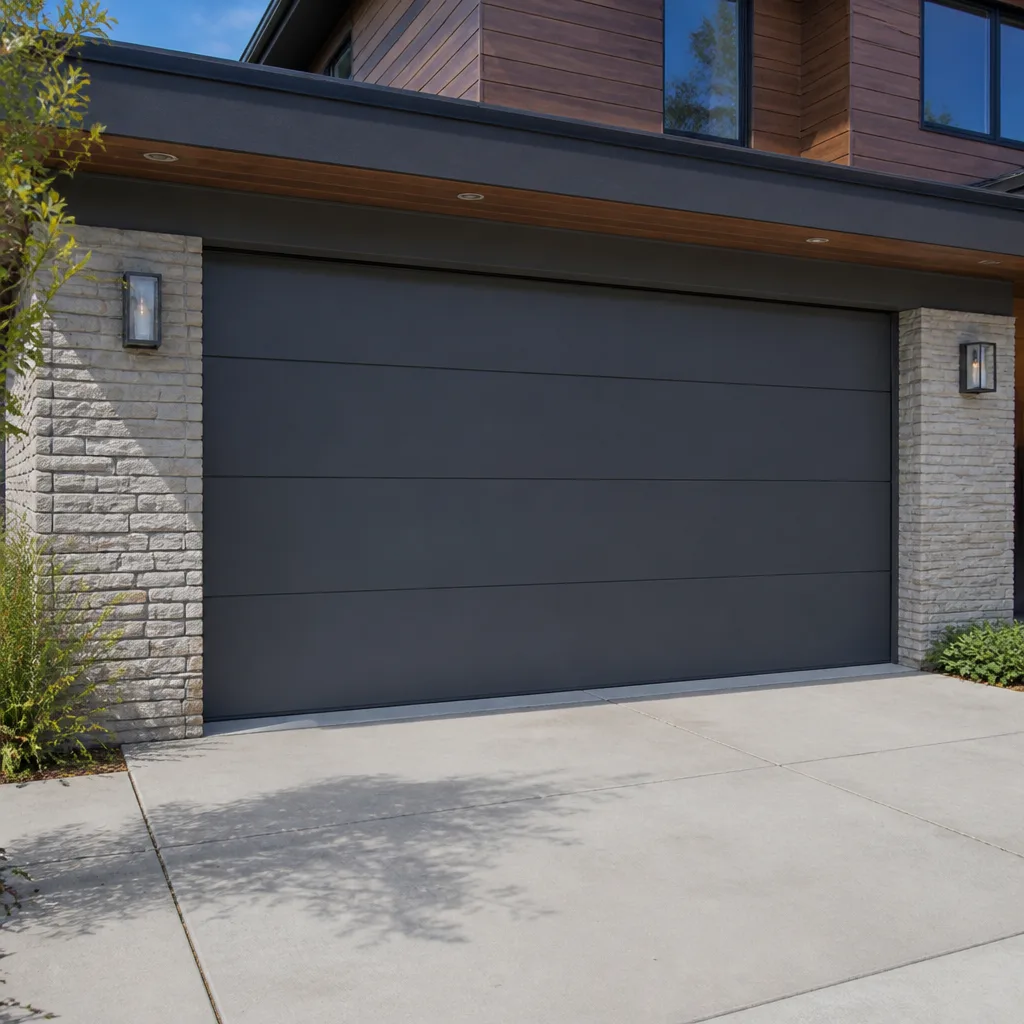 Modern flush
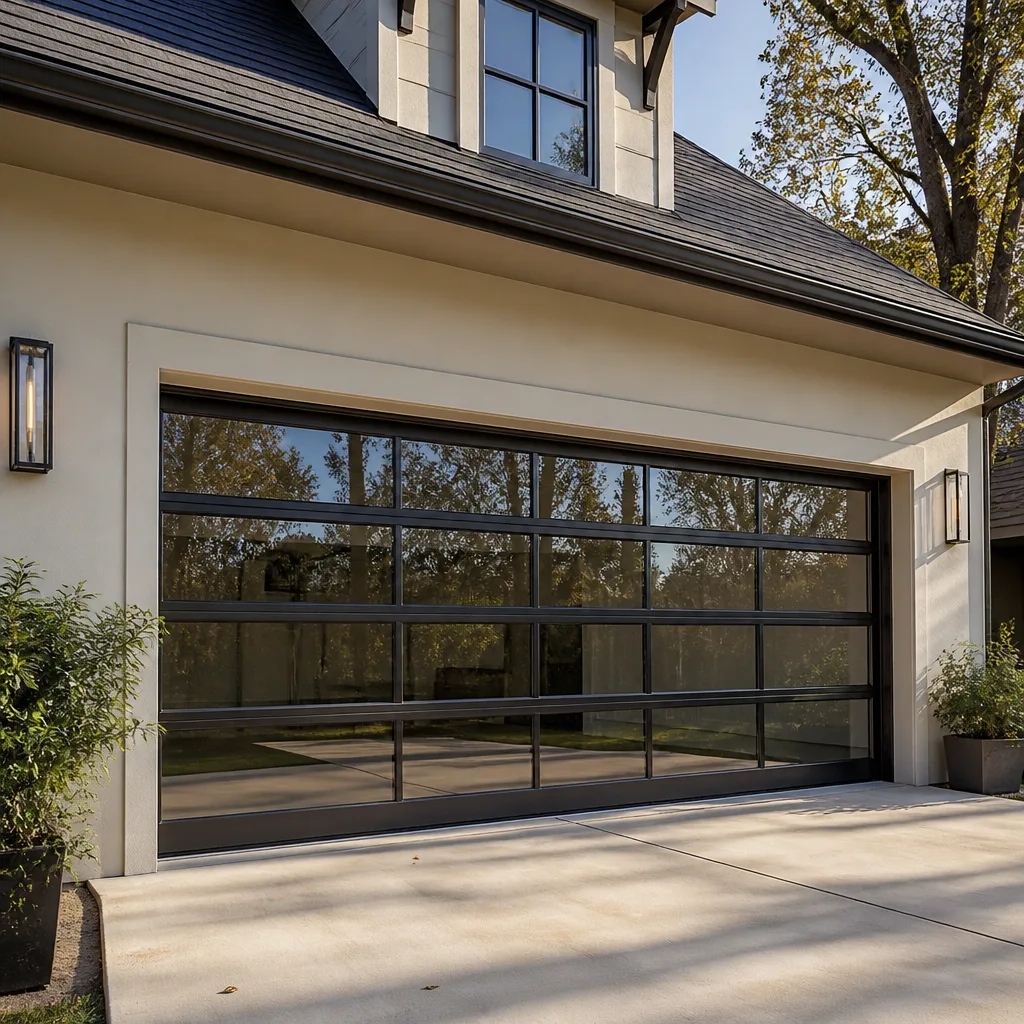 Full-view glass
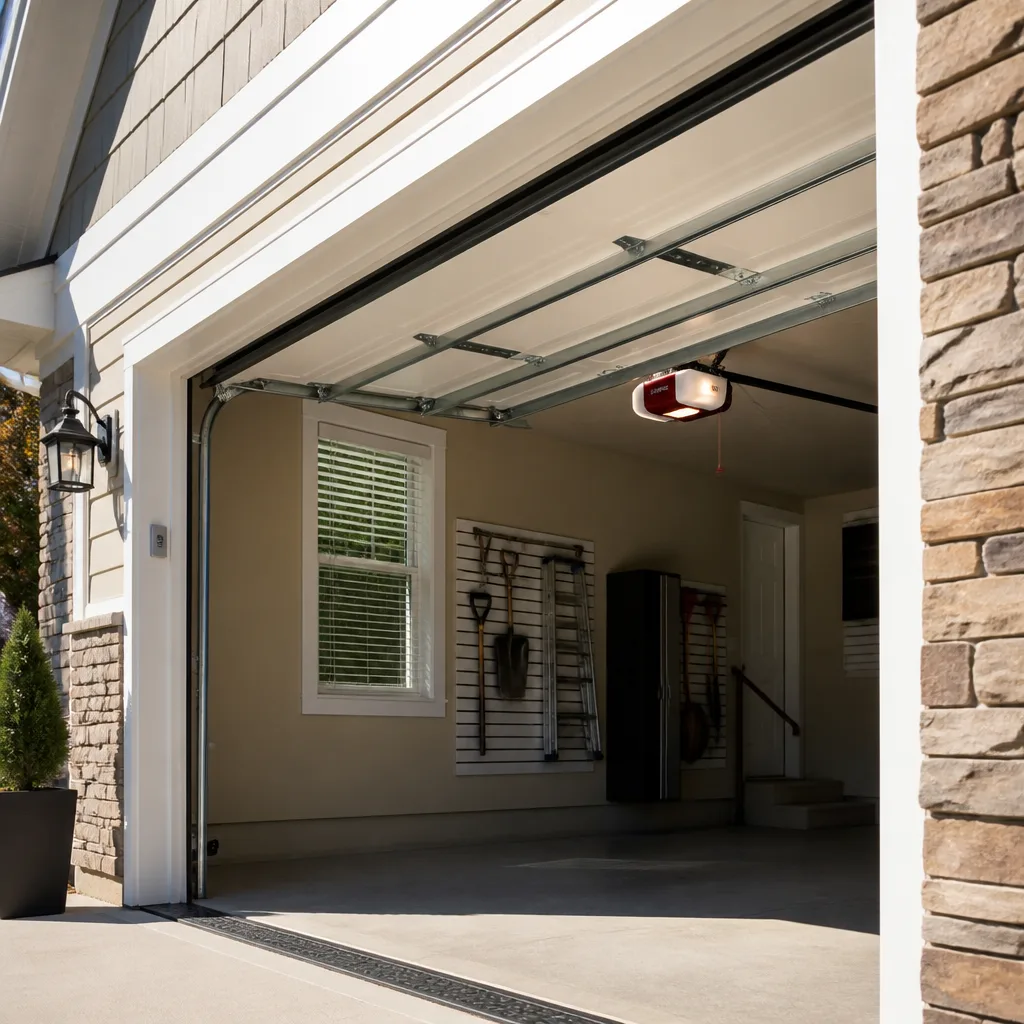 LiftMaster openers
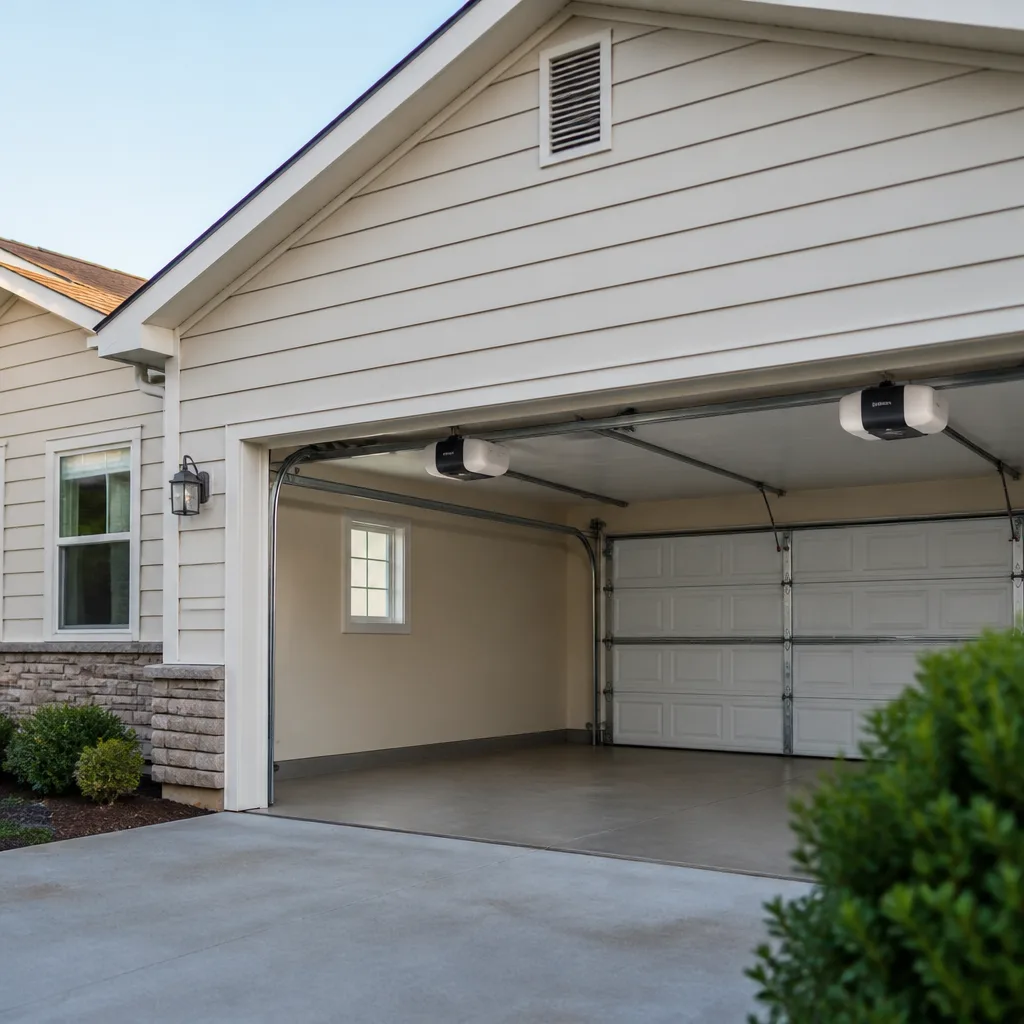 Chamberlain openers
Full 25-point door and opener safety check with every visit - springs, cables, rollers, tracks, and your LiftMaster or Chamberlain opener included
You get a price before we start. It does not change when the pro arrives.
Get your free estimateGarage Door Permits, Codes & Inspections in Kensington, PA: What You Need to Know
Most homeowners assume a garage door replacement never touches a permit office. In Kensington, that assumption is usually right and occasionally expensive. A like-for-like door swap in an existing opening typically needs no permit from Philadelphia’s Department of Licenses and Inspections (L&I), which governs Kensington. But change the opening, widen it, alter the structure above the door, or add a new electrical circuit for an opener, and the work can fall squarely inside L&I’s permitting rules. Skip that step and the problem tends to surface years later, at a home sale inspection, when a buyer’s lender asks for documentation you don’t have. This guide walks through the threshold that separates a simple swap from permitted work, how historic overlays in parts of Kensington change what door you can hang, and what paperwork a professionally installed door should leave in your hands.
Quick Answer
In Kensington, replacing a garage door with a like-for-like door in an existing, unaltered opening generally does not require a building permit, while any work that changes the opening’s size, the header or framing above it, or the structural opening itself does. Adding an opener on a new dedicated circuit usually requires a separate electrical permit. Because Kensington falls under Philadelphia’s L&I, always confirm the specific scope with the city’s building department before work starts, and keep the written documentation from the installer.
Styles & brands we work with
- Raised-panel steel
- Carriage house
- Modern flush
- Full-view glass
- LiftMaster openers
- Chamberlain openers
Table of Contents
- When does a garage door need a permit in Kensington?
- Do you need an electrical permit for a garage door opener?
- Historic district rules in Kensington and door style approvals
- What does a code-compliant installation look like in writing?
- How to pull a permit retroactively for past work
- What happens during a garage door inspection
- How unpermitted work affects a home sale in Kensington
- When to call a professional
When does a garage door need a permit in Kensington?
Kensington sits within the City of Philadelphia, so garage door work here answers to Philadelphia’s Department of Licenses and Inspections rather than a separate township code office. The dividing line most homeowners care about is simple: a replacement that matches the existing opening is treated as maintenance, and a replacement that changes the opening is treated as construction. The first category is routine. The second is where permits, drawings and inspections enter the picture.
Think of it as a question of what the door touches. A garage door is a system, and the part that matters to the code is not the panel face but the opening it hangs in, the framing that carries the load above it, and the hardware that holds tension. When those stay as they were, the work is a swap. When any of them changes, you’re modifying a structure, and L&I wants to see that it’s done safely.
Work that typically does not need a permit
- Replacing a door with the same nominal size in the same existing opening
- Changing door material or style in an opening that stays the same size and position
- Replacing a torsion or extension spring, cables, rollers, hinges or tracks on the existing door
- Swapping a worn opener for a comparable unit using the existing wiring and circuit
- Routine maintenance, adjustment and safety testing
Work that can trigger a permit requirement
- Widening or heightening the garage opening
- Cutting, adding or altering the header or framing above the door
- Converting a non-garage opening (a former carriage door, a walled-in bay) into a working garage door opening
- Adding a new electrical circuit or outlet for a garage door opener where none existed
- Any alteration that changes how the opening carries structural load
The word “typically” matters here. L&I evaluates the scope of each job, and what one inspector treats as a swap another may want documented if the existing opening is already out of compliance. Before any work that alters the opening, ask the city’s building department to confirm whether your project needs a permit and what drawings they want. That single phone call prevents most of the trouble described in this guide.
If you’re weighing repair against replacement, our guide to garage door repair covers how to tell the difference before you commit to a new door.
Do you need an electrical permit for a garage door opener?
Sometimes, yes, and it’s the electrical permit question that catches most Kensington homeowners off guard. A garage door opener is an electrical appliance, and the rules for wiring it follow electrical code, not door code. If an opener is simply plugged into an existing outlet, that’s one thing. If the job requires a new dedicated circuit, a new outlet, or a run of new wiring back to the panel, that work is generally treated as an electrical installation and often needs its own permit, separate from any door permit.
This separation matters because the two permits are issued and inspected under different trades. A door permit covers the opening and the structural work. An electrical permit covers the circuit, the outlet and the connection. On a new installation where the garage previously had no powered opener, the electrician’s work and the door installer’s work are two different scopes that may each need sign-off.
What usually falls under the electrical side
- Running a new dedicated circuit from the panel to the garage
- Adding a new outlet or junction box to feed the opener
- Relocating existing wiring to reach a new opener position
- Any modification to the panel to support the new circuit
What usually does not
- Replacing a failed opener that plugs into the same existing outlet
- Repairing a unit that’s already wired and powered
- Replacing a battery backup or remote unit
Electrical panel and wiring work is not a weekend project. If your opener needs a new circuit, a licensed electrician handles that piece, and the inspection is part of the process. We handle the door and opener side and tell you plainly when the electrical scope belongs to someone else. Our garage door opener repair page covers how opener diagnostics work when the issue is the unit rather than the wiring. If you’re installing a new LiftMaster or Chamberlain opener and want to know whether your wiring will need changes, a free estimate is the fastest way to find out.
Historic district rules in Kensington and door style approvals
Parts of Kensington carry historic district overlays, and those overlays add a layer of review beyond standard building code. In a historic district, the question isn’t only whether the door is safe and permitted. It’s whether the door you want is appropriate for the district’s character. That distinction surprises homeowners who assume a permit approval means they can hang any door they like.
Historic review in Philadelphia generally applies to visible changes to the exterior of a building within a designated district. A garage door facing a street is almost always visible. The type of overlay that applies to your specific block, and whether a garage door falls inside it, depends on the district and the design review process that governs it. The practical step is to check with the city’s historic preservation office before you order a door, not after it’s sitting in your driveway.
What historic review tends to ask about
- Whether the door style matches the building’s era and the district’s character
- Material, color and panel configuration
- Whether a modern sectional door can be dressed to read appropriately from the street (window patterns, raised panels, carriage-style hardware)
- Whether the proposed change is reversible
In our experience, the style question is easier to answer than it looks. A Clopay door configured in a carriage-house profile can satisfy both a homeowner who wants modern operation and a district that wants period character. The mistake is ordering first and asking second, which turns a simple approval into a return.
If your door is inside an overlay, build the review time into your schedule before you commit to an install date. Our garage door installation guide walks through how the measurement and ordering stages fit together once approvals are in hand.
What does a code-compliant installation look like in writing?
A compliant installation leaves a paper trail, and the paper trail is what protects you at resale, at an insurance review, or if a neighbor’s contractor ever questions how your door was set. Most homeowners never ask for documentation. The ones who do are the ones who don’t get surprised later. Here’s what a professionally installed garage door should leave in your hands.
- A written scope of work. The estimate and the final invoice should both state what was installed, in what size, in what opening, and whether any structural work was performed. If the opening was modified, the scope should say so explicitly.
- The manufacturer’s model and serial numbers. The door panel model and the opener model, recorded. This matters for warranty claims and for a future buyer’s inspection.
- The opener manual and any electrical documentation. If a new circuit was installed, the electrician’s permit closeout belongs in your file alongside the door paperwork.
- The bill of materials. Springs, cables, rollers, hinges, tracks and fasteners, with the spring specification called out. Spring cycles are rated, and knowing what you have helps you plan the next replacement.
- Safety test confirmation. The opener’s auto-reverse function and photo-eye safety system should be confirmed in writing as functioning at completion.
- Any permit closeout documents. If a permit was pulled, the approved inspection record is the single most valuable page in the file.
If you’ve hired before and can’t find any of this, that’s not a red flag about your door’s safety by itself. It is a reason to have the system inspected and the paperwork reconstructed now, while there’s no buyer at the closing table asking questions.
How to pull a permit retroactively for past work
If garage door or opening work was done without a permit and the work required one, the path forward is a retroactive permit application through the city’s building department. It’s rarely as painful as homeowners fear, but it does take sequence and patience. The general process looks like this.
- Identify what was done and when. Gather whatever documentation exists: the old invoice, photos, model numbers, the installer’s name if you have it. Even partial records help.
- Contact the city’s building department. Kensington falls under Philadelphia’s L&I. Describe the work and ask what the department requires for a retroactive filing on that scope.
- Hire a licensed professional to review the existing work. In many cases the city wants a licensed contractor to confirm the work is sound before it will permit it retroactively. If the work is unsafe, it may need to be corrected first.
- Submit the application and any drawings required. For an opening modification, this usually means framing details. For an electrical connection, this usually means the electrician’s scope.
- Schedule the inspection. The inspector reviews the work against current code, not the code in place when it was installed.
- Close out the permit and keep the record. The closeout is the document a future buyer will want. File it with your home records.
The one thing to avoid is pretending the issue doesn’t exist. Unpermitted work doesn’t disappear because time passed. It becomes a closing problem, and closing problems cost more to solve under time pressure than they do on a calm Tuesday in Kensington. Call (833) 439-5277 if you want to talk through what your paperwork file should contain. Estimates are free. We answer 24/7. Fast dispatch from 7am to 7pm, Sunday through Friday.
What happens during a garage door inspection
A garage door inspection is a practical safety review, not a cosmetic one. Whether it’s tied to a permit closeout, a home sale or a homeowner who just wants to know the system is sound, an inspection checks the parts that fail dangerously. In our experience, most homeowners are surprised by how much of the inspection is about the spring and balance system rather than the panels.
What an inspection covers
- Spring condition: torsion or extension, cycle wear, any sign of fatigue or rust
- Cable condition and the attachment points at drum and bottom bracket
- Door balance: how the door travels when disconnected from the opener
- Track alignment and roller condition
- Hinge wear and fastener tightness
- Opener operation, force settings, and the safety reverse function
- Photo-eye alignment and function
- Weather seal at the threshold and the perimeter
There’s one part of this list you should never inspect yourself. High-tension torsion springs and the cables under them store serious energy, and a spring that lets go while someone is working near it can cause severe injury. We leave that to trained technicians for a reason, and we ask homeowners to do the same. What you can safely check is the balance, the safety reverse and the photo eye. Everything under tension belongs to a professional.
Our technicians have up to 10 years of experience with spring systems on every major brand, from LiftMaster and Chamberlain openers to Clopay and Amarr doors, and we treat spring work as the high-risk specialty it is.
How unpermitted work affects a home sale in Kensington
A home sale is where garage door paperwork surfaces. Philadelphia L&I can flag unpermitted structural work during a sale inspection, and an opening that was widened without a permit is exactly the kind of issue that stalls a closing. It’s not because the door is broken. It’s because the record shows a change to the structure that was never reviewed, and the buyer’s lender wants resolution before funding.
The typical sequence in Kensington looks like this. The buyer’s inspector notes the door or opening. The lender or title company asks for documentation. The seller discovers there isn’t any. The closing date is now negotiable in ways the seller didn’t plan for. In a tight market, this goes away quickly. In a slower one, it can cost the seller more than the permit would have.
How to avoid it
- Keep the installation documentation described above with your home records (not in a drawer at the installer’s office)
- If a permit was pulled, keep the closeout page where a title company can find it
- If prior work is unpermitted, resolve it before listing, when you have time
- If a door replaced an existing door in the same opening, that’s a maintenance swap and typically needs no permit at all. Document it anyway.
The safest position for a Kensington homeowner is simple documentation on file. A written scope, a model number, a closeout if one was required. None of it is expensive. All of it makes a closing run smoothly. Call (833) 439-5277 for a free estimate on bringing an older installation up to a documented, code-compliant standard. We answer 24/7. Fast dispatch from 7am to 7pm, Sunday through Friday.
Common Mistakes to Avoid
- Assuming all door replacements need a permit. Most like-for-like swaps in Kensington don’t. The permit question is about the opening, not the door, and conflating the two leads homeowners to overpay for filings they don’t need or, worse, skip the one they do.
- Widening an opening to fit a bigger door without checking first. A wider door needs a wider opening, which means altering framing and the load path above it. That’s a structural change and the exact scope that triggers a permit review.
- Forgetting the electrical permit. Installers often wire openers into existing outlets, but a new dedicated circuit or outlet requires its own electrical permit separate from the door permit. Ask which scope applies before work starts.
- Ordering a door into a historic overlay without review. Parts of Kensington sit in historic districts, and a door that fails design review has to be replaced or returned. Check with the historic preservation office before you order.
- Not asking for documentation at completion. The best time to collect the model numbers, safety test record and any closeout paperwork is the day the technician leaves, not years later when a buyer’s inspector asks.
- Treating unpermitted work as a someday problem. Time doesn’t make the permit appear, and sales have a way of arriving faster than expected. If you suspect prior work was unpermitted, resolve it while there’s no closing on the calendar.
- Trying to adjust springs or cables to “test” them. Springs under tension are dangerous. The safe checks are the balance, the safety reverse and the photo eye. Anything under load belongs to a trained technician, and the spring is the reason a specialist exists.
See the difference
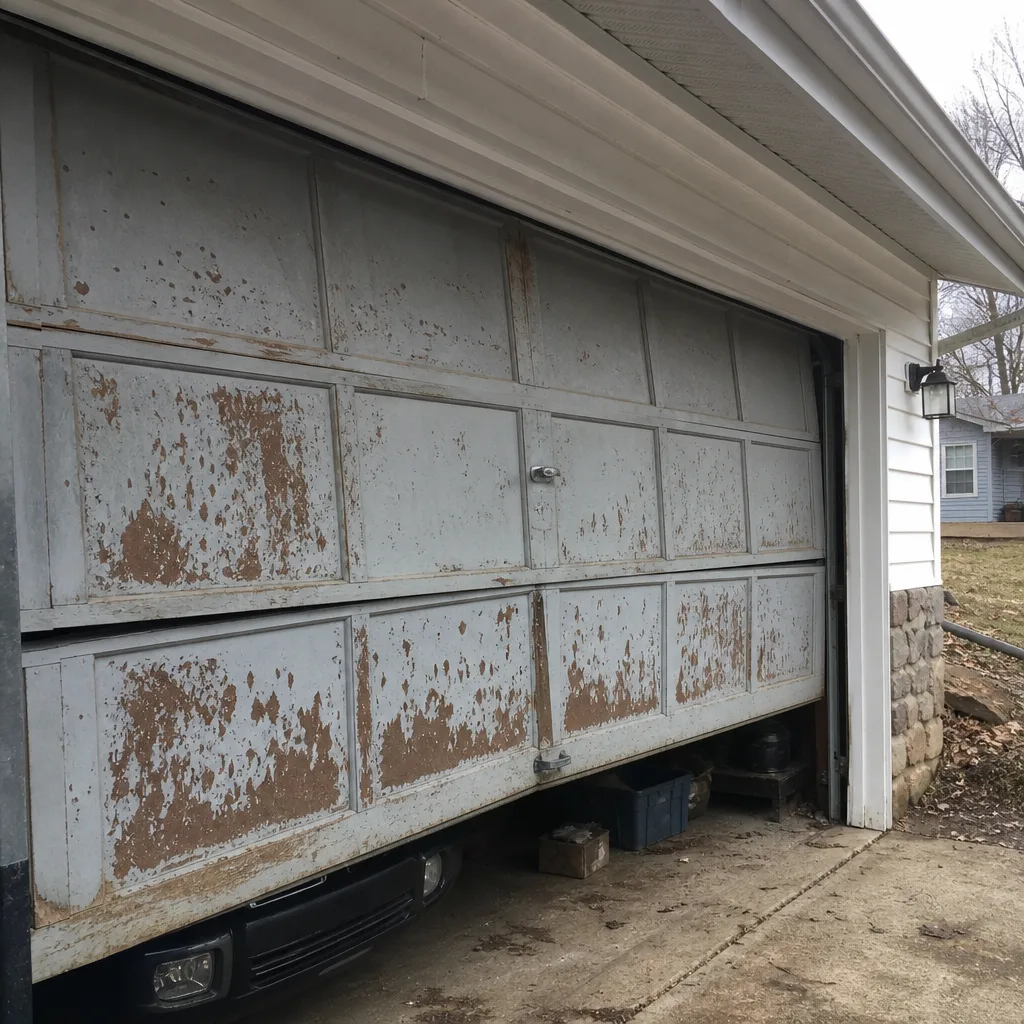 Before
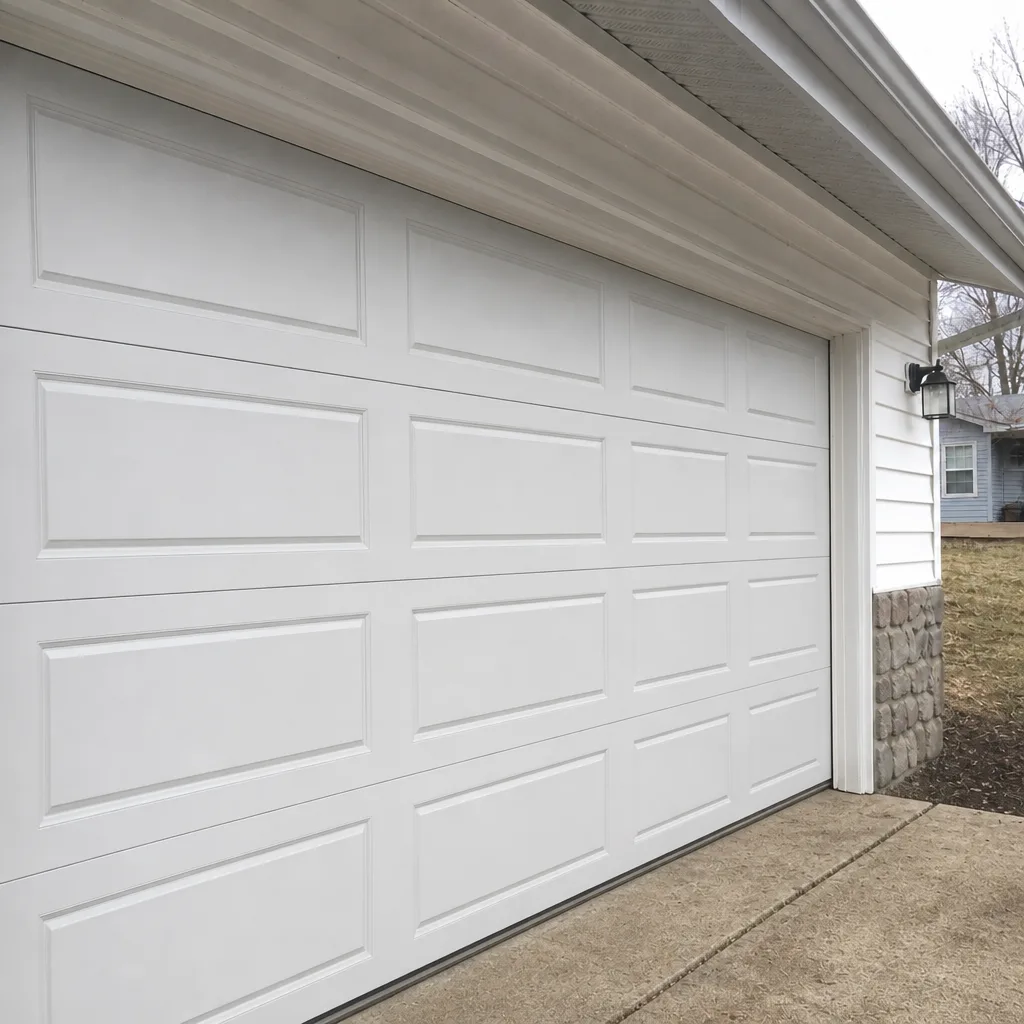 After
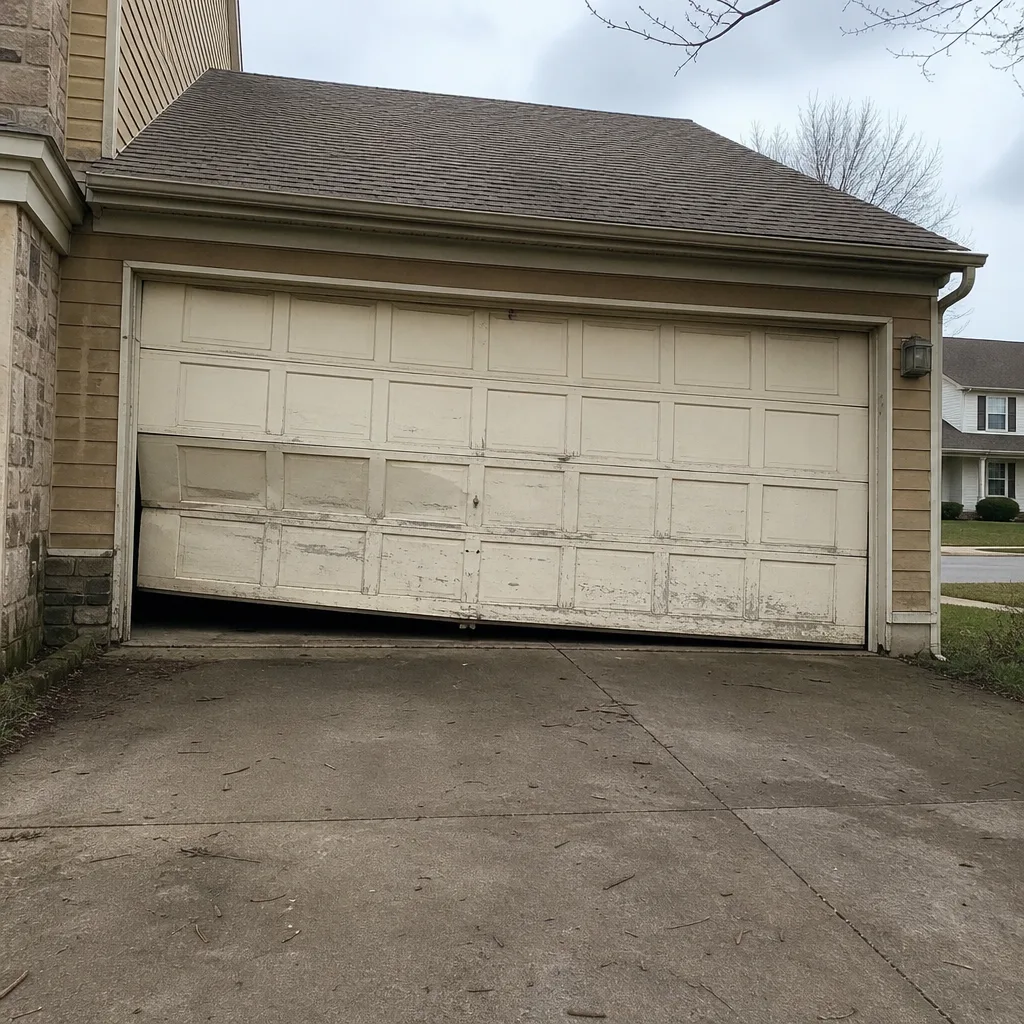 Before
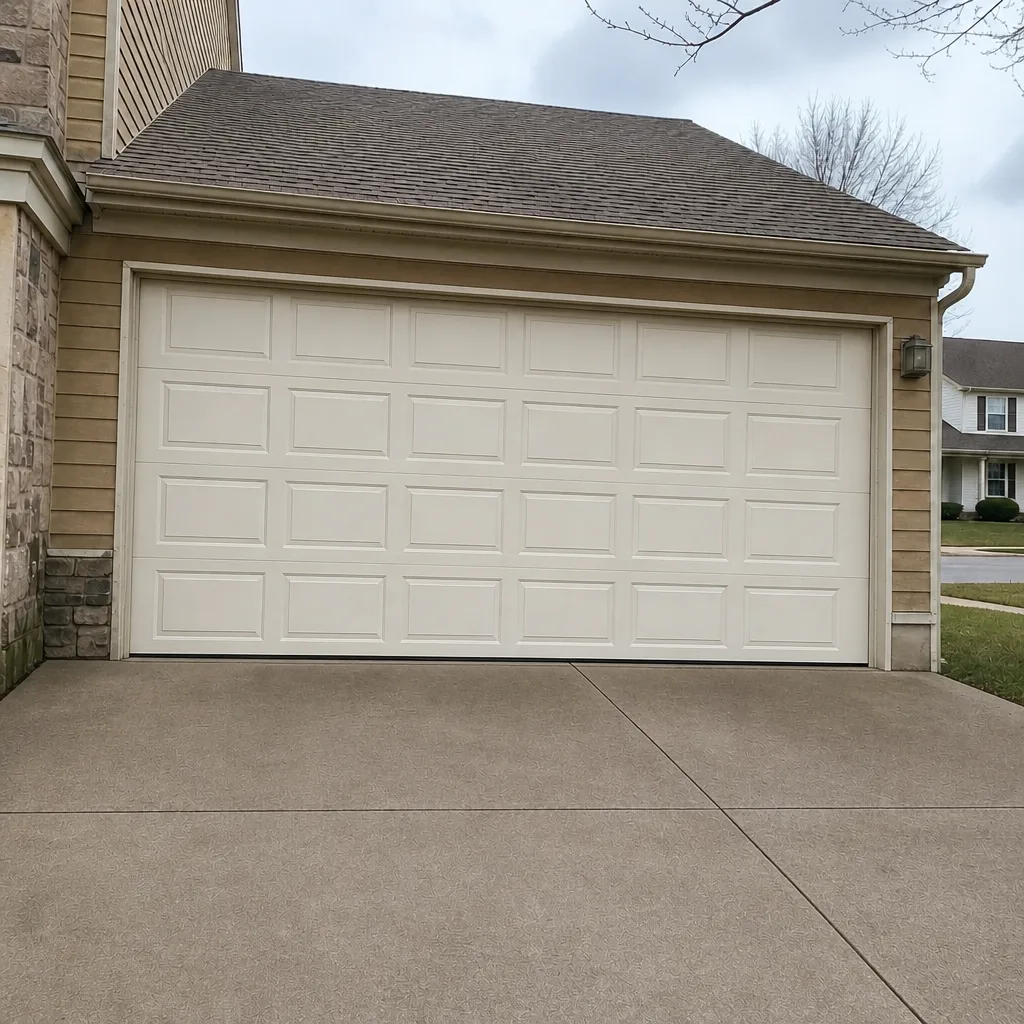 After
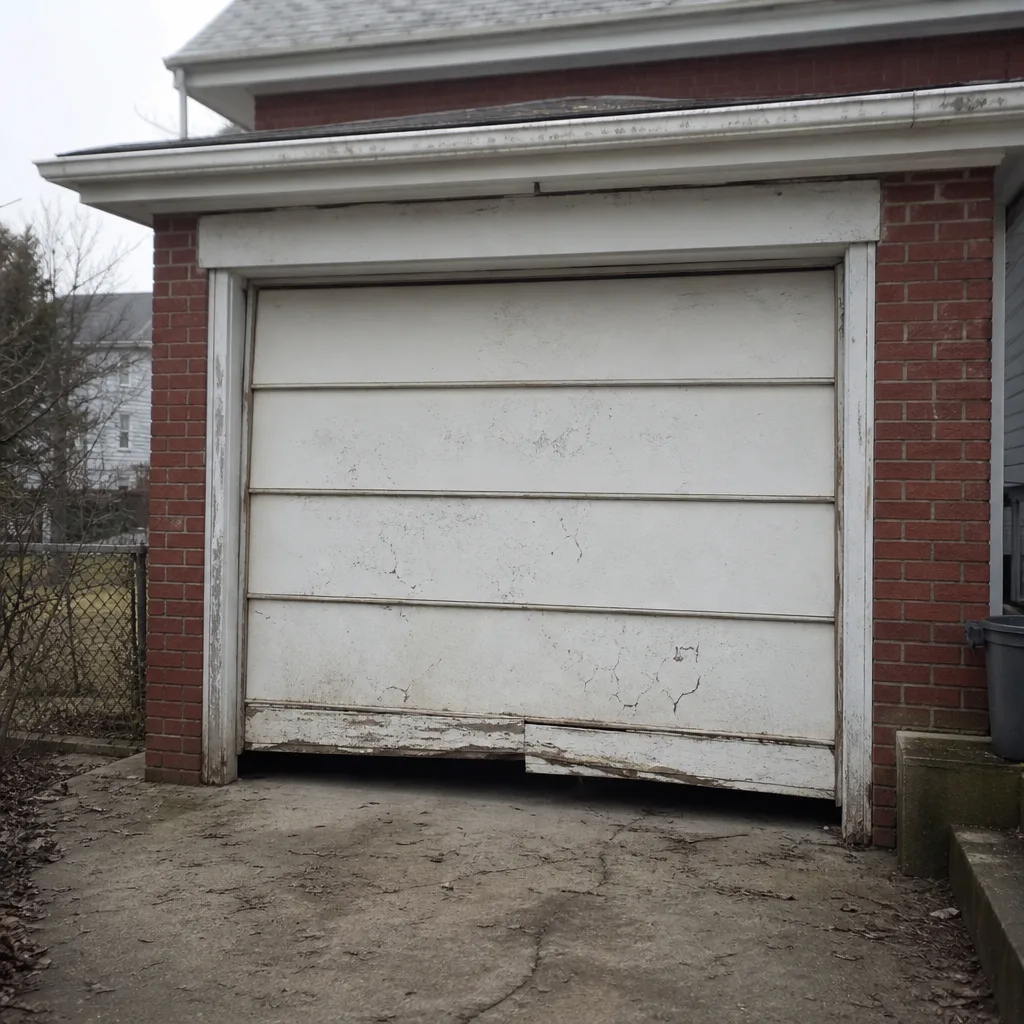 Before
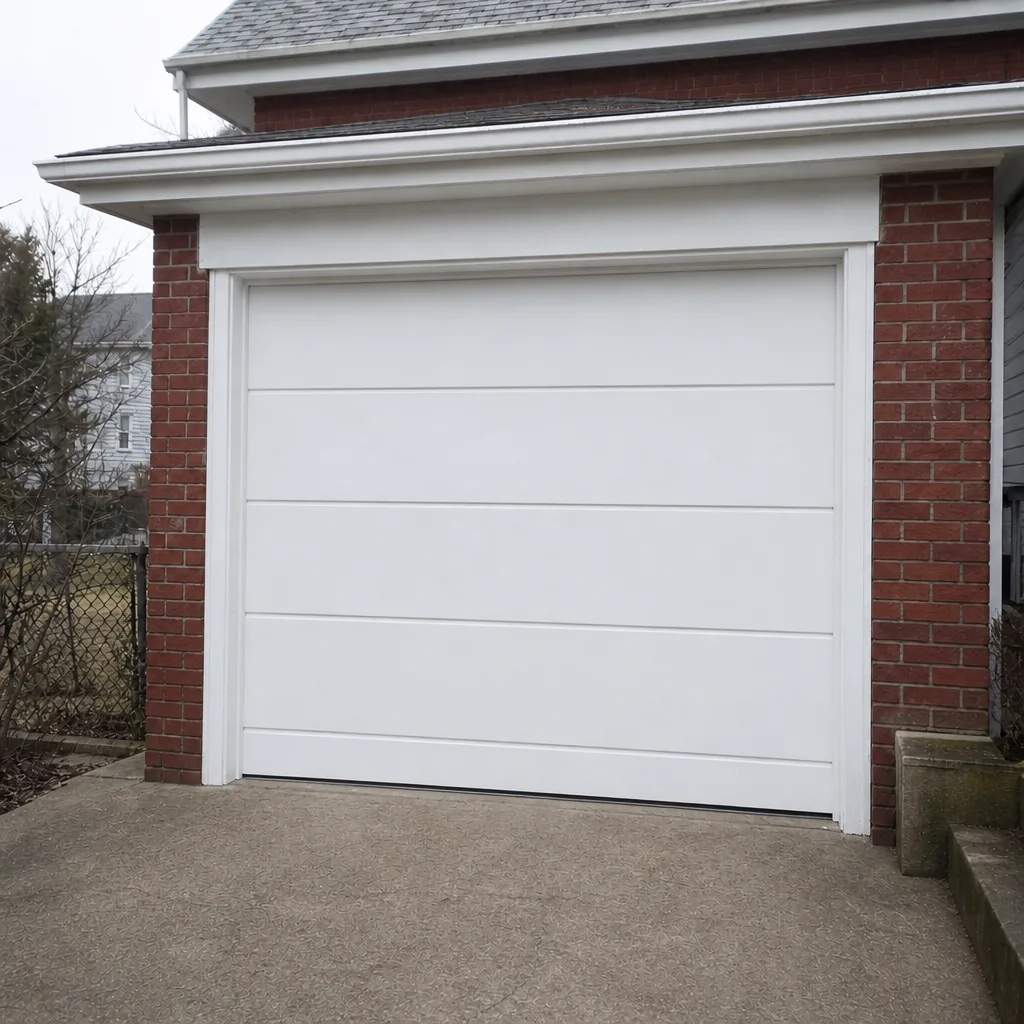 After
When to Call a Professional
Some garage door work is a phone call to the city. Some is a phone call to a specialist. Call a professional if you hear a bang from the garage and the door won’t lift, if the door is balanced oddly on one side, if the opener reverses or runs without moving the door, or if you’re planning any change to the opening or the wiring. Call us if you need documentation for a sale, a retrofit into an older opening, or a safety inspection on a system you’ve never had reviewed. Kensington homeowners don’t need a generalist for this. They need someone who recognizes the door, the brand and the failure mode on arrival. Garage Door Repair Kensington offers free estimates in Kensington. Call (833) 439-5277 and we’ll give you a written price before any work starts. We answer 24/7. Fast dispatch from 7am to 7pm, Sunday through Friday, and we’re closed on Saturday. You can also start at our Garage Door Repair Kensington home page if you just need a snapshot of what we cover.
Frequently Asked Questions
Usually not, if you’re replacing a door in the existing opening at the same size. If the opening is widened, the framing above the door is altered, or the load path changes, a permit is generally required. Kensington falls under Philadelphia’s L&I, so ask the city’s building department to confirm your specific scope before work begins. Call (833) 439-5277 for an exact quote on the door side. Estimates are free.
Yes, in many cases it does. An opener that plugs into an existing outlet is usually treated differently from one that requires a new circuit, new outlet or new wiring back to the panel. The electrical scope often needs its own permit, separate from any door permit. A licensed electrician handles the wiring, and we handle the opener and door. Call (833) 439-5277 to sort out which scope your install needs.
It can. L&I can flag unpermitted structural work during a sale inspection, and a widened opening installed without a permit is a common example of what stalls a closing. The way to avoid it is to keep documentation on file and resolve any unpermitted work before listing. If you’re prepping a sale, call (833) 439-5277 for a free estimate on bringing the installation up to a documented standard.
Yes, usually. Retroactive permitting is a matter of applying through the city’s building department, having a licensed professional review the existing work, submitting what the city requires, and scheduling an inspection. The inspector evaluates the work against current code. The important step is to start the process while there’s no closing deadline. Call (833) 439-5277 and we’ll walk you through which piece is yours and which is the city’s.
They can. Parts of Kensington fall within historic district overlays, and door style, material and color can be subject to design review beyond standard building code. A door visible from the street is the one most likely to be reviewed. Check with the city’s historic preservation office before you order. Our team can help you identify which door styles meet the intent of the overlay. Call (833) 439-5277 for a free measure and written estimate once approvals are in hand.
The local pros we connect you with are licensed and insured as their state requires. Our own focus is narrower: we do garage doors, springs, openers and installation, and nothing else. That single-trade focus is why we recognize LiftMaster, Chamberlain, Genie and the other major brands on sight. Pricing is set per job by the written estimate you approve before any work starts. Call (833) 439-5277 for an exact quote.
The Bottom Line
Garage door permits in Kensington come down to one question: did the work change the opening? A like-for-like swap in an existing opening usually needs no permit. Anything that alters the framing, the size or the load path generally does, and the electrical side of a new opener can trigger its own permit separately. Historic overlays add a design review layer on parts of Kensington, and documentation is what protects you at resale. Resolve open questions early, keep your paperwork, and let a specialist handle the spring work. If you’re planning a replacement or need a documented installation, we’ll give you a written price before any work starts.
Written by the team at Garage Door Repair Kensington.