
Last updated November 21, 2026
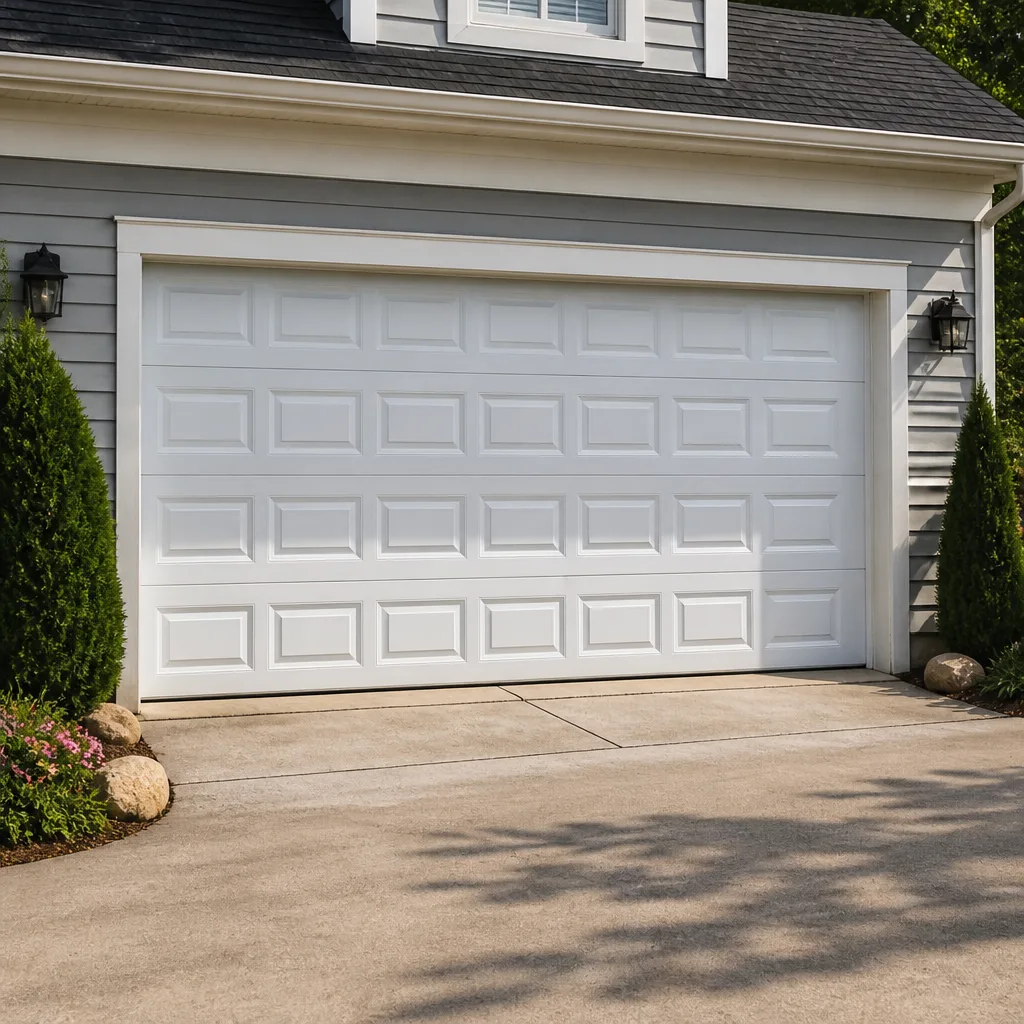 Raised-panel steel
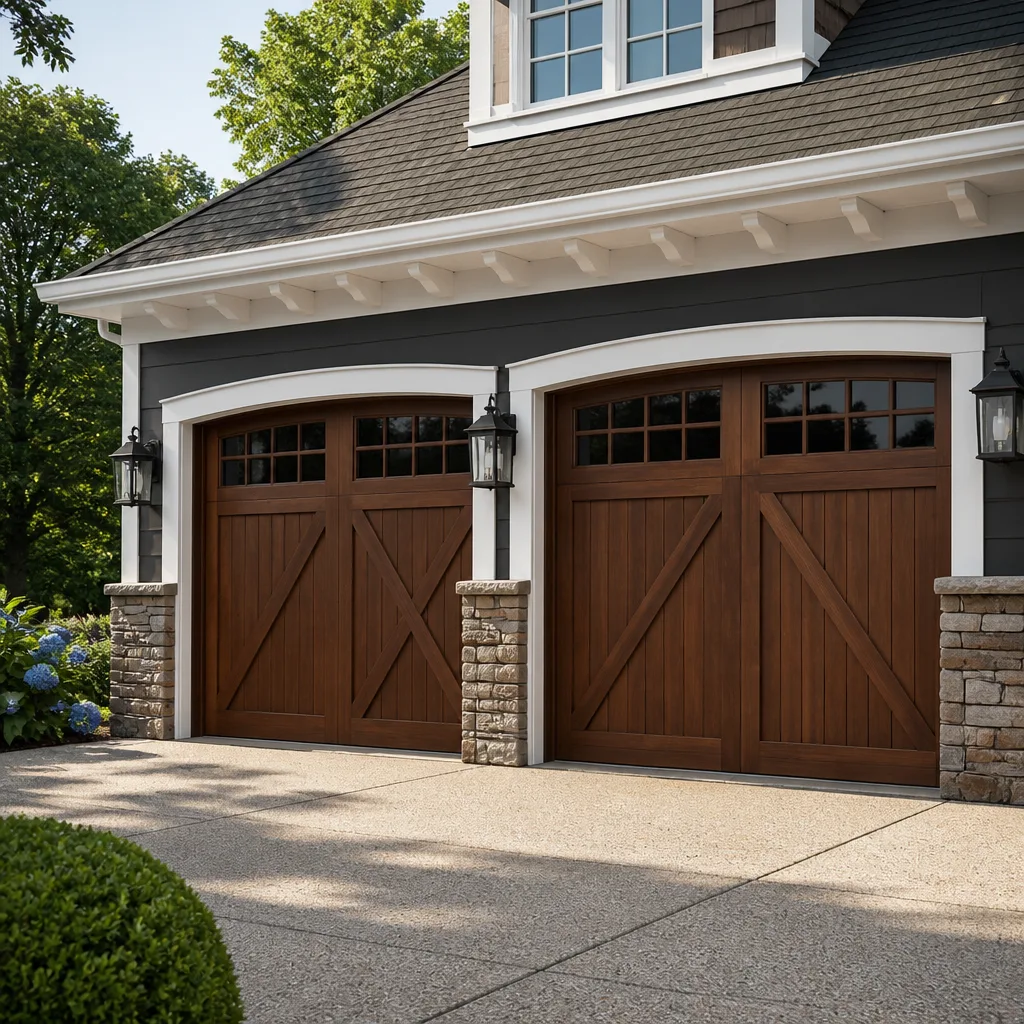 Carriage house
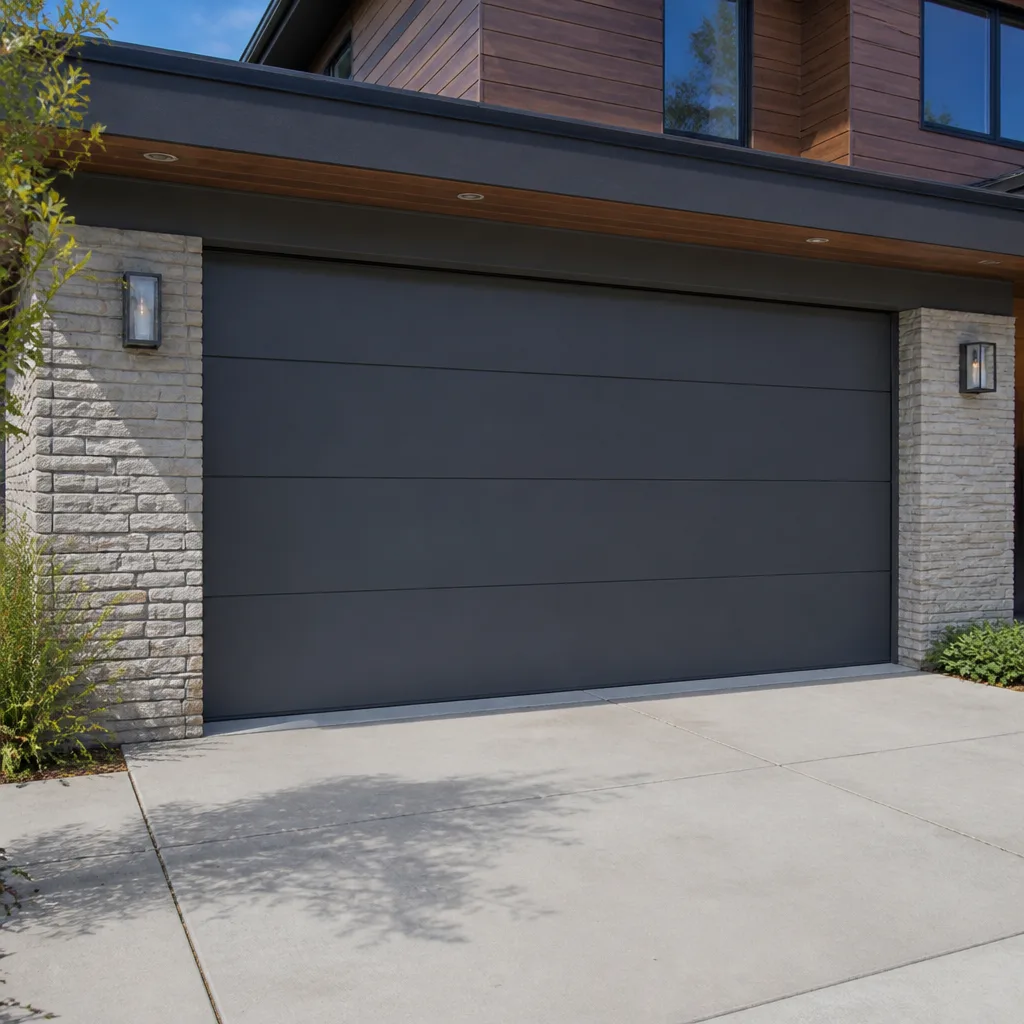 Modern flush
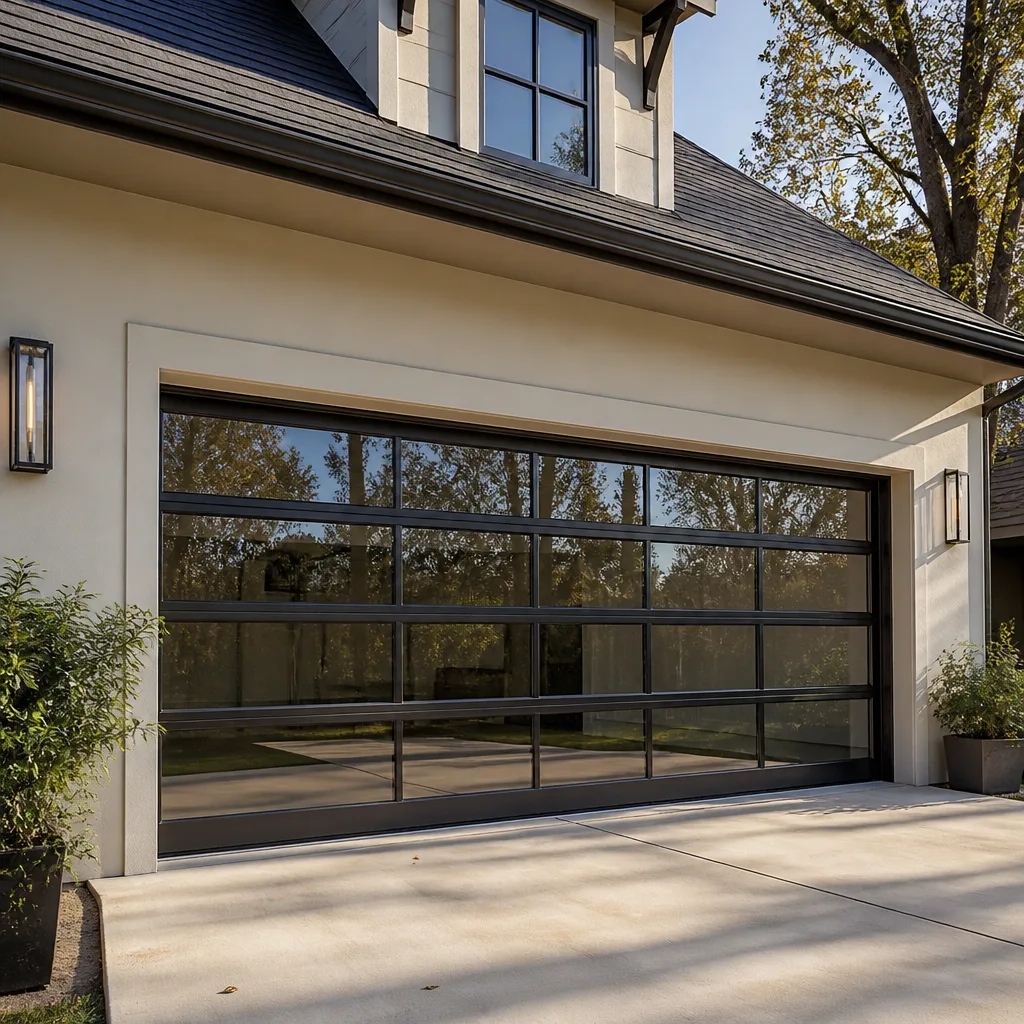 Full-view glass
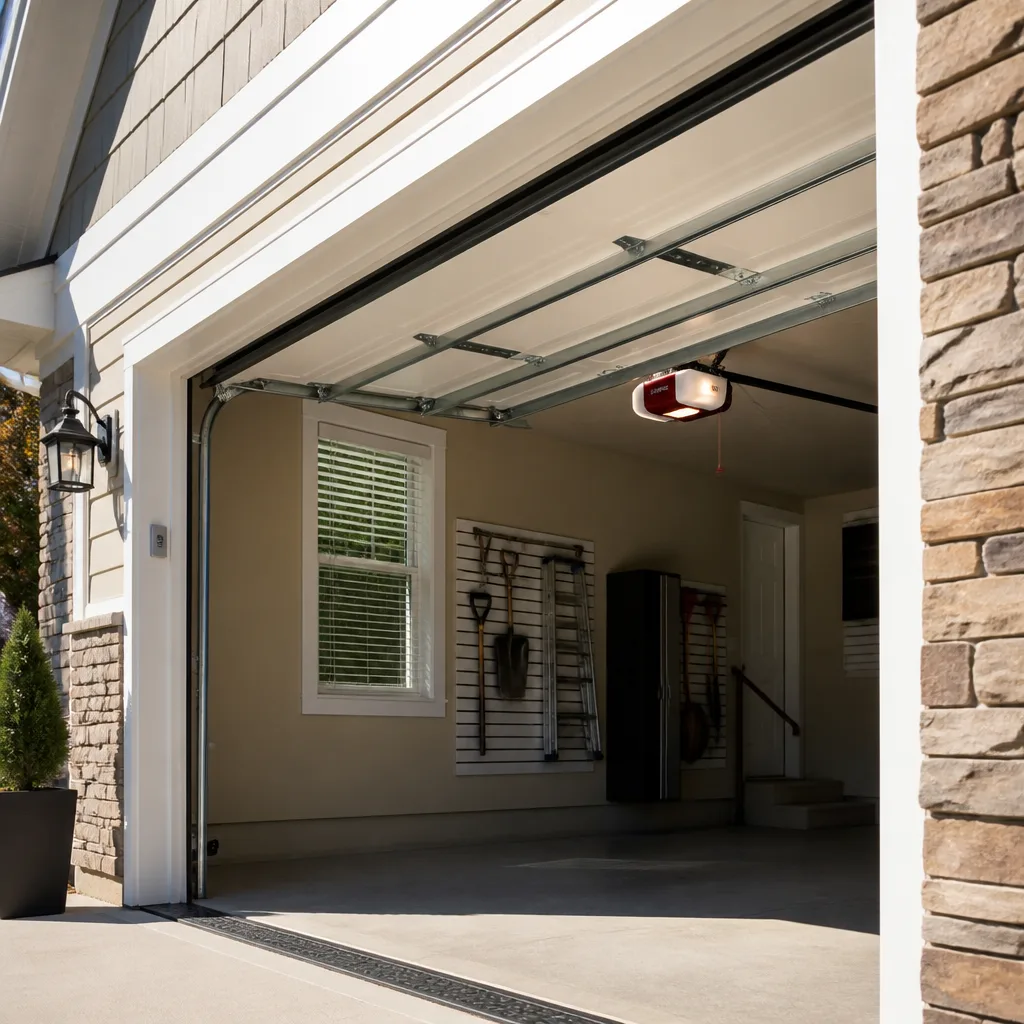 LiftMaster openers
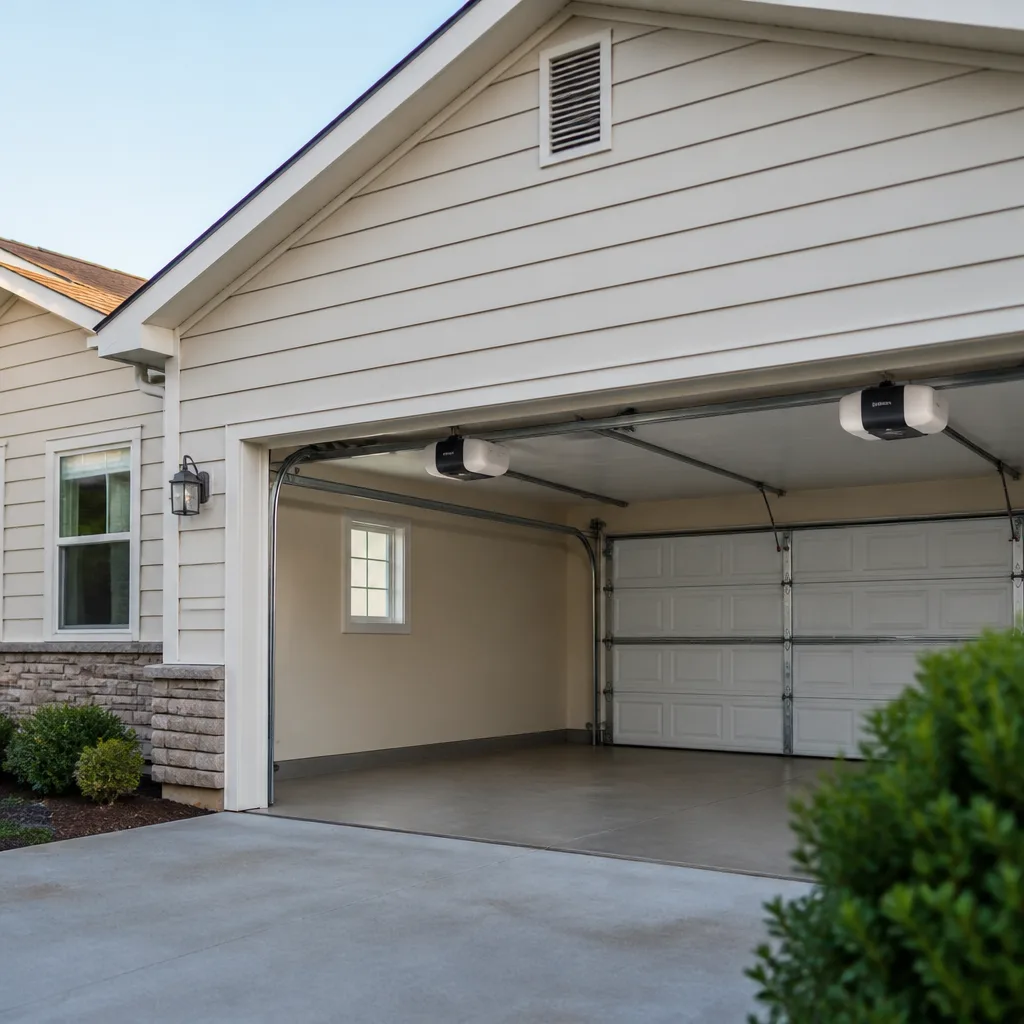 Chamberlain openers
Full 25-point door and opener safety check with every visit - springs, cables, rollers, tracks, and your LiftMaster or Chamberlain opener included
You get a price before we start. It does not change when the pro arrives.
Get your free estimateGarage Door Emergency Preparedness Guide for Kensington Homes
Most homeowners believe a garage door emergency means calling someone and waiting. The harder truth is that the first ten minutes decide whether you have a manageable repair or a security problem on your hands. A stuck door in Kensington can leave a home open to the street, trap a vehicle, or put a spring under load that nobody should touch. What follows is a protocol, not a pep talk: how to tell which of the three emergency categories you’re facing, what to do in the first few minutes of each, and what information to have ready before you call. Read it once now, while nothing is wrong, and you’ll make better decisions when something is.
Quick Answer
Garage door emergencies in Kensington fall into three categories: security failures (the door won’t close or is stuck open), structural failures (a broken spring or snapped cable), and power or opener failures (no response from the motor). Each calls for a different first move, but the universal rule is the same: don’t force the door by hand while a spring or cable is compromised, and don’t pull the manual release cord unless you know which opener type you have and how its trolley disconnects. For anything involving springs, cables, or a door stuck open overnight, call a dedicated garage door technician rather than a general handyman.
Styles & brands we work with
- Raised-panel steel
- Carriage house
- Modern flush
- Full-view glass
- LiftMaster openers
- Chamberlain openers
Table of Contents
- The Three Categories of Garage Door Emergency
- How to Use the Manual Release Cord Safely
- How to Temporarily Secure a Door That Won’t Close
- When a Vehicle Is Trapped Inside With No Power
- Security Protocol for a Door Stuck Open Overnight
- What to Tell a Technician When You Call
- Kensington Homes: Older Doors, Tighter Lots, Real Constraints
- Preventive Checks That Head Off Most Emergencies
The Three Categories of Garage Door Emergency
Before you touch anything, work out which category you’re in. The response differs enough that getting it wrong makes things worse.
Security failures are doors that won’t close or are stuck open. The door itself may be mechanically fine; the opener, sensor, or track is the problem. Your priority is securing the opening, then fixing the cause. Most of these are resolved the same day.
Structural failures are broken springs, snapped cables, or bent track. These are the dangerous ones. A torsion or extension spring holds enormous stored force, and a cable under tension can whip when it lets go. Do not try to lift, prop, or “help” a door in this state by hand. Call a specialist.
Power and opener failures are doors that simply won’t respond: the motor hums but nothing moves, the remotes are dead, or the opener lost power. These are usually the least dangerous and the most fixable, and often the manual release is your answer.
Knowing which category you’re in shapes everything from what you say on the phone to whether you touch the door at all. In our experience, the calls that go smoothest are the ones where the homeowner has already figured out roughly what’s wrong before dialing.
How to Use the Manual Release Cord Safely
The manual release cord is the small cord hanging from the opener trolley, and it exists so you can disengage the door from the motor and move it by hand. Used correctly, it lets you get a car out or close a door after a power failure. Used incorrectly, it’s the most common way a manageable problem becomes a locked-out garage.
The critical rule: only pull the release when the door is fully closed. If you pull it while the door is open or partway up, the door’s weight is no longer held and it can slam down hard, and re-engaging the trolley afterward becomes far harder. That’s the mistake that turns a stuck door into a damaged one.
Here’s how it goes with the three most common opener types:
- Chain or belt-drive with a trolley carriage (most Genie and LiftMaster units): With the door fully closed, pull the cord straight down and slightly toward the door until it clicks. The carriage releases from the trolley. Lift the door gently by hand to confirm it moves freely, then lower it fully before you let go.
- Screw-drive openers: Same principle, but the release is a lever or cord on the carriage. Confirm the door is fully down, pull firmly, and test the door’s balance by hand before opening it more than a foot.
- Jackshaft or side-mount openers (common on Wayne Dalton doors with torsion systems): The release is on the side of the opener, not the ceiling. It disengages the drive, but the door still relies on its torsion system to stay balanced. If the door feels heavy at all, stop and call a technician; something else is wrong.
After any manual release, re-engaging means closing the door fully and pulling the cord back toward the opener until it snaps into the carriage. If it won’t re-engage, don’t force it. A quick call to a garage door specialist sorts it out.
How to Temporarily Secure a Door That Won’t Close
When a door won’t close after a cable or spring failure, the goal is to secure the opening without making the mechanical problem worse. Do these in order:
- Stop pressing the button. Repeatedly cycling a door with a broken cable or spring puts more strain on the remaining components and can bend the track.
- Block the opening from inside. Slide a heavy object against the inside of the door only if the door is stable and sitting in its tracks. Never prop a door that is hanging crooked or off its track.
- Check the sensors and the photo-eye alignment. A door that reverses immediately often has a misaligned or dirty safety sensor. Wiping the lenses and checking alignment is safe and sometimes fixes it in a minute.
- Look at the track. If the door is off the track, don’t push it back by hand. That’s a two-person job with the right tools and a real risk of a finger or hand injury.
- Close and lock the door from the inside if it’s stable. A manual slide bolt or a heavy bar across the inside adds security overnight without touching the opener.
If a cable is visibly snapped or hanging, or a spring is broken, treat the door as immovable. Don’t try to lift it. That is the point where a professional call is the only safe move, and garage door repair from a specialist who works on springs and cables daily is what you want.
When a Vehicle Is Trapped Inside With No Power
A power failure with a car inside the garage is a common call, and the fix is usually simple if you know the sequence. First, confirm the garage door opener is actually without power: check the wall outlet the opener plugs into and the breaker panel. Sometimes the “power failure” is a tripped breaker, and resetting it restores the opener with no further work.
If the power really is out, use the manual release. With the door fully closed, pull the release cord to disengage the trolley, then raise the door by hand. A balanced door should lift with moderate effort; if it feels heavy or won’t stay up, don’t force it. Get help or call a technician rather than straining a door that may have a weakening spring.
If the opener has power but the door won’t move, the problem is mechanical or electronic, not the power supply. Check the wall control and the remotes, then the safety sensors. If nothing responds, the opener’s logic board or motor may have failed, which is a job for garage door opener repair rather than a handyman. When you call, mention the opener brand if you know it; we’re set up to service Genie and LiftMaster units, among others, and knowing the brand up front speeds diagnosis.
Security Protocol for a Door Stuck Open Overnight
A garage door stuck open overnight in a dense neighborhood is a security problem before it’s a repair problem. The priority is closing the opening, not diagnosing the door at midnight. Work through this sequence:
- Clear the opening. Move anything valuable out of sight of the open garage, including tools, bikes, and anything a passerby could grab.
- Check whether the door can be manually closed. If the door is on its track and balanced, use the manual release (door fully closed rule applies for re-engaging later) or close it by hand and secure it with an inside slide bolt or bar.
- If the door is off-track or a spring is broken, don’t force it. Instead, block the opening from inside with a vehicle if you have one available, or a heavy barrier, and secure the pedestrian door between the garage and the house.
- Lock the interior door. The door from garage to house should be locked as a second line of defense.
- Book the repair for first thing. Call (833) 439-5277. We answer 24/7, and a technician is dispatched Sunday through Friday, 7am to 7pm.
In Kensington’s tighter lots, an open garage is visible from the street and easy to walk into. Getting it closed or blocked off is the priority; the repair follows.
What to Tell a Technician When You Call
The information you give on the phone determines how fast the technician can diagnose and fix the problem. Have these details ready before you dial:
- The door’s symptom: won’t open, won’t close, reverses immediately, opens partway and stops, or makes a loud noise.
- The door type and material if you know it: sectional steel, wood, or aluminum, and roughly how wide and tall.
- The opener brand and model if visible on the unit. We’re factory-trained to work on LiftMaster, Chamberlain, Genie, Clopay, Amarr, Wayne Dalton, Craftsman, and Raynor, so naming the brand helps us arrive prepared.
- What you’ve already tried: manual release, sensor cleaning, breaker reset, remote battery change.
- Whether anything is visibly broken: a snapped cable, a hanging spring, or a bent track.
- Whether the door is currently open or closed and whether the opening is secured.
Give us this and we can often tell you whether it’s a same-day fix or needs a part ordered. Our technicians have up to 10 years of experience and work on garage doors only, so the diagnosis starts from a deep baseline rather than a generalist’s guess.
Kensington Homes: Older Doors, Tighter Lots, Real Constraints
Kensington’s housing stock skews older, and that shapes garage door emergencies here. Many homes have original sectional doors with extension spring systems, which operate differently from the torsion systems on newer builds and need a technician who knows both. Older openers are more prone to logic board failures and worn gears, and the tighter lots mean a door that’s stuck open is more exposed to the street than it would be on a larger suburban property.
Weather matters too. Cold snaps put stress on springs and cables, and the freeze-thaw cycles common in this part of Pennsylvania work metal parts harder than a milder climate would. That’s one reason spring failures spike in the colder months. If your door is older and you hear a sharp bang from the garage, a spring has likely let go, and it’s a job for a specialist, not a general handyman.
Zoning and permit questions for a full replacement vary by municipality, so if you’re weighing a new door versus a repair, ask your city’s building department what the local code requires. For most emergencies, repair is the right call, and it’s what we focus on. When a door is beyond economic repair, garage door installation is the next step, and that work is measured, ordered, and scheduled rather than rushed.
Preventive Checks That Head Off Most Emergencies
Most garage door emergencies don’t happen without warning. A few minutes of checking a month catches the early signs. Here’s what to look at:
- Listen for new noises. A grinding, squealing, or popping sound during operation is a warning. Lubricate the rollers, hinges, and springs with a garage-door lubricant, not WD-40.
- Test the balance. With the door closed and the opener disengaged, lift the door halfway by hand. It should stay put. If it drifts down or feels heavy, the springs are weakening.
- Check the safety sensors. Confirm the photo-eye lenses are clean and aligned; a door that reverses at the floor is often a sensor issue.
- Look at the cables and springs. Frayed cables or a visible gap in a spring mean it’s time to call before something breaks.
- Test the manual release. Once a year, confirm the release cord pulls and re-engages cleanly, so it works when you need it.
Catching a weakening spring before it snaps turns an emergency into a scheduled repair. That’s a better outcome for everyone, and it’s the kind of preventive habit worth building into a Kensington homeowner’s routine. If you’d rather have a trained eye look at it, a free estimate is the fastest way to know where you stand.
Common Mistakes to Avoid
- Pulling the manual release while the door is open. This is the single most common way a stuck door becomes a slammed one. The door’s weight is held by the opener; releasing it while raised lets it drop. Always release with the door fully closed.
- Forcing a door with a broken spring or cable. A door in this state can be dangerously heavy and unpredictable. Don’t lift it by hand; call a technician.
- Repeatedly pressing the opener button. Cycling a door with a mechanical fault strains the motor and can bend the track, turning a smaller repair into a bigger one.
- Letting a door stay open overnight in a dense neighborhood. In Kensington’s tighter streets, an open garage is easy to walk into. Block or close the opening the same night.
- Calling a general handyman for a spring or cable job. These are high-risk repairs that need a dedicated garage door technician with the right tools and training.
- Ignoring early warning noises. A grinding or popping sound is cheaper to fix now than after a failure. Address it with a maintenance check.
- Assuming a dead opener is a dead door. Often it’s a tripped breaker, a dead remote battery, or a misaligned sensor. Check the simple causes first.
See the difference
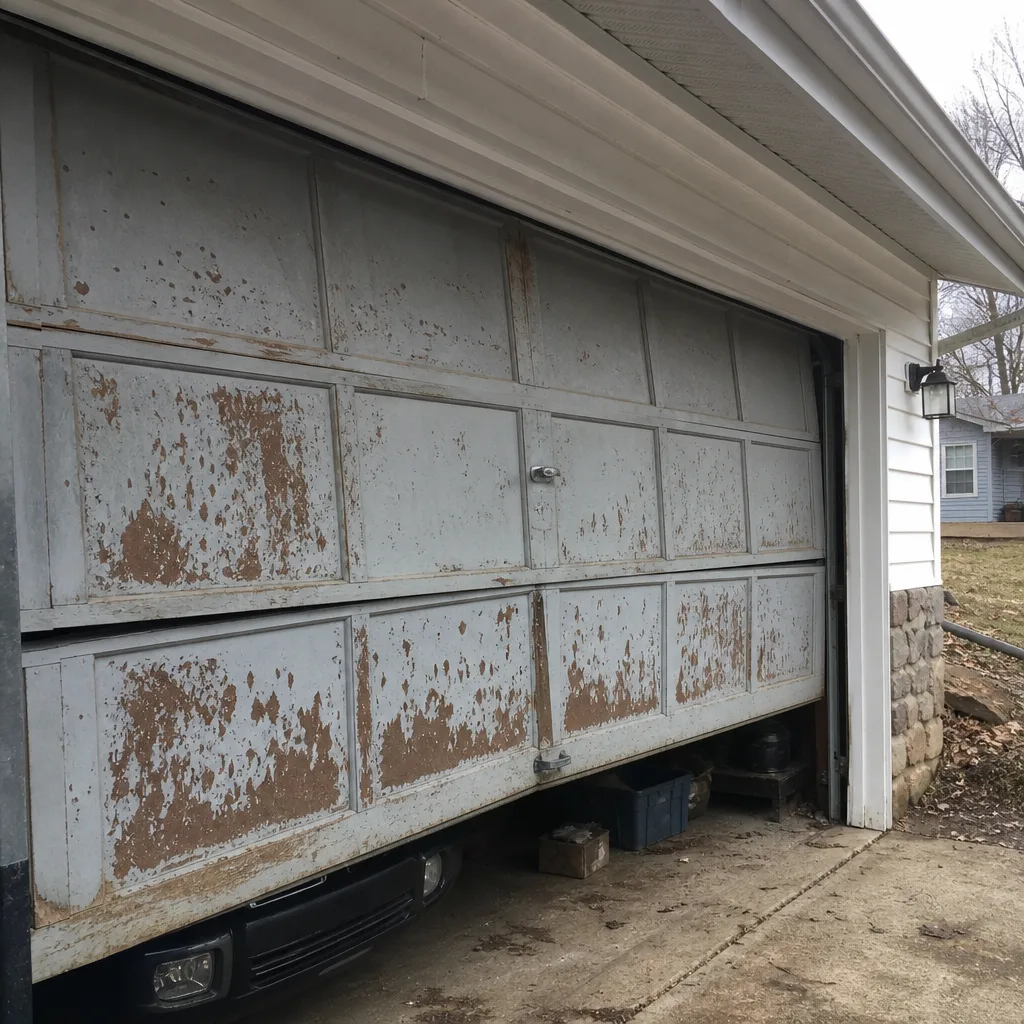 Before
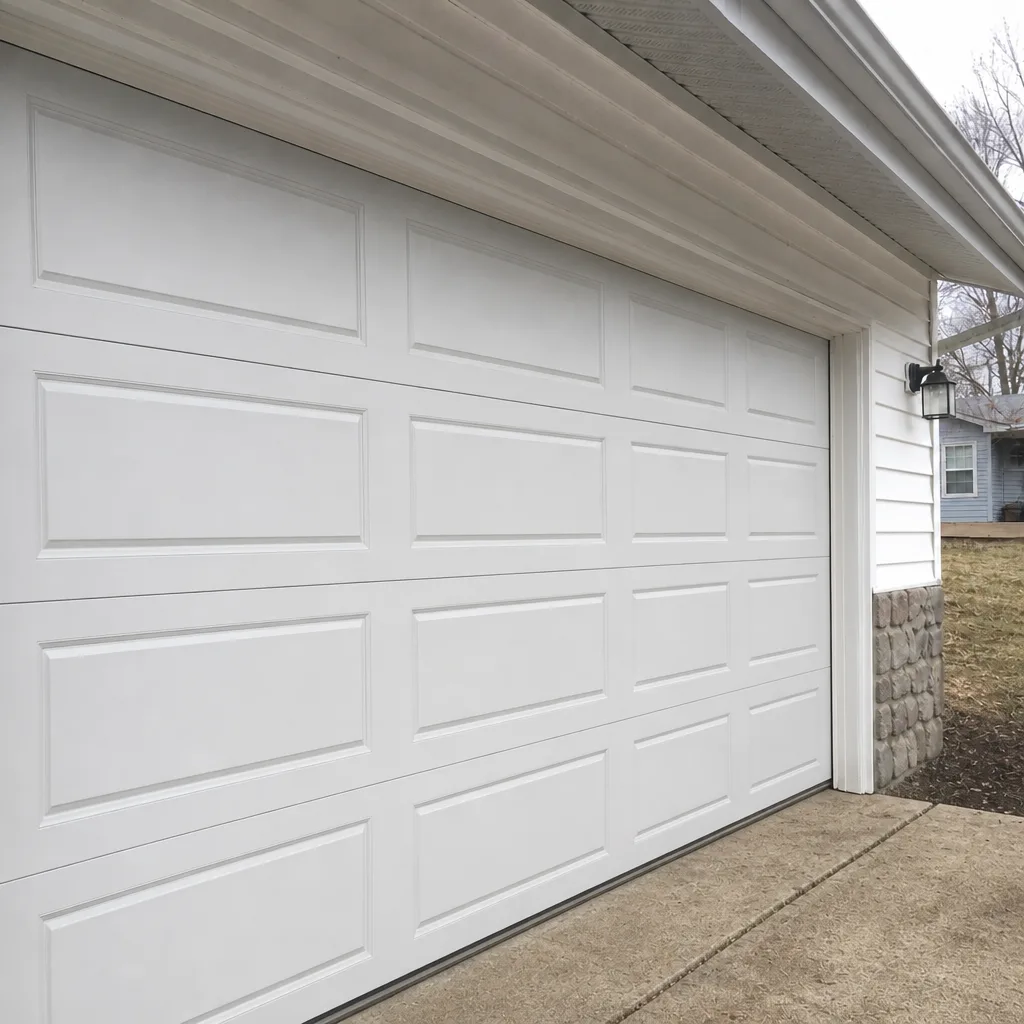 After
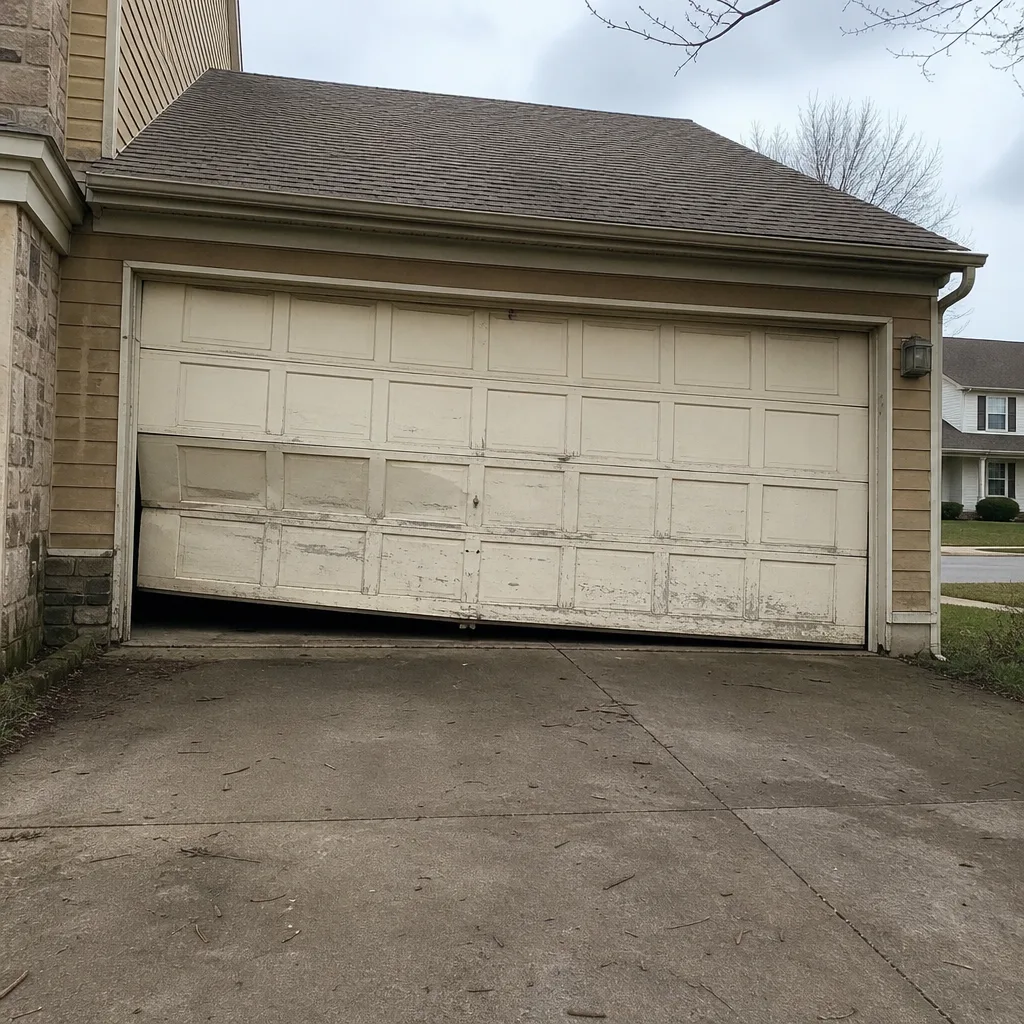 Before
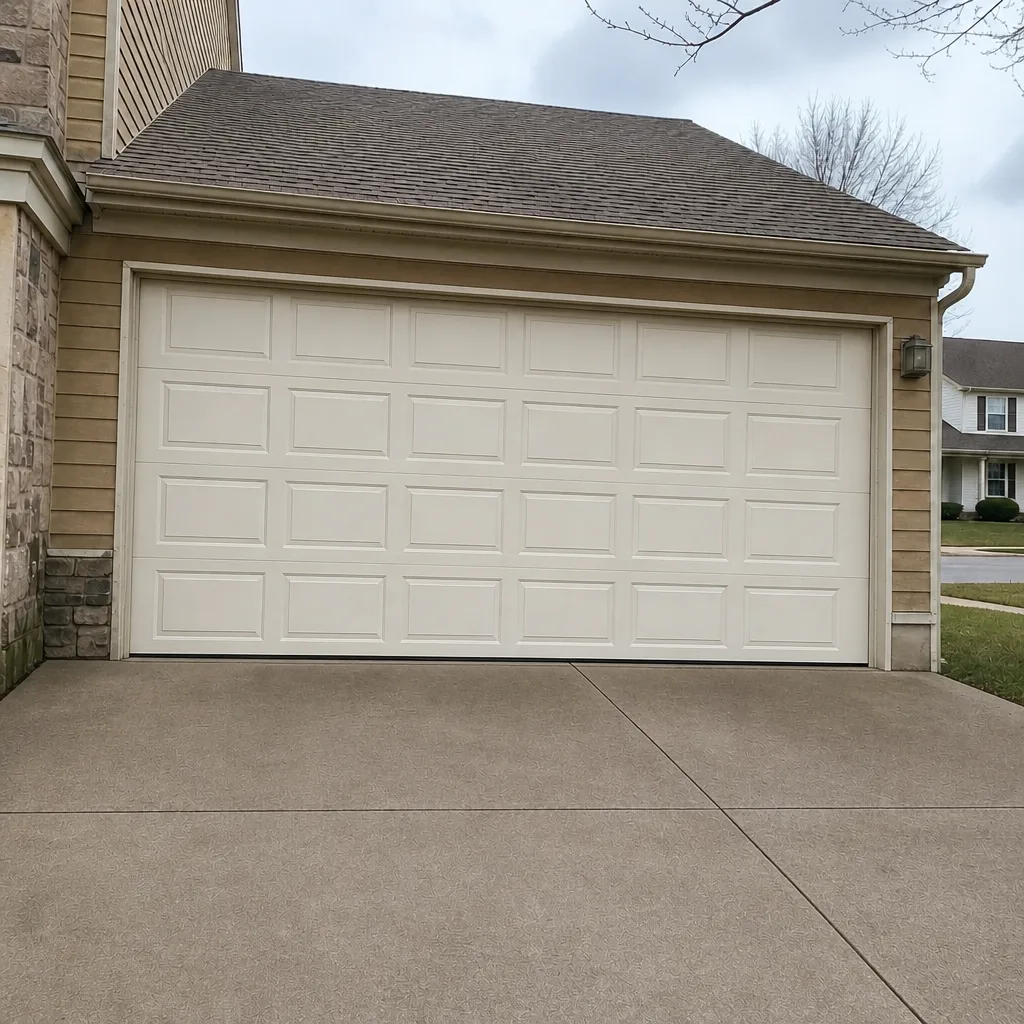 After
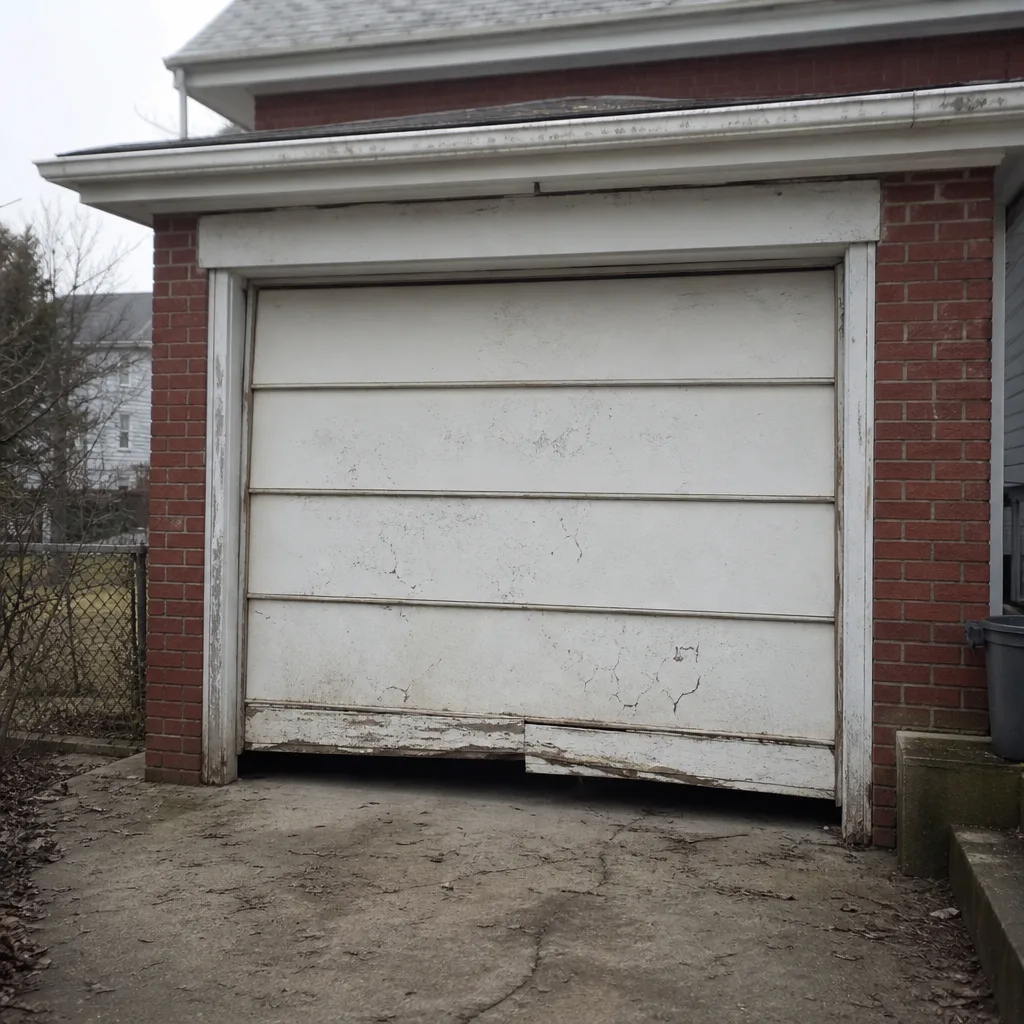 Before
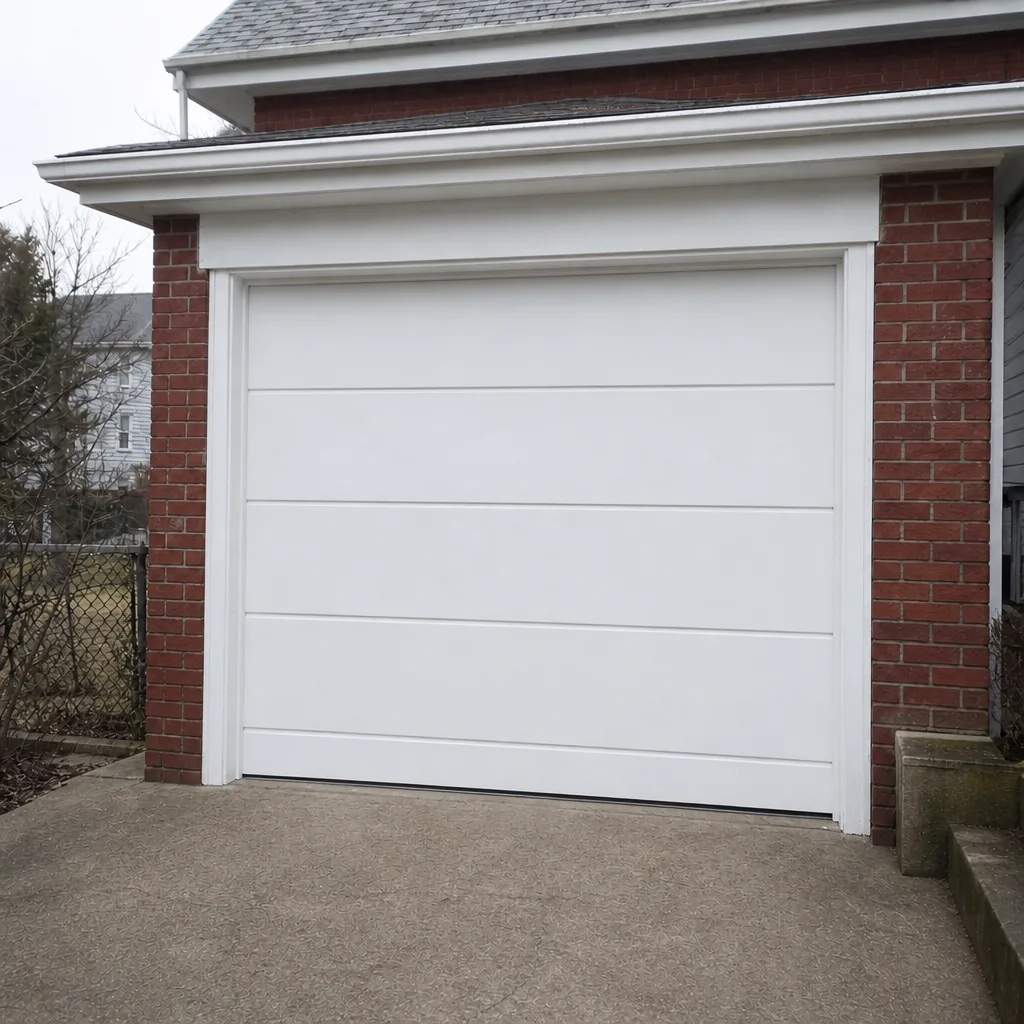 After
When to Call a Professional
Call a professional the moment a spring breaks, a cable snaps, or the door comes off its track. Those are the jobs where the danger is real and the consequences of forcing things are worst. Call us too when a door won’t close and you can’t secure it safely, when an opener has power but won’t respond, or when a vehicle is trapped and the manual release doesn’t fix it. Garage Door Repair Kensington offers free estimates in Kensington, and we quote the price before any work starts, so you’re never surprised by the invoice. Our technicians work on garage doors only, not general home repair, and we’re factory-trained to service products from eight major brands. Call (833) 439-5277 and we’ll get you scheduled.
Frequently Asked Questions
Cost depends on what failed: a spring, a cable, an opener, or the track. You’ll get a free estimate and a written price before any work begins, so the number is settled up front rather than after the job. Call (833) 439-5277 for an exact quote.
In many cases, yes. We answer 24/7, and a technician is dispatched Sunday through Friday, 7am to 7pm. A door stuck open or a failed opener is the kind of problem we prioritize, so call and we’ll tell you what’s available.
Only when the door is fully closed. Pulling the release while the door is open lets the door drop and can leave the trolley disengaged, which is harder to fix. With the door fully down, the release is the safe way to move it by hand.
No. A door with a broken spring or cable is extremely heavy and can fall unpredictably. Don’t lift it or prop it by hand. Call a technician, and if the opening needs securing overnight, block it from inside with a barrier and lock the interior door.
We’re factory-trained to service LiftMaster, Chamberlain, Genie, Clopay, Amarr, Wayne Dalton, Craftsman, and Raynor. Naming the brand when you call helps us arrive prepared. If you’re not sure, check the label on the opener unit.
No. We answer 24/7, and a call outside dispatch hours is booked into the next opening, Sunday through Friday, 7am to 7pm. The price is set per job by the written estimate, not by the time of day. Call (833) 439-5277 and we’ll quote it.
The Bottom Line
Garage door emergencies are easier to handle when you’ve planned for them. Know which of the three categories you’re in: security failure, structural failure, or power failure. Pull the manual release only when the door is fully closed. Never force a door with a broken spring or cable. If a door is stuck open overnight in Kensington, block or close the opening the same night, then book the repair. Have your door and opener details ready when you call. And remember that a dedicated garage door specialist, not a general handyman, is the right call for anything involving springs, cables, or a door that won’t respond. Call Garage Door Repair Kensington at (833) 439-5277 for a free estimate. We answer 24/7. Fast dispatch from 7am to 7pm, Sunday through Friday.
Written by the team at Garage Door Repair Kensington.