
Last updated November 21, 2026
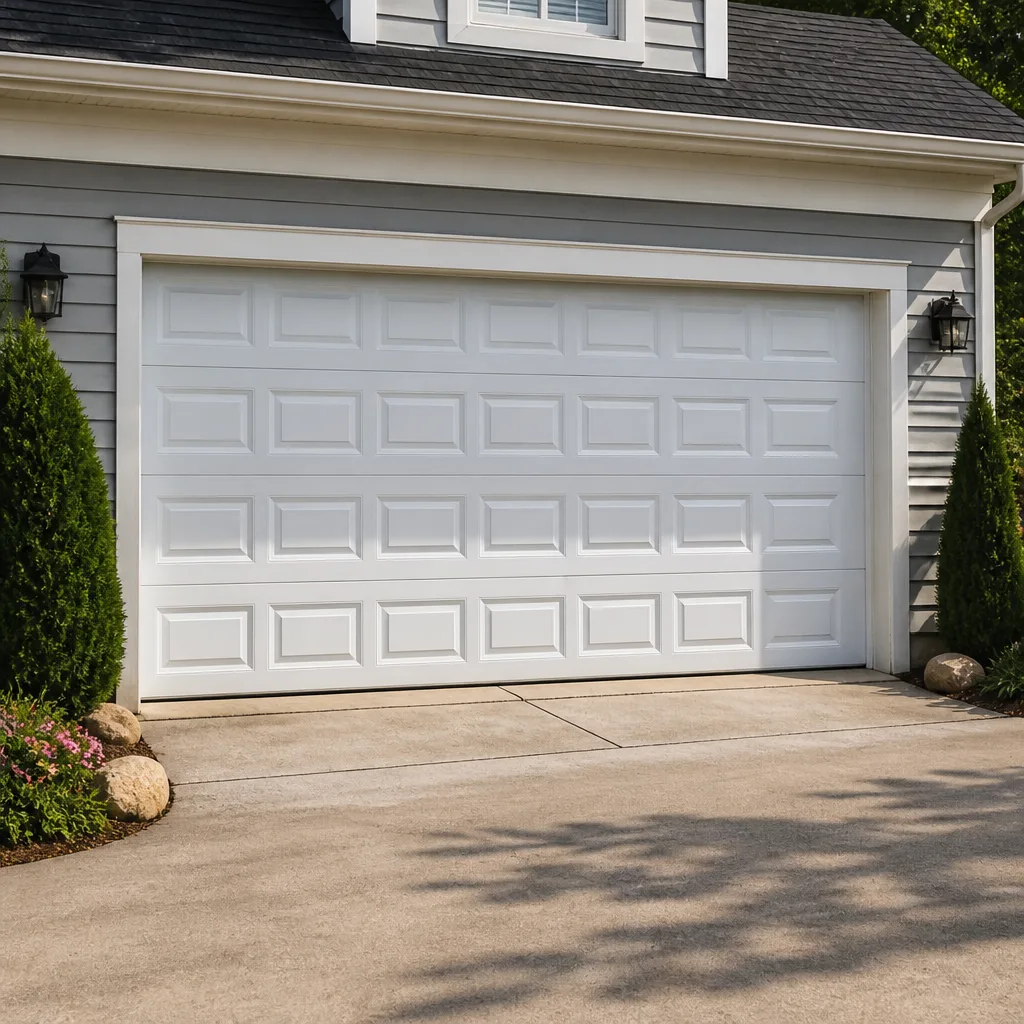 Raised-panel steel
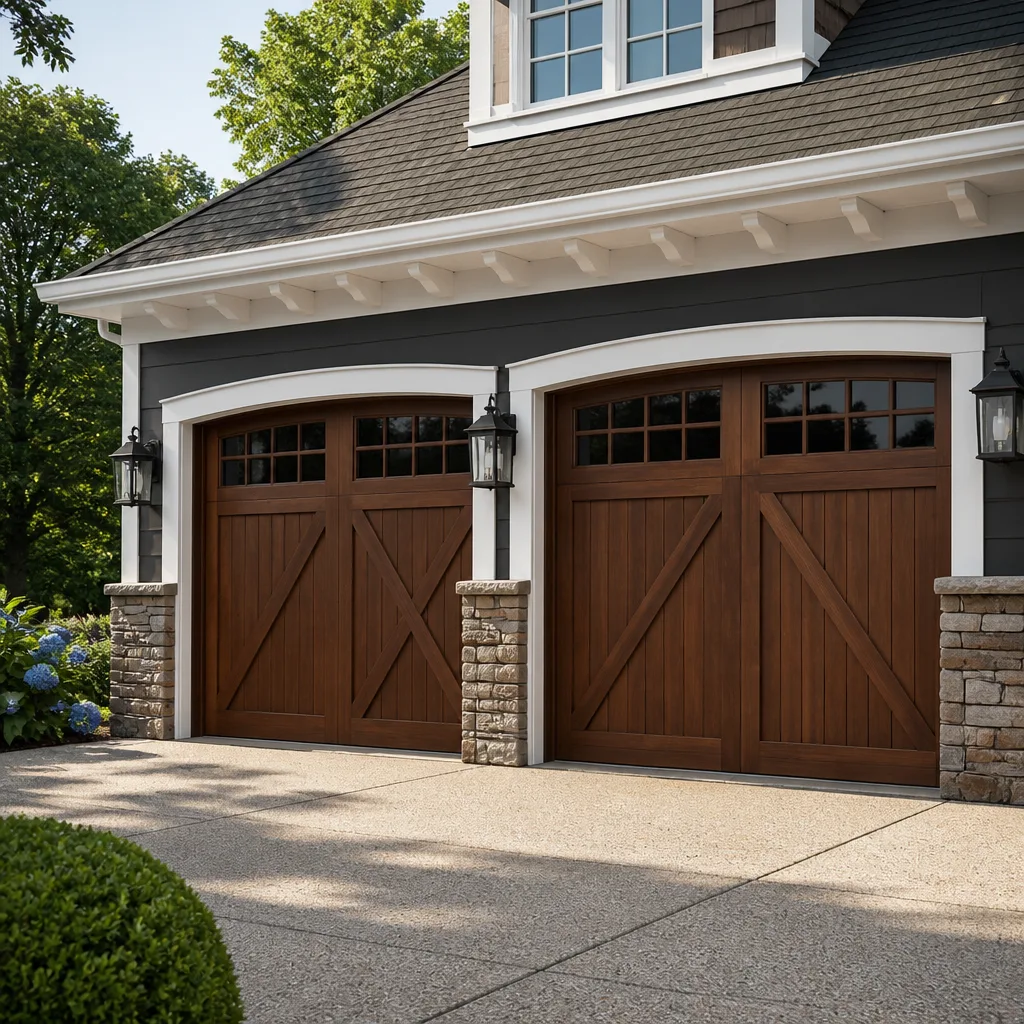 Carriage house
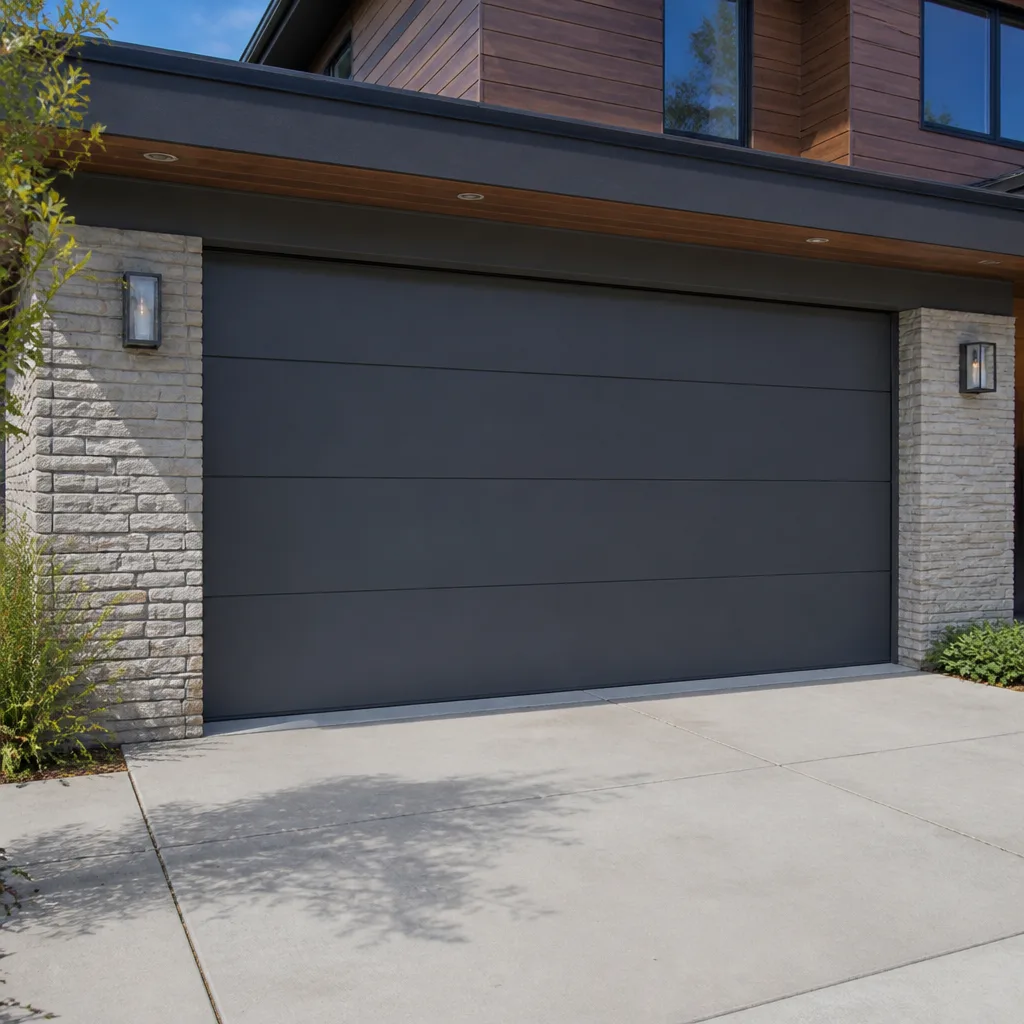 Modern flush
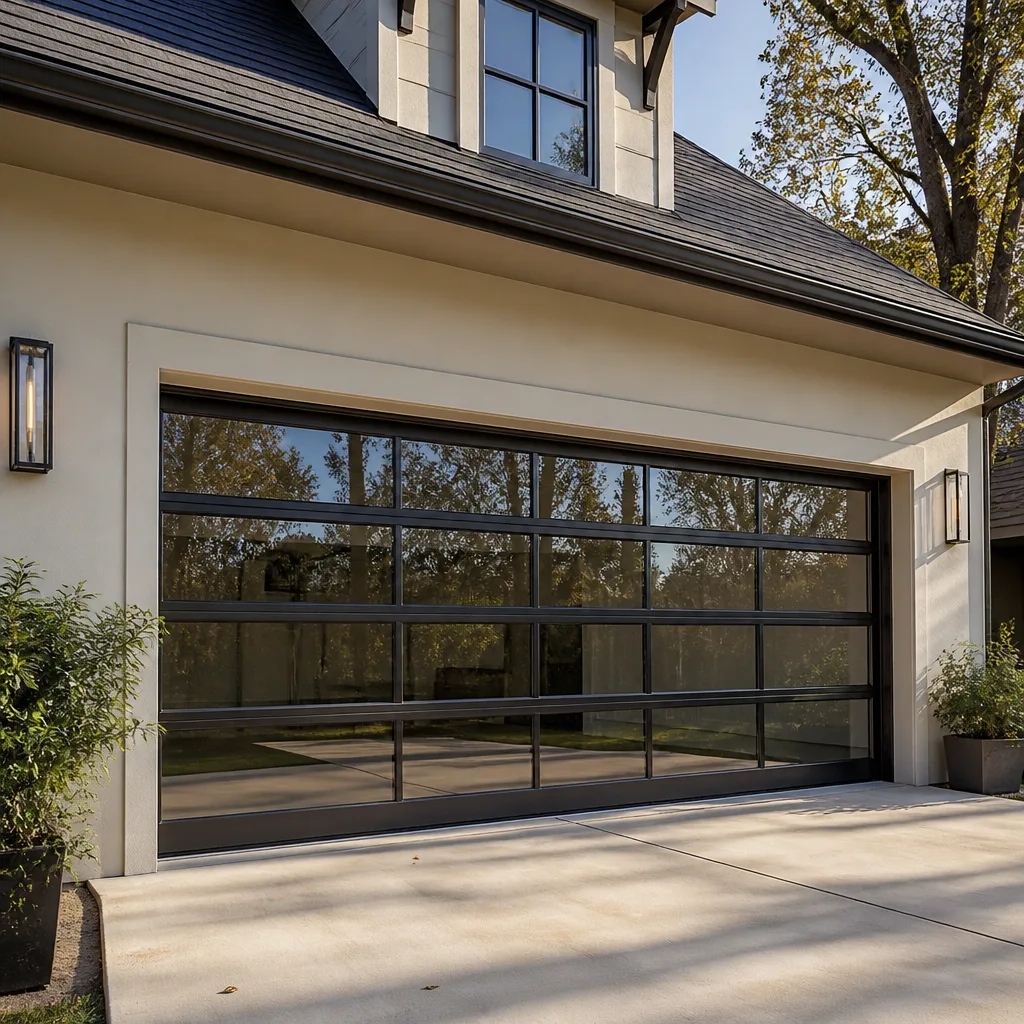 Full-view glass
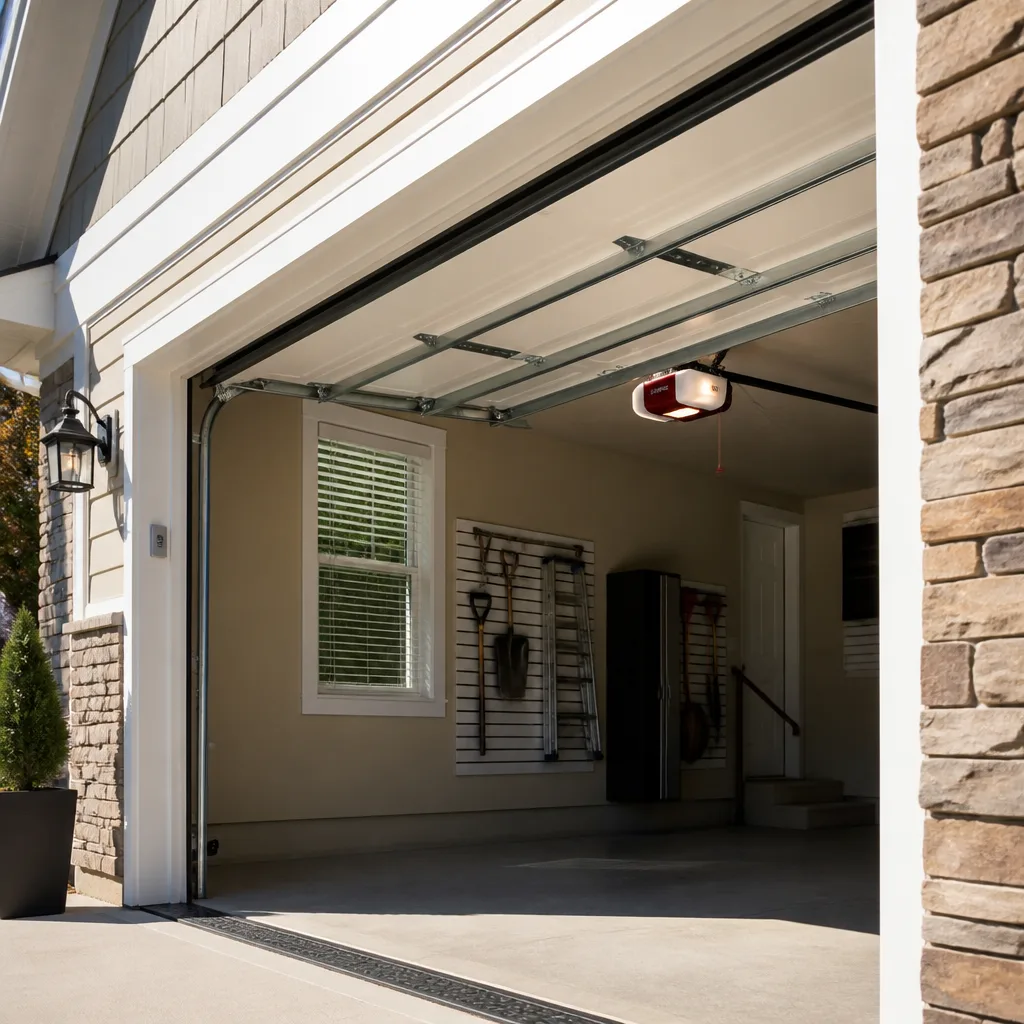 LiftMaster openers
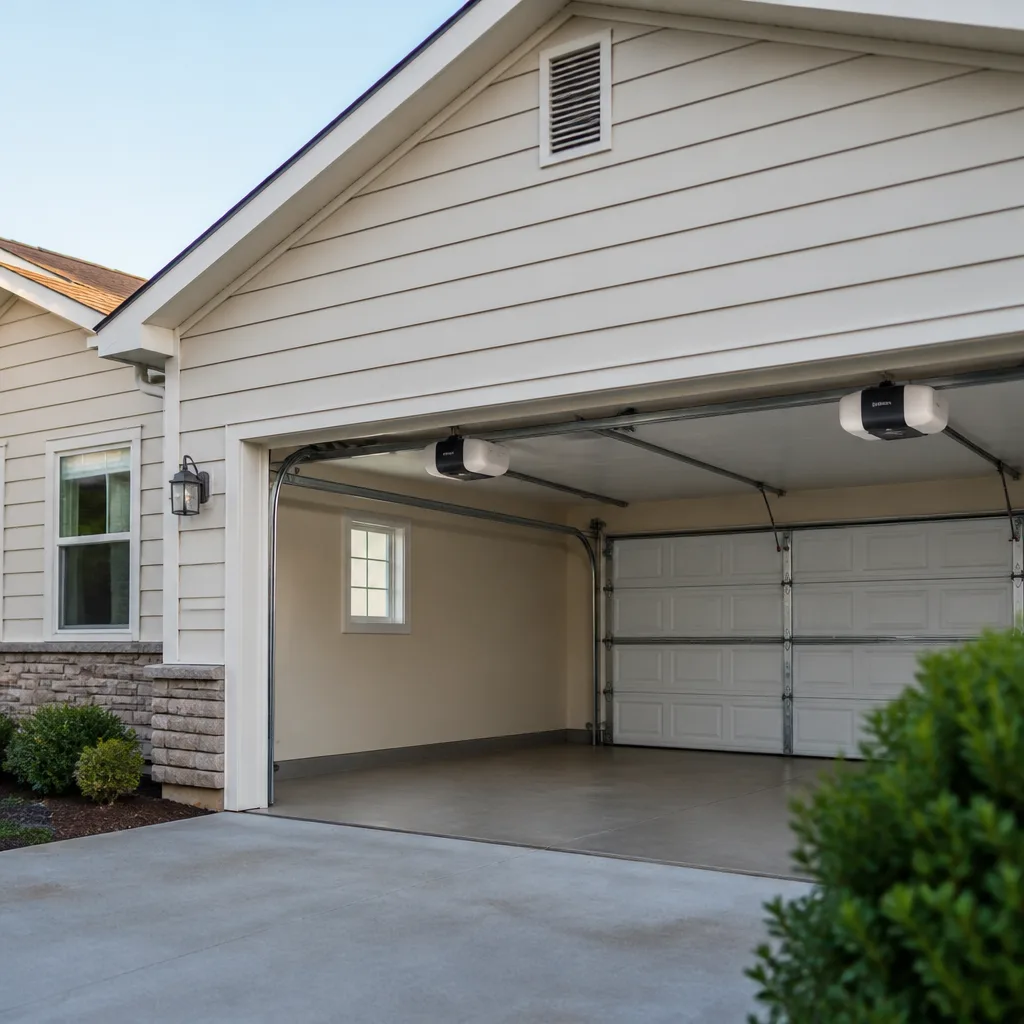 Chamberlain openers
Full 25-point door and opener safety check with every visit - springs, cables, rollers, tracks, and your LiftMaster or Chamberlain opener included
You get a price before we start. It does not change when the pro arrives.
Get your free estimateGarage Door Repair Maintenance Schedule: What to Do and When
If you’ve been told to “lubricate your garage door every six months,” you’ve been given a schedule designed for a brochure, not a door that opens 1,500 times a year through a Pennsylvania winter. Calendar-based maintenance ignores the two things that actually wear a door out: how often it cycles and how hard the seasons push back. A door in Kensington that gets four cycles a day and a door in a quieter household that gets one are not on the same clock, and treating them the same is how springs fail early and weatherstripping gets replaced while it still had life in it. This guide lays out a condition-based schedule tied to usage cycles, seasonal stress, and the parts that degrade on different timetables. You’ll learn what to check monthly, what changes before winter, and what to leave to a specialist.
Quick Answer
Garage door maintenance should be driven by cycle count and seasonal stress rather than fixed dates: check balance and hardware monthly, lubricate moving metal parts based on how often the door runs (roughly every 3 to 6 months for a heavily used door), prep seals, sensors, and springs before the first hard freeze, and replace weatherstripping and rollers on a time schedule while treating springs and cables as wear items tied to use. Torsion and extension springs, cables, and any high-tension hardware belong to a trained technician, not a homeowner with a ladder.
Styles & brands we work with
- Raised-panel steel
- Carriage house
- Modern flush
- Full-view glass
- LiftMaster openers
- Chamberlain openers
Table of Contents
- Why Usage Cycles Beat a Calendar
- The 60-Second Monthly Balance Test
- Parts That Age on Time vs. Parts That Wear on Use
- Pre-Winter Prep for a Kensington Door
- What to Lubricate and How Often
- Safety Systems: Sensors, Reverse Test, and Cables
- What to Document After Every Service Visit
- A Seasonal Rhythm for the Whole Year
Why Usage Cycles Beat a Calendar
A garage door is a machine measured in cycles. One cycle is one full open and one full close. A household that leaves for work, comes home for lunch, and runs an errand in the evening can easily hit six cycles a day, while a household that parks and stays put might see one or two. Over a year that gap is the difference between roughly 500 cycles and well over 2,000. Springs, cables, rollers, and hinges all take their punishment per cycle, not per month. That is why a schedule anchored to dates alone tells you almost nothing about whether your door is due for service.
The practical move is to estimate your own cycle count and set intervals against it. Here’s how to work it out:
- Count how many times your door opens and closes on a typical weekday. Remember each open-plus-close is one cycle, and a door that opens once to let a car out and once to let it back in is two cycles, not one.
- Do the same for a typical weekend day.
- Multiply weekday cycles by five and weekend cycles by two, then add them for a weekly total.
- Multiply by 52 for your annual load.
That number tells you how aggressively to inspect. A door logging under 1,000 cycles a year can follow a lighter inspection rhythm. A door logging 2,000 or more cycles is working hard and should be looked at more often, with rollers and hinges checked and lubricated on the shorter end of any interval. In a Kensington household with two working drivers, the higher figure is far more common than people expect. Knowing your number is what turns a vague “get it serviced sometime” into a real plan. If your door has never been serviced and you’re unsure where it stands, a garage door repair visit can establish a baseline you can schedule against.
The 60-Second Monthly Balance Test
The single most useful thing you can do for your door takes under a minute and can flag a failing spring two to three months before it lets go. A torsion spring loses tension gradually as it fatigues, and a door that’s no longer balanced will show it long before it snaps. Here’s the test:
- Close the door and pull the opener’s manual release cord so the door is disconnected from the motor and moves by hand only.
- Lift the door about halfway up, to roughly waist height, and let go.
- Watch what it does. A balanced door holds roughly where you left it. A door that sags under its own weight or drops to the floor is telling you the springs are losing their lift.
- Reconnect the opener by running it until it re-engages the trolley, then test it normally.
A door that won’t hold position may still open and close under motor power, which is exactly why this test matters. The motor masks the problem right up until it can’t. If your door sags, drifts down, or feels noticeably heavier than it did a few months ago, that’s the window to book a spring inspection. Catching a weakening spring before it fails means a planned visit instead of a door stuck in the open position on a cold morning. Springs are dangerous and should be left to a specialist, so this test is about observing the door’s behavior, not adjusting anything under tension.
Parts That Age on Time vs. Parts That Wear on Use
One of the most useful distinctions in garage door maintenance is which components degrade because time passes and which degrade because the door moves. Treating them the same leads to replacing good parts and ignoring worn ones. Here’s the split:
- Time-based parts: weatherstripping and bottom seals, which dry out, harden, and crack with age and sun exposure regardless of how often the door moves; the plastic rollers on older doors, which develop flat spots from sitting; and paint or finish on steel doors such as Clopay and Amarr models, which fades over the years.
- Use-based parts: torsion and extension springs, which are rated in cycles and wear out according to how often the door runs; cables, which fray from repeated tension and movement; hinges and bearings, which wear at pivot points cycle by cycle; and the opener’s gears and drive, which also accumulate wear per use.
The distinction matters because it tells you what to look at when. A door that barely gets used can still have cracked weatherstripping and stiff rollers, because those parts aged while the door sat still. And a heavily used door can have fresh-looking seals but springs well into their service life. When you plan maintenance in Kensington, split your checklist into these two columns and you’ll catch the right things at the right time. If time-based parts like seals and rollers are past their prime, a round of repairs can address them together with any use-based wear found in the same visit.
Pre-Winter Prep for a Kensington Door
Kensington winters put a specific kind of stress on a garage door, and the prep that matters most happens in the weeks before the first hard freeze. Cold changes how metal, rubber, and sensors behave, and the door that worked all fall can start acting up on the first sub-freezing morning. Here’s what to address before winter:
- Seal compression: Cold hardens rubber weatherstripping, so a seal that sat flat and snug in mild weather can stiffen and leave gaps. Check along the bottom and sides for daylight or drafts, and replace seals that have lost their give. A proper seal keeps cold air, snow, and pests out.
- Sensor alignment drift: Frost heave shifts the ground and can move the brackets that hold the safety sensors at the base of the tracks. A tiny shift can break the beam and leave the door refusing to close. Test the sensors before winter and realign any that have drifted.
- Cold-weather spring tension: Torsion springs behave differently in cold, and a spring already near the end of its life is more likely to fail in the cold than in mild weather. If your monthly balance test has been showing sag, winter is not the time to wait.
- Track and hardware check: Look for loose bolts and any track that has shifted, since temperature swings and ground movement can knock things out of line.
Handling this prep in October or early November beats discovering a problem on a morning when you need to leave. If you’d rather have a trained eye go over the door before the season turns, our garage door repair team can check seals, sensors, and springs in one visit.
What to Lubricate and How Often
Lubrication is where the “every six months” advice fails most often, because the right interval depends on your cycle count and the wrong products can do harm. The goal is to keep metal moving against metal smoothly without attracting grit or gumming up. Here’s the approach:
- Set your interval by use. A door running 2,000-plus cycles a year wants lubrication roughly every three months. A lightly used door can stretch to every five or six months. Let your cycle math from earlier set the rhythm.
- Use a garage-door-specific lubricant or white lithium grease. Avoid household oil and especially avoid spraying anything on the tracks, which collects dust and grime.
- Apply to hinges, rollers (the metal stems, not the track), the torsion spring coils lightly, and the bearing plates. A little goes a long way.
- Wipe away excess so dust doesn’t stick, and check that no lubricant has dripped onto the bottom seal.
There’s a safety line here too. Lubricating a torsion spring means being near high-tension hardware, and while a light application on the coils is generally safe, adjusting or winding anything under tension is not. Springs are dangerous and should be handled by a specialist. If a spring looks rusted, has visible gaps, or the door feels heavy, stop and call rather than work around it. The rest of the moving parts are fair game for a careful homeowner with a step stool and a rag.
Safety Systems: Sensors, Reverse Test, and Cables
Two systems keep a garage door from becoming a hazard, and both deserve a monthly look: the safety reverse and the obstruction sensors. Testing them takes a couple of minutes and catches problems that a visual inspection misses.
The reverse test: lay a piece of wood or a rolled-up towel flat on the floor in the door’s path and close the door with the opener. A properly set door should reverse on contact. If it presses down and stops without reversing, the opener’s force or travel limits need attention. Then check the sensors: with the door open, pass an object through the beam between the two sensors at the base of the tracks and see if the door refuses to close. If it closes anyway, or if a sensor light is flickering, the sensors are misaligned or dirty.
Cables are the other safety-critical part, and they’re the one to leave entirely alone. Lift cables run under heavy tension and can fray, kink, or snap. A frayed cable is a warning sign, not a maintenance task. In our experience, cable problems are often discovered during a routine visit before they cause a failure, which is exactly the point of a schedule. Our garage door opener repair service covers the opener and safety systems together, and if a new opener is in your future, garage door opener repair and replacement work can bring modern safety features into an older door. Never remove, tape over, or bypass a sensor to get a door to close. If the door won’t close because of a sensor fault, that’s a repair, not an inconvenience to work around.
What to Document After Every Service Visit
A maintenance log is the least glamorous part of a schedule and one of the most valuable. Every time a technician services your door, write down what was done. That record becomes proof if you ever file a warranty claim on parts or openers, or an insurance claim after storm or impact damage. It also tells the next technician the door’s history, which saves diagnostic time.
Here’s what to document after each visit:
- The date and your door’s approximate cycle count or cycles per day.
- What was inspected, adjusted, lubricated, or replaced, and which brand or model parts went in.
- Any parts flagged as nearing the end of their life, with the reason.
- Spring and cable condition as noted by the technician.
- The written estimate and the final invoice, kept together.
Keep the log somewhere you’ll find it, like a folder in the garage or a note on your phone. If a Clopay or Amarr door or a LiftMaster opener is under warranty, the service history is what backs up your claim. When you call for garage door repair, having that log on hand helps us understand your door before we arrive.
A Seasonal Rhythm for the Whole Year
Condition-based maintenance doesn’t mean you ignore the calendar entirely. It means you use the seasons as reminders to check the things most affected by that time of year. Here’s a rhythm that works for most Kensington doors:
- Spring: After winter, check for salt-free grime and grit in the tracks, test the balance and safety reverse, and inspect seals for winter damage. This is a good time for a full lubrication if it’s due.
- Summer: Check the door’s paint and finish, since sun exposure ages time-based parts like seals and steel finishes. Test sensors and the opener’s force settings.
- Early Fall: Do the pre-winter prep: seal compression, sensor alignment, spring condition, and hardware tightening before the first freeze.
- Winter: Keep an eye on the balance test and listen for new noises. Cold is when weakening springs show themselves, and it’s when a stuck door is most disruptive.
Layer your cycle-based intervals on top of this rhythm and you have a schedule that actually tracks your door. A lightly used Craftsman or Wayne Dalton door might only need the seasonal checks plus one lubrication a year, while a heavily used door will want more. The point is that the rhythm follows the door and the season, not a generic rule someone printed on a brochure.
Common Mistakes to Avoid
- Following a fixed six-month rule regardless of use. A door opening 2,000 times a year wears faster than the calendar suggests, while a seldom-used door may need less. Calculate your cycles and set intervals against them.
- Spraying lubricant on the tracks. Tracks should stay clean and dry; oil attracts grit that grinds the rollers. Lubricate the moving metal parts, not the track itself.
- Ignoring the balance test because the door still opens. A motor can mask a weakening spring for months. The sag you feel by hand is the early warning a motor hides.
- Skipping pre-winter sensor checks. Frost heave shifts sensor brackets, and a misaligned beam leaves the door refusing to close. Test and realign before the cold sets in.
- Adjusting springs or cables yourself. These are under extreme tension and can cause serious injury. Leave spring and cable work to a trained technician.
- Not keeping a service log. Without a record, warranty claims get harder and the next technician starts from scratch. Save every estimate and invoice.
- Replacing time-based parts on a use schedule and vice versa. Replacing springs that have plenty of cycles left, or ignoring cracked seals because the door “still works,” both waste money. Match the part to its wear type.
See the difference
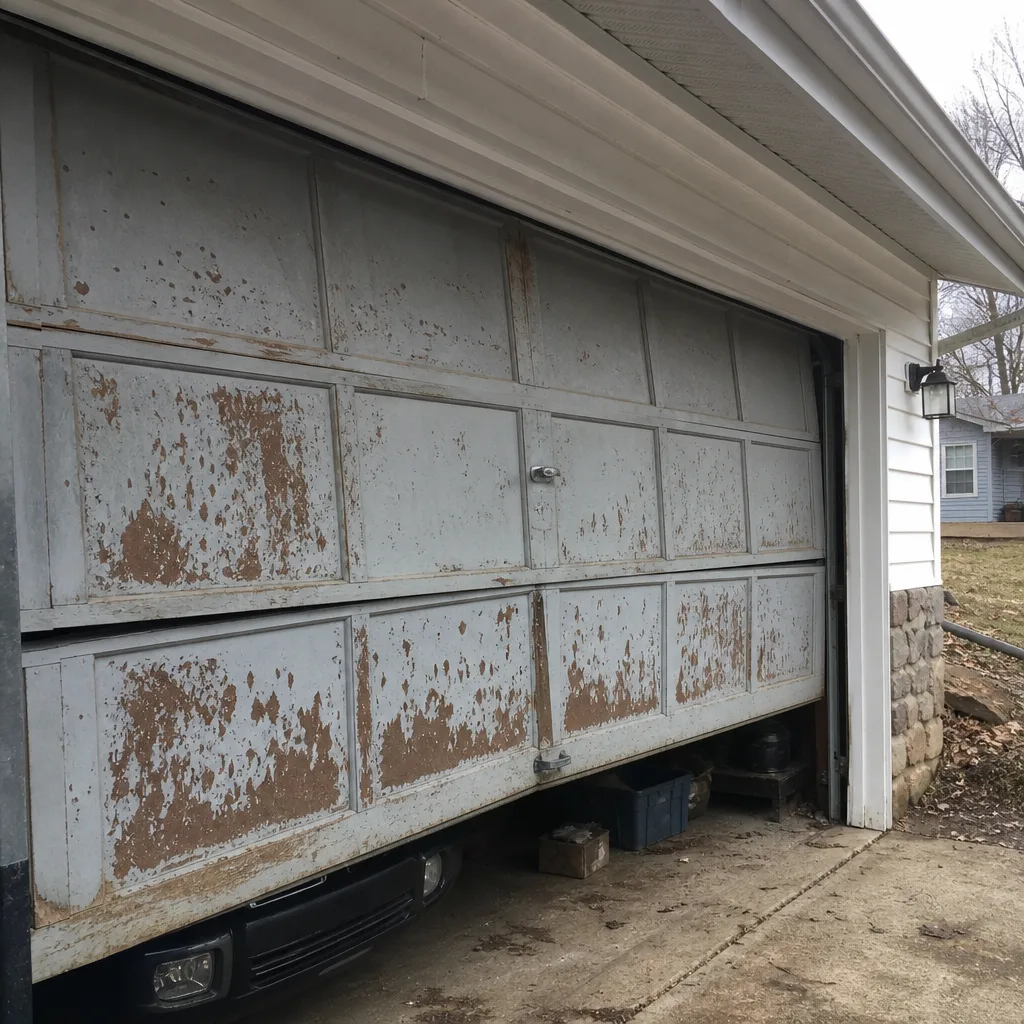 Before
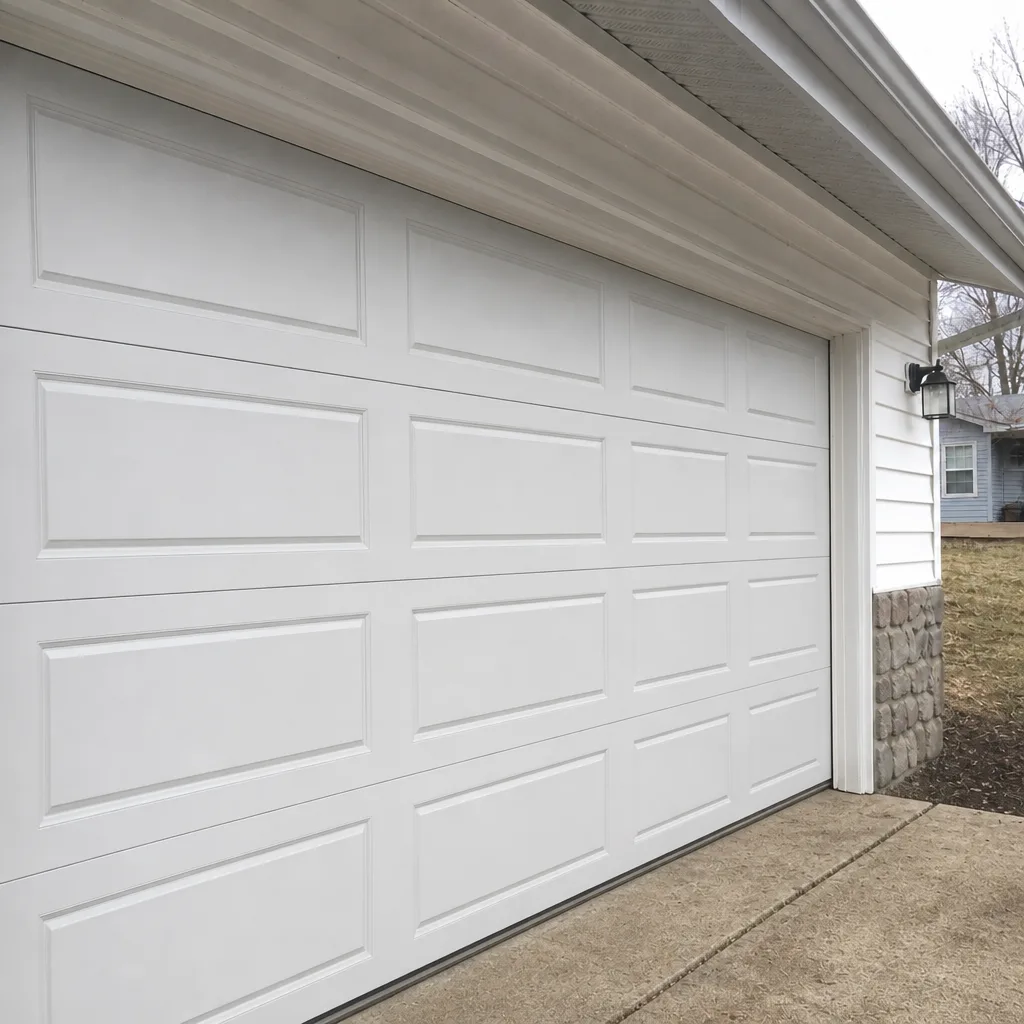 After
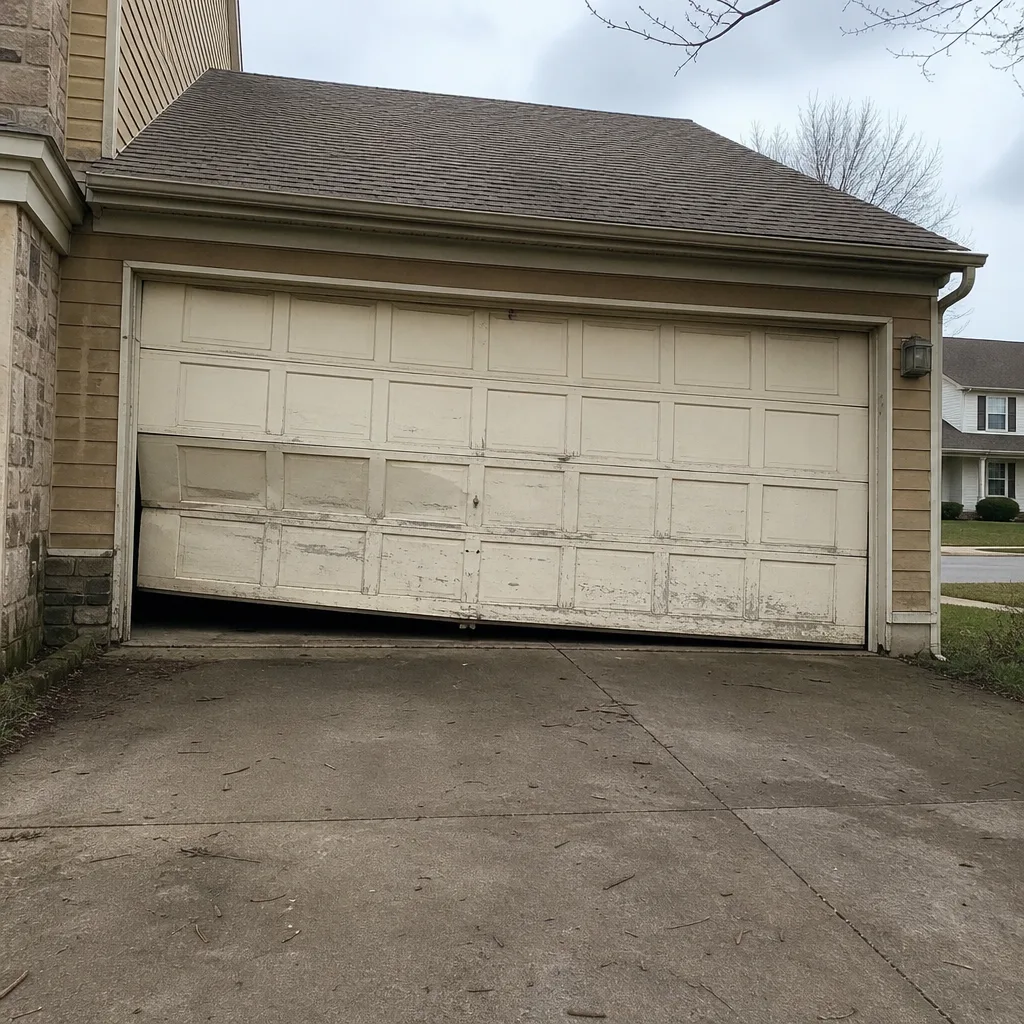 Before
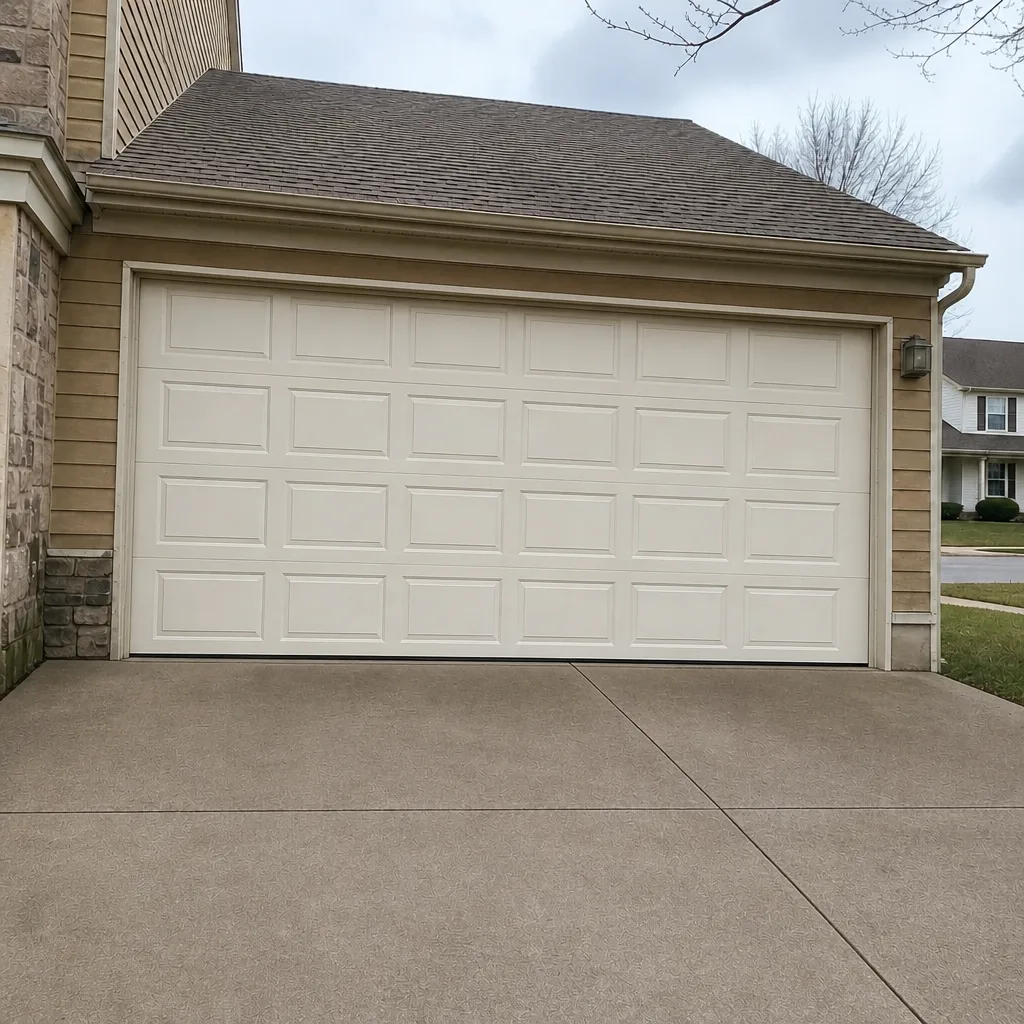 After
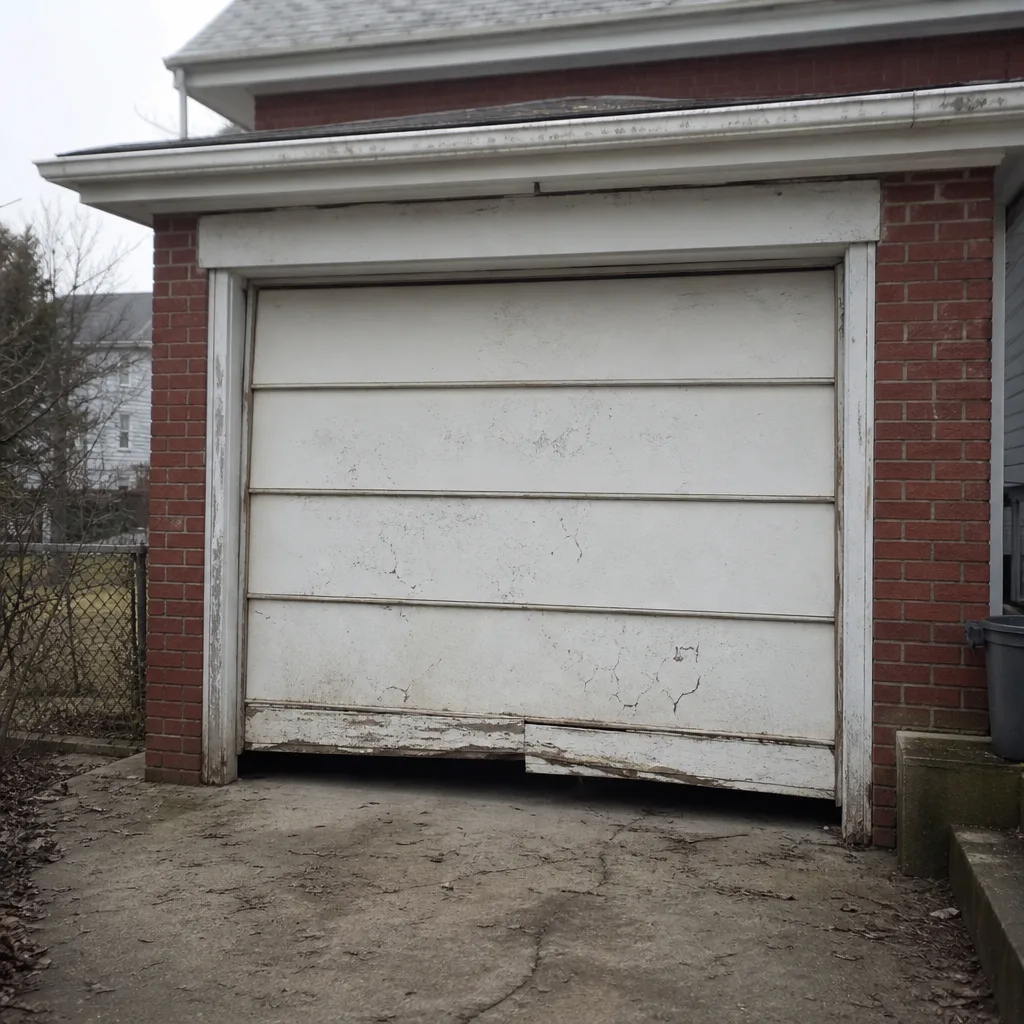 Before
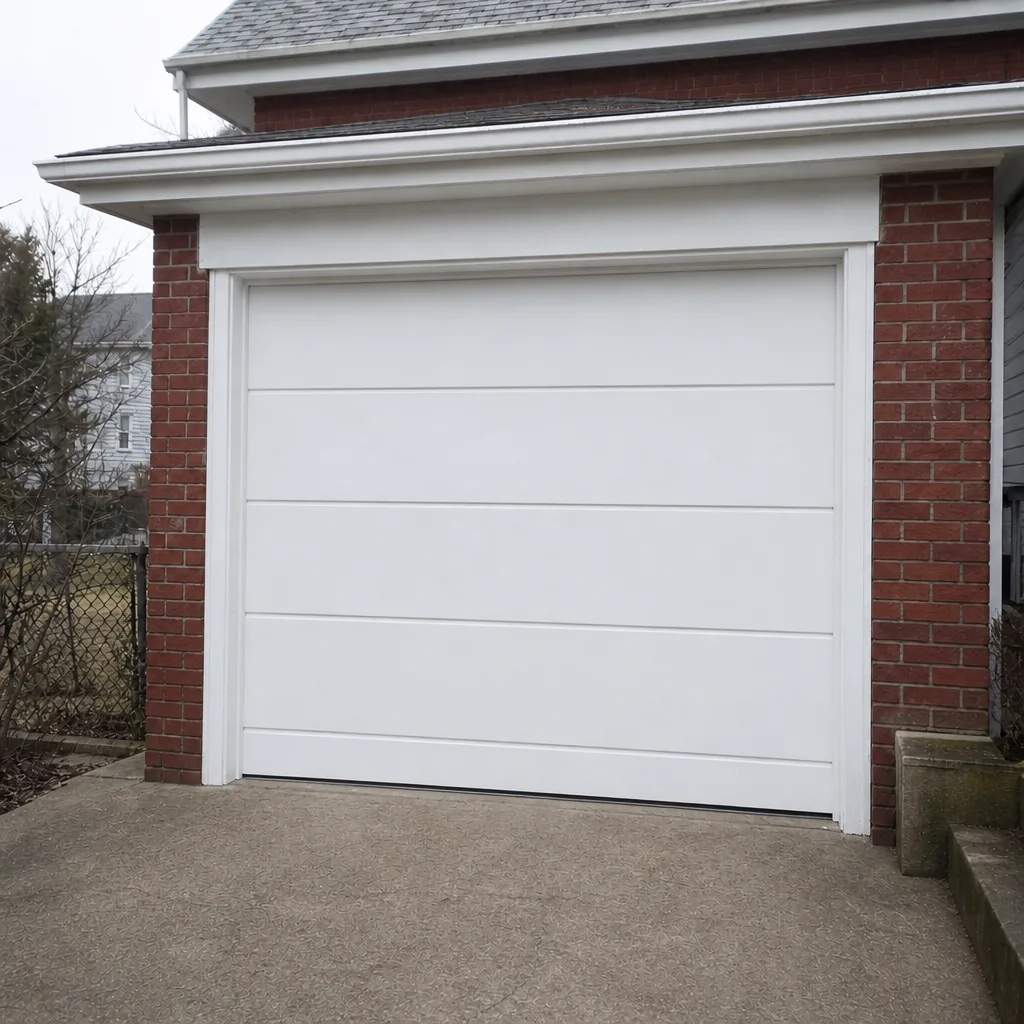 After
When to Call a Professional
Some tasks belong on your list, and some belong to a specialist. Call when the door sags or drifts on the balance test, when a spring looks rusted or has visible gaps, when a cable is frayed or kinked, when the door won’t reverse on contact or the sensors won’t align, when the door comes off its track, or when the opener runs but the door doesn’t move. Those are signs of wear on high-tension or safety-critical parts, and Springs are dangerous enough that they should never be a weekend project. Our technicians have up to 10 years of experience with brands including Clopay, Amarr, and Wayne Dalton, and we can work with your insurer if a covered repair comes up. Garage Door Repair Kensington offers free estimates in Kensington. Call (833) 439-5277. We answer 24/7. Fast dispatch from 7am to 7pm, Sunday through Friday.
Frequently Asked Questions
Service intervals should follow usage: a door running 2,000-plus cycles a year benefits from inspection and lubrication roughly every three months, while a lightly used door can go longer. In Kensington’s climate, add a pre-winter check every fall for seals, sensors, and spring condition. The best way to set your interval is to calculate your own annual cycle count and plan from there.
Yes, for most moving parts. Hinges, roller stems, bearing plates, and a light application on spring coils are safe for a careful homeowner using a garage-door-specific lubricant, and the tracks should stay clean and dry. Adjusting or winding springs and touching cables are not homeowner jobs, since those parts are under extreme tension. Leave spring and cable work to a specialist.
Focus on the parts cold affects most: weatherstripping compression, safety sensor alignment (frost heave can shift the brackets), spring condition, and loose hardware. A door that’s been sagging on the balance test is more likely to fail in the cold. Doing this prep in October or early November beats finding a problem on the first freezing morning.
A sagging door that won’t hold position on the balance test is the clearest sign, and it can appear two to three months before a spring breaks. A door that feels heavier than usual, or that the opener struggles to lift, is also telling you the springs are losing tension. If you see these signs, book an inspection rather than waiting.
Often yes, especially if the cause is a misaligned sensor, a binding track, or a failing spring. A door that won’t close can be a safety issue as well as a security one, so it’s worth a call rather than a workaround. We answer 24/7, and a call outside dispatch hours is booked into the next opening, Sunday through Friday, 7am to 7pm.
A service log documents what was inspected, adjusted, and replaced, which backs up any warranty claim on parts or openers and helps with an insurance claim after storm or impact damage. It also tells the next technician your door’s history. Save every written estimate and invoice together.
The Bottom Line
A garage door maintenance schedule should follow your door, not a generic calendar. Calculate your annual cycle count, then set your lubrication and inspection intervals against it. Run the 60-second balance test monthly to catch weakening springs before they fail, split your checklist into time-based parts (seals, finishes, older rollers) and use-based parts (springs, cables, hinges), and do your pre-winter prep before the first hard freeze. Leave springs and cables to a professional, and keep a service log so your door’s history stays with it. If you’d like a trained eye to build a schedule around your specific door, Garage Door Repair Kensington can help.
Call (833) 439-5277 for a free estimate. We answer 24/7. Fast dispatch from 7am to 7pm, Sunday through Friday. Whether it’s routine maintenance, an opener issue, or a full garage door installation, our dedicated garage door technicians work on the brands you own, including Clopay, Amarr, and Wayne Dalton. From opener glitches to full replacements, we cover the whole lifecycle of your door.
Written by the team at Garage Door Repair Kensington.