
Last updated November 21, 2026
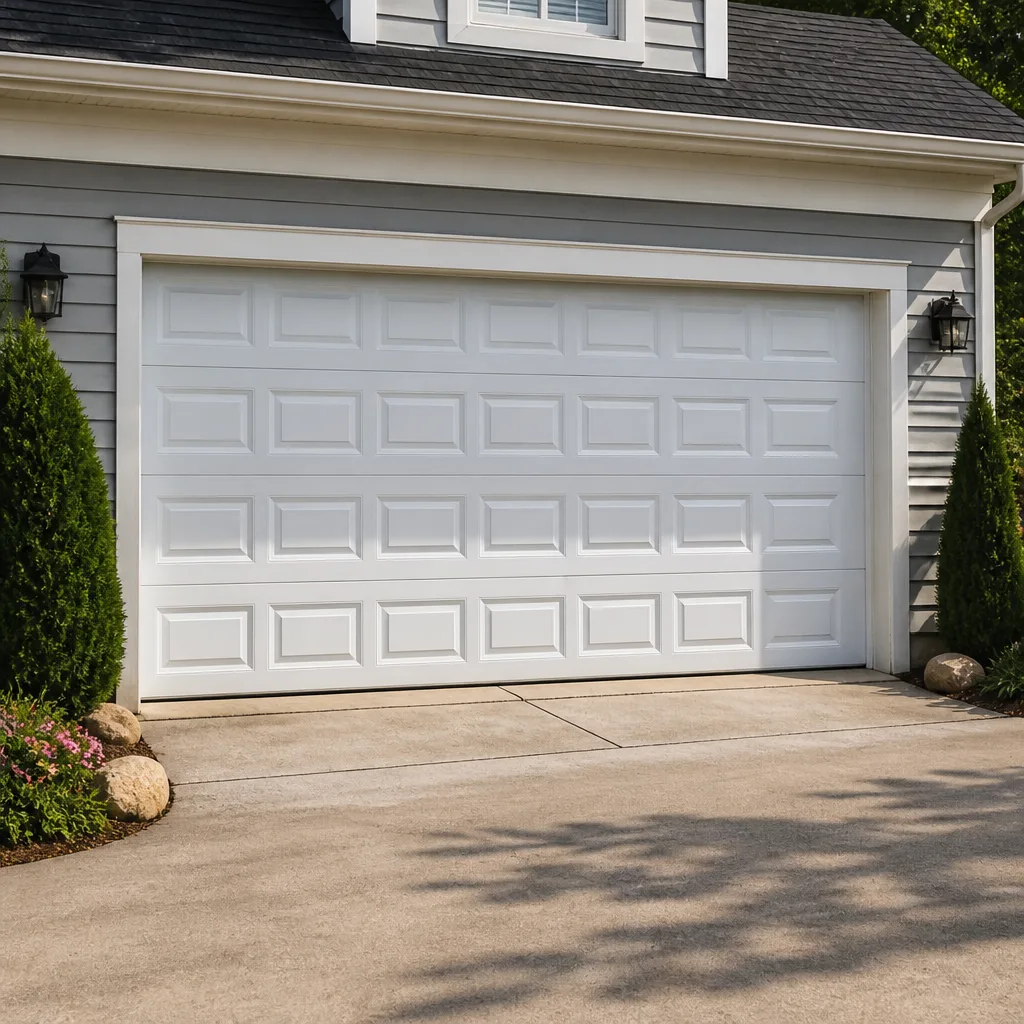 Raised-panel steel
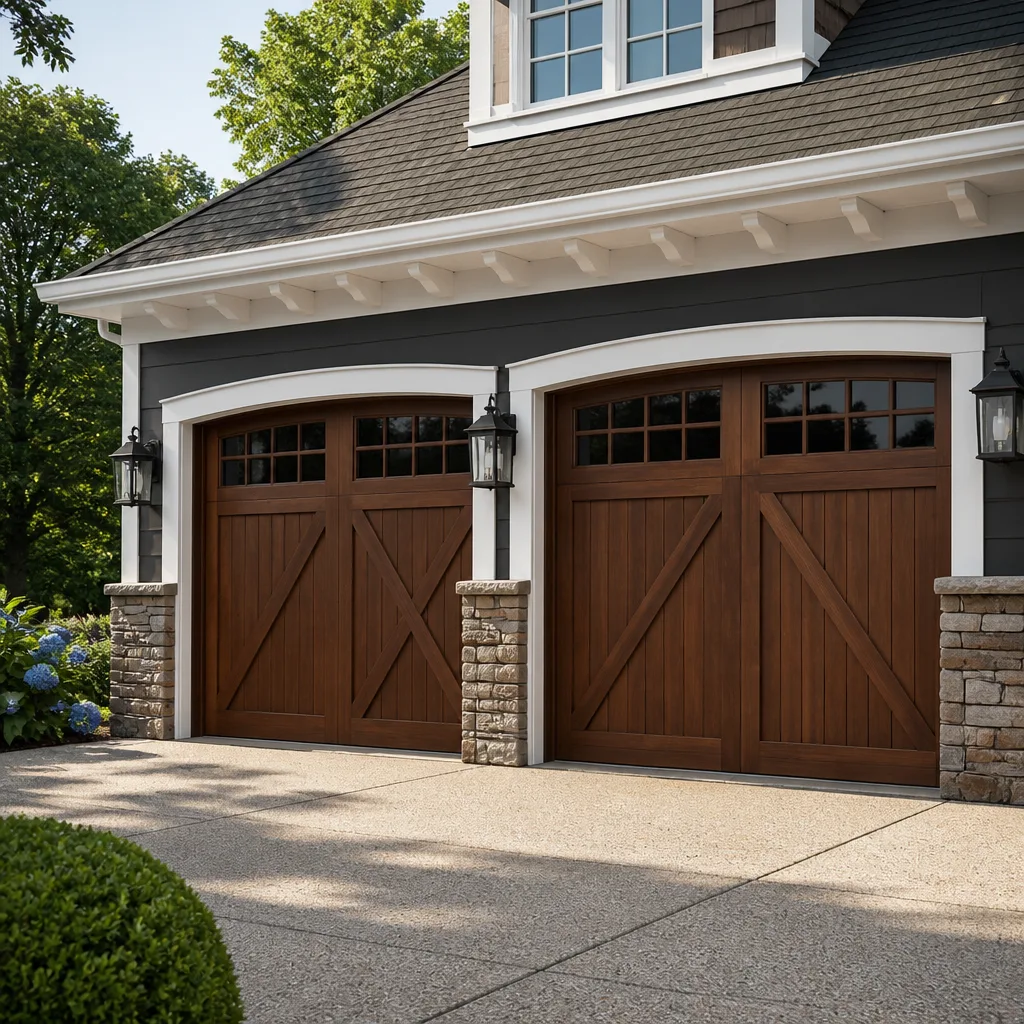 Carriage house
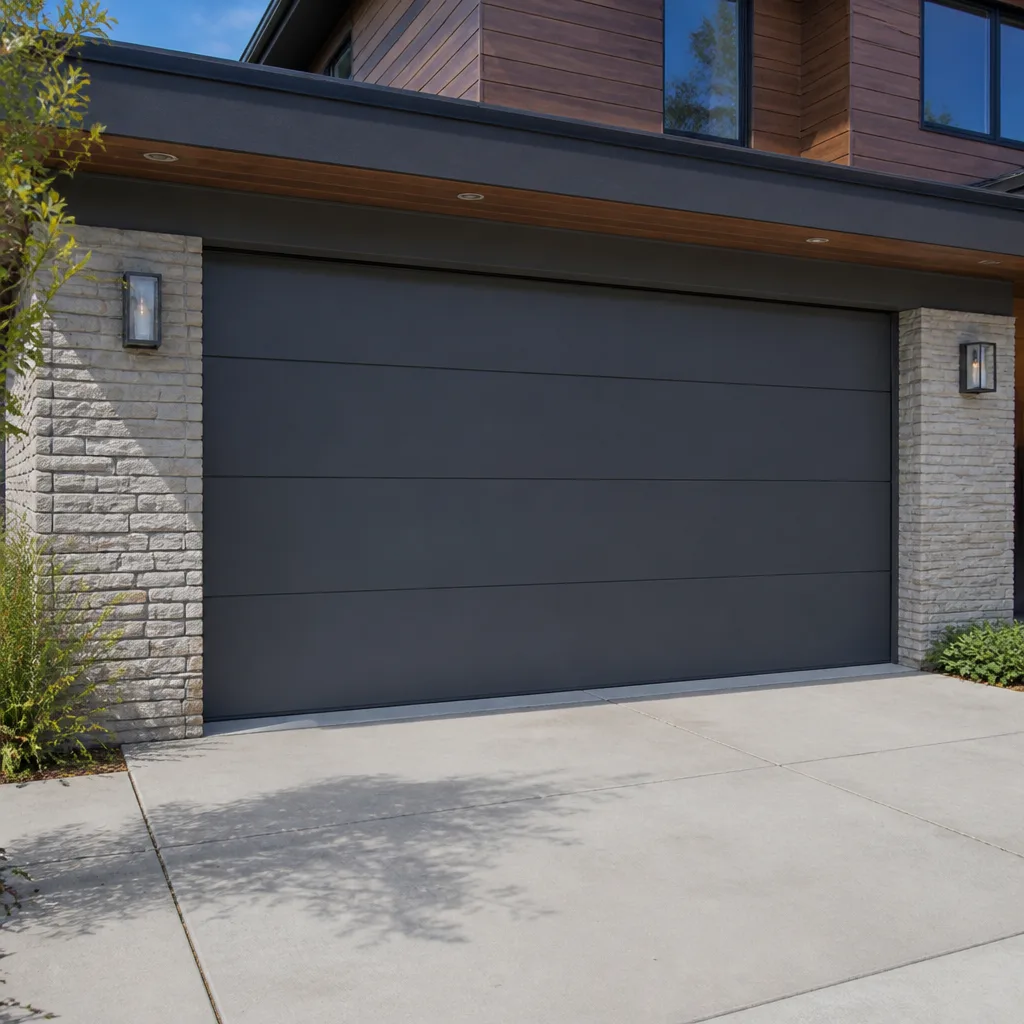 Modern flush
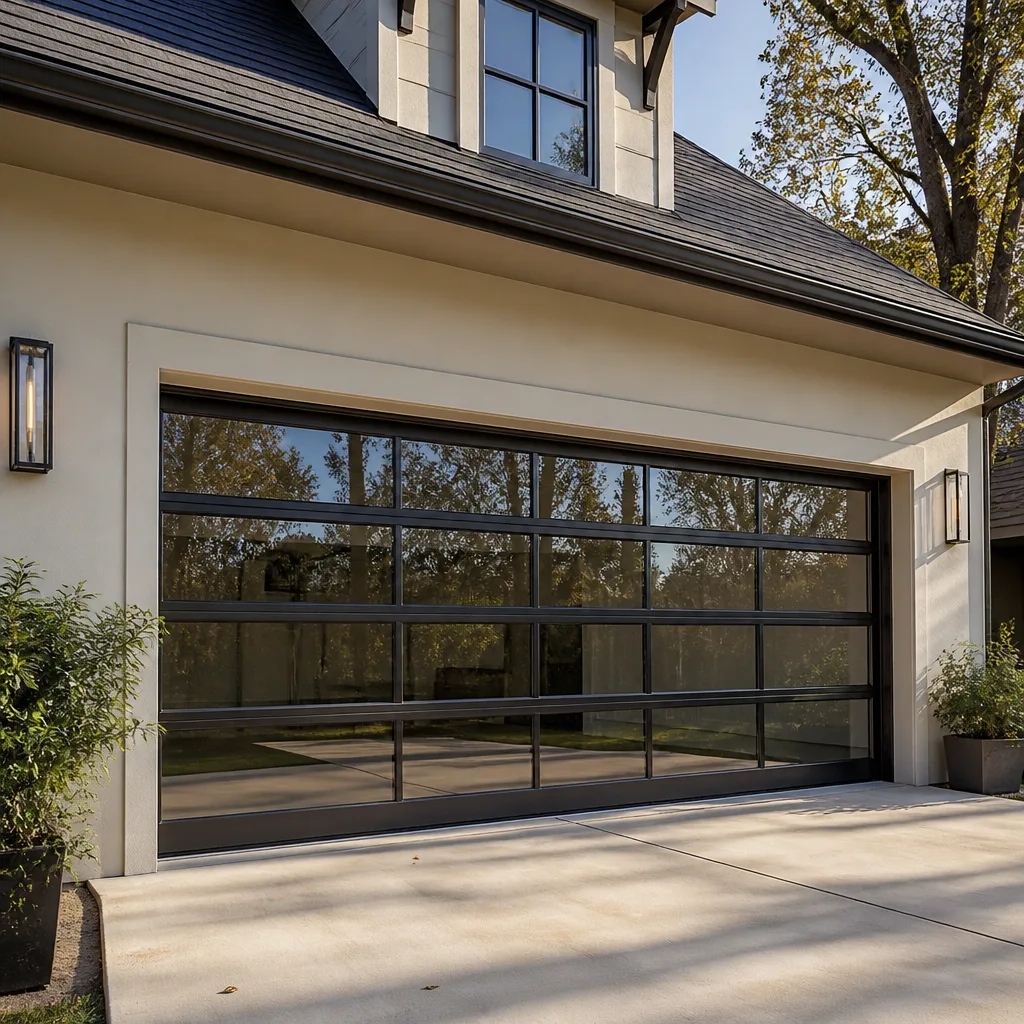 Full-view glass
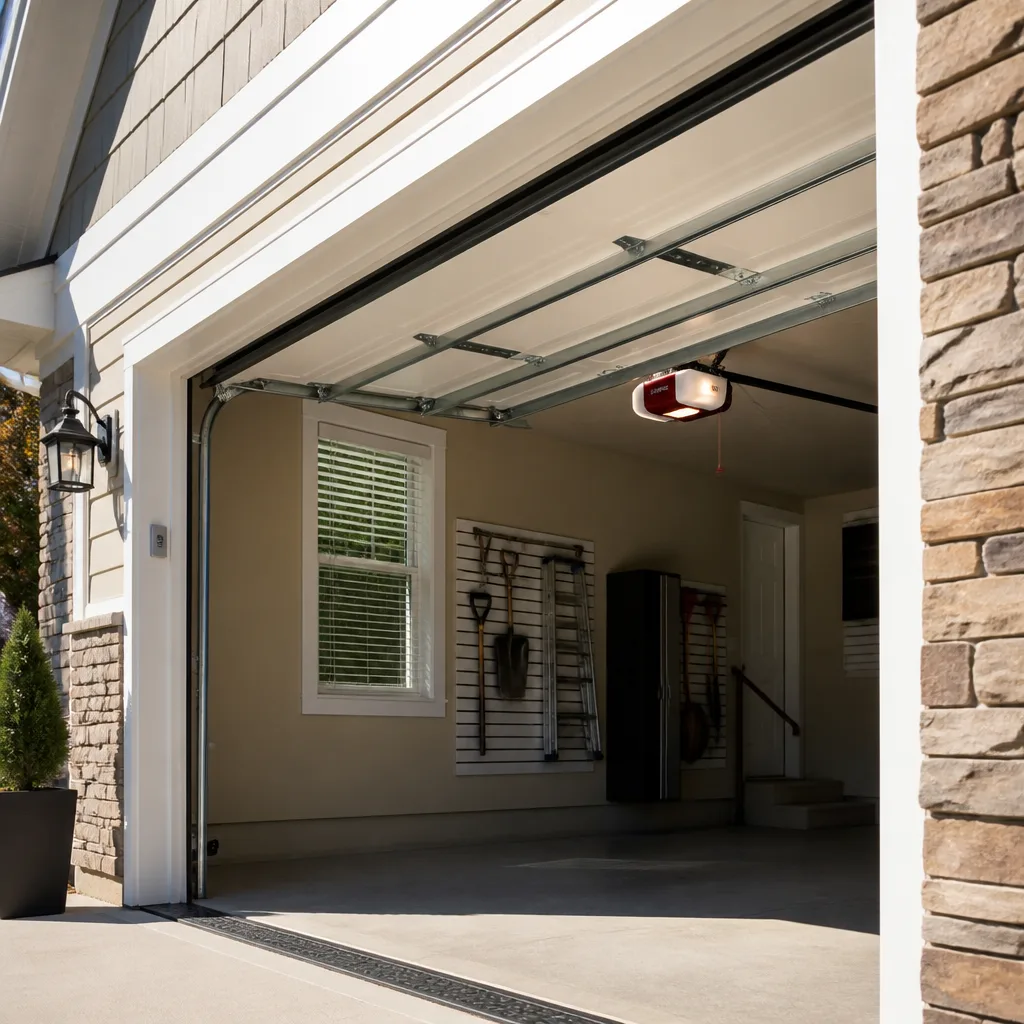 LiftMaster openers
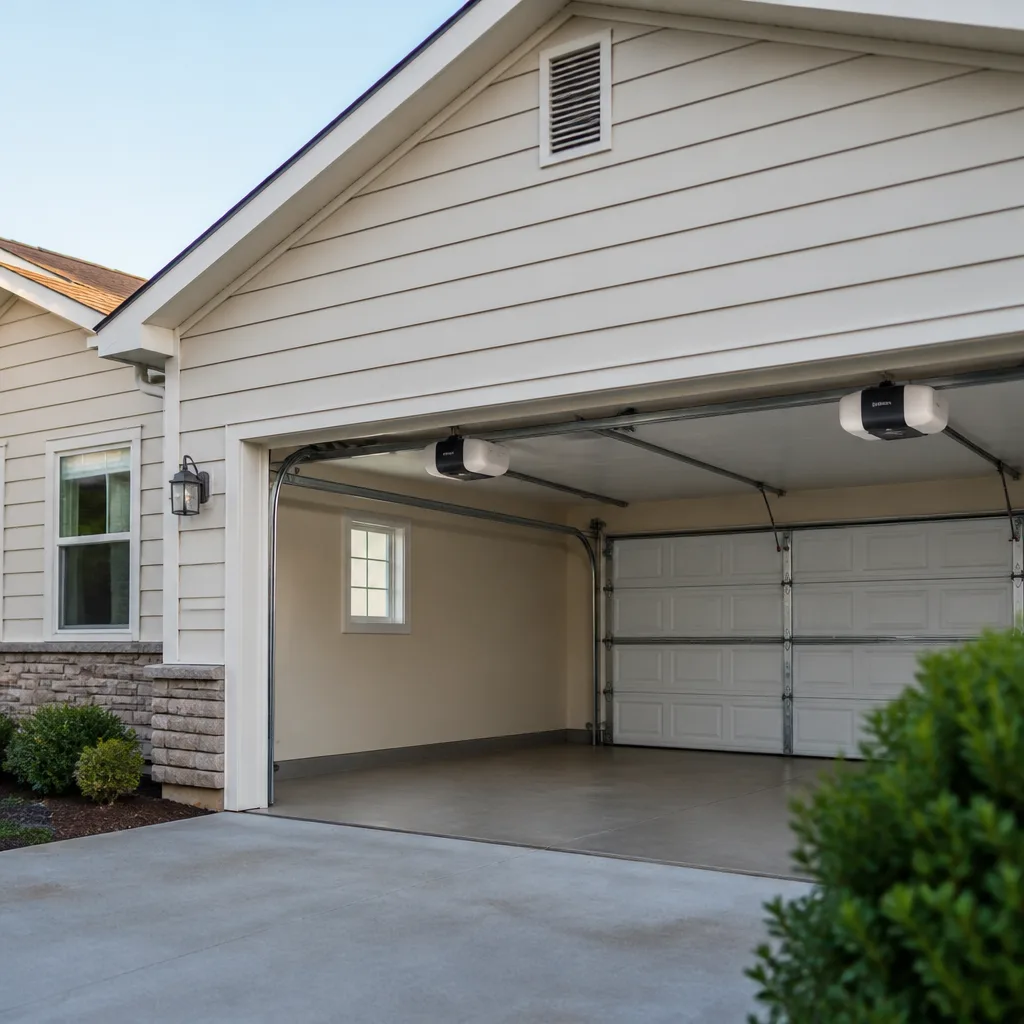 Chamberlain openers
Full 25-point door and opener safety check with every visit - springs, cables, rollers, tracks, and your LiftMaster or Chamberlain opener included
You get a price before we start. It does not change when the pro arrives.
Get your free estimateGarage Door Warning Signs: A Kensington Homeowner’s Reference Guide
Most garage door warning-sign articles tell you what you already know. The door won’t open. The remote stopped working. The thing is making a racket. But by the time a door is completely dead, the warning signs were there for weeks or months, usually subtle ones that a trained eye catches long before a full breakdown. A door that hesitates for half a second before it moves isn’t just aging. That pause is often a signal the spring tension is off-balance, and every cycle after that works the system harder than it should. This guide walks through those early signals so you can catch a problem while it’s still a repair, not a replacement. We’re a garage door specialist serving Kensington, and we’ve spent years learning what these doors say before they fail.
Quick Answer
The warning signs of a failing garage door are a door that jerks or hesitates before moving, a gap in the cables or fraying near the drum, uneven gaps along the bottom or sides, a slow or groaning opener, a reversed door that won’t hold on an obstruction, and any grinding, popping, or scraping sound that isn’t the normal hum of a healthy system. A trained technician can spot most of these in a single service call, often before the homeowner notices anything is wrong. Catching them early usually means a simpler, cheaper repair.
Styles & brands we work with
- Raised-panel steel
- Carriage house
- Modern flush
- Full-view glass
- LiftMaster openers
- Chamberlain openers
Table of Contents
- Sounds That Mean Wear vs. Sounds That Mean Failure
- How to Spot Imbalance From the Street: A Visual Checklist
- Why a Slow Opener Is Usually a Mechanical Problem
- Auto-Reverse Behavior: Sensor Adjustment or Structural Issue?
- The Timeline From First Warning Sign to Failure
- The Four Signs You Should Never Ignore
- When a Warning Sign Becomes a Call
- Frequently Asked Questions
Sounds That Mean Wear vs. Sounds That Mean Failure
Every garage door has a voice. A healthy door moving through its cycle makes a low, steady hum from the opener and a soft roll of rollers on track. That’s normal. What’s not normal is anything sharp, rhythmic, or uneven. The problem is that most homeowners tune out the sound once they’ve heard it for a few weeks. That’s exactly when a small mechanical issue becomes a big one.
Here’s how we sort the sounds we hear on service calls in Kensington into two columns:
- Normal wear sounds: A faint squeak from rollers, a light rattling in the panels, a quiet hum from the opener housing. These are the sounds of a functioning door with ordinary friction. They’re worth greasing but they aren’t urgent.
- Warning sounds: A grinding noise from the opener motor, a popping or snapping when the door starts to lift, a scraping sound that comes from the top or sides, or a rhythmic thud that repeats at the same point in every cycle. These indicate a component that’s binding, slipping, or already damaged.
- Failure sounds: A sudden loud bang, a heavy slam when the door reaches bottom, or a dead silence followed by the opener running without moving the door. Those are the sounds of a spring breaking, a cable snapping, or a stripped gear inside the opener.
The most common pattern we see: grinding from a LiftMaster or Craftsman opener means the chain is misaligned or the gear is failing. That’s not the opener dying of old age. It’s a specific mechanical fault that can be fixed. On Wayne Dalton doors, a rhythmic pop at the same point in every cycle often signals a loose hinge or a bent track section, and it usually gets worse within weeks. The sound is the door telling you which part is struggling.
How to Spot Imbalance From the Street: A Visual Checklist
You don’t need a ladder to diagnose a door. Stand across the street, look at your garage straight on, and walk through this checklist. Most of the imbalances that lead to spring and cable failures are visible from the curb if you know what to look for.
- Look at the gap along the bottom. A healthy door leaves an even sliver of light or shadow from one end to the other. If the gap is wider on one side, the door is riding unevenly on its tracks.
- Check the panels for horizontal tilt. Stand directly in front and compare the top edge to the ceiling line. If one side of the top panel is higher than the other, the torsion system is loaded unevenly and the springs are doing different amounts of work.
- Look at the cable near the drum. Cables should sit neatly in their grooves on the drum at the top corners. A cable that’s crossed over itself, riding the edge, or slack on one side is a sign the system is out of balance and a snap is possible.
- Watch the door between the tracks. As it closes, does one side lead the other slightly? If the gap between the door edge and the track is visibly uneven left to right, the door is skewed.
- Look for a crack in the concrete or a tilted frame. A door that used to sit flush and now doesn’t may be reacting to a foundation or frame shift, not the door itself.
These visual cues matter more in Kensington than most homeowners realize. Our freeze-thaw winters cause the concrete and framing around a garage to shift slightly year to year, and a door that was perfectly balanced in spring can be riding against the weather seal by January. If you see any of the five signs above, that’s the time to call a garage door specialist rather than wait for the loud bang. You can schedule garage door repair before a cable or spring lets go, which is almost always the cheaper route.
Why a Slow Opener Is Usually a Mechanical Problem
When a garage door opener suddenly runs slower than it used to, most homeowners assume the motor is tired or the electronics are failing. In our experience, that’s almost never the case. A slow opener is typically reacting to resistance from the door itself. The opener is doing what it’s designed to do: supplying more force when it senses the door is heavier than it should be. The problem is upstream, not inside the housing.
Here are the most common causes we find when a homeowner in Kensington tells us their opener is running slow:
- Spring tension loss: A torsion or extension spring that’s weakened over time makes the door effectively heavier. The opener has to lift more weight, so it moves more slowly.
- Dry or worn rollers: Rollers that have lost their lubrication drag in the track and increase resistance across the whole system.
- Misaligned tracks: A track that’s out of plumb by even a fraction of an inch will bind the door, and the opener will slow down to compensate.
- Binding hinges: Hinges that have seized from winter moisture or age resist the door’s movement at panel joints.
- Gear or drive wear: In rare cases, a worn drive gear or stripped chain inside the opener can cause sluggish travel, but that’s the exception rather than the rule.
On LiftMaster and Genie openers especially, the unit is usually heavier-duty than the door requires. That means if it’s slowing down, the door is almost certainly the culprit. Adjusting the opener’s force settings to compensate is the wrong move, because the harder the opener works, the faster the gear and motor wear out. The right answer is garage door opener repair that first addresses the mechanical cause, then confirms the opener itself is healthy.
Auto-Reverse Behavior: Sensor Adjustment or Structural Issue?
Every garage door opener made since 1993 includes a safety reverse function that sends the door back up when it meets an obstruction. That function is essential and non-negotiable. When the reverse function starts doing things on its own, homeowners usually can’t tell whether it’s a sensor problem or something more serious. Here’s how to sort it.
A door that reverses on a completely clear path is almost always a sensor issue. The photo-eye sensors mounted just above the floor on each side of the opening are sensitive to dust, spider webs, condensation, and direct sunlight. A quick wipe or a slight repositioning of the brackets often solves it. That’s a sensor adjustment, not a structural problem, and it’s something you can safely look into yourself.
A door that reverses only when it meets resistance is a different story. If you place a small block under the path and the door doesn’t reverse, the opener’s safety mechanism has failed and the door must be taken out of service until it’s repaired. If the door reverses and then rises unevenly, or if it reverses and the panels look misaligned, the reverse is being triggered by a structural issue: a bent track, a loosened spring, or a panel that’s dropped on one hinge. Those situations need a specialist.
One thing to be careful about. A door that reverses unpredictably is a genuine safety concern, especially in households with kids or pets. Don’t try to adjust the force sensitivity or the reverse limit settings on the opener yourself. Those settings are calibrated against the specific weight and travel of your door, and getting them wrong can either disable the safety mechanism or make the door slam down on an obstruction. If the reverse is acting up, call a technician and leave the door in the down position until they arrive.
The Timeline From First Warning Sign to Failure
One of the most useful things a homeowner can learn is how long they have before each component fails. It changes priorities. A squeaking roller can wait. A fraying cable can’t. Here’s the timeline we’ve built from the typical warning-sign patterns we see in Kensington homes. These are general patterns, not a schedule for your specific door, but they’ll help you sort what’s urgent from what can wait for a normal service call.
- Torsion spring (one spring, typical): First warning is often a slight hesitation on lift or a door that feels heavier than it should. From that sign to failure is usually several weeks to a few months. Torsion springs cycle tens of thousands of times, and once they lose tension they don’t recover. If a torsion spring is sagging or visibly stretched, plan the repair within 30 days. The price for one torsion spring in Kensington typically runs $180-$340; a matched pair, which is the standard replacement, is about twice that.
- Extension spring: Warning signs include visible stretching, gaps at the spring end, or a door that lifts strongly at the bottom then gets weaker near the top. From first sign to failure is typically two to six weeks. Extension springs on Wayne Dalton doors can fail with a loud report, so a stretched extension spring is a same-week call.
- Cables: Frayed strands near the drum, a cable riding off its groove, or a visible kink in the line. From first sign to failure varies widely, sometimes days, sometimes months, but a frayed cable is unpredictable and should not be left in service. Cables are always replaced in pairs and are among the most dangerous components on the door.
- Opener: A slow opener, a reversing door, or a motor that hums without moving is a sign of drive wear, gear damage, or a stripped sprocket. A failed opener typically fails gradually, with intermittent function for a few weeks before it stops entirely. That gives you some time to plan a replacement, but don’t ignore the grinding sound; it usually means the gear is already damaged.
For the two spring types and the cables, the work is genuinely dangerous. These components are under extreme tension and releasing them wrong can cause serious injury. Our trained garage door technicians handle torsion and extension spring replacement as a specialty, and we recommend never attempting it yourself. The garage door installation team can also handle replacement doors and openers when repair stops making sense.
The Four Signs You Should Never Ignore
Most warning signs give you time to plan. A few don’t. If you see any of the following four signs, treat the door as unsafe until a professional has looked at it.
- A loud bang followed by a door that won’t lift. That’s usually a broken torsion spring. The door is now being held by the opener alone, and running the opener risks burning out the motor or dropping the door.
- A visibly broken or hanging cable. Cables are under load and can snap violently. Don’t touch it, don’t try to reattach it, and don’t run the door.
- A bent or detached track, or a door that’s come off one side. The door can fall. Keep everyone clear of the opening and call for service.
- A door that fails the obstruction test. If the door doesn’t reverse when it meets a block, the safety mechanism has failed. Leave the door down and call a technician.
In any of these cases, our advice is the same: don’t operate the door. When the door won’t move, we will. Garage Door Repair Kensington handles emergency garage door service as a core offering, and our technicians have up to 10 years of experience on exactly these situations.
When a Warning Sign Becomes a Call
The math on calling early is simple. A squeaking roller or a misaligned track caught in October is a small repair. The same issue ignored until the spring fails in February is a much bigger job, and it usually involves a door that’s stuck open in cold weather. In Kensington, where our winters swing hard enough to stress metal and move concrete, waiting a season is not a neutral choice.
Here’s when a warning sign is worth a call:
- Any grinding, popping, or scraping sound that repeats.
- A door that hesitates, jerks, or moves unevenly.
- Any visible gap, cable, or spring irregularity from the street.
- An opener that’s slowing down or reversing without cause.
- Any door that fails the obstruction test.
- Any door that’s more than a decade old and hasn’t been serviced recently.
When you call, we send a technician who knows your brand. We’re factory-trained on eight major brands, including LiftMaster, Chamberlain, Genie, Clopay, Amarr, Wayne Dalton, Craftsman, and Raynor, which means whoever answers the door recognizes it on arrival. That matters, because the warning signs on a Clopay door aren’t the same as the warning signs on a Raynor. Specialization is the whole reason a trained technician can catch problems a general handyman would miss.
See the difference
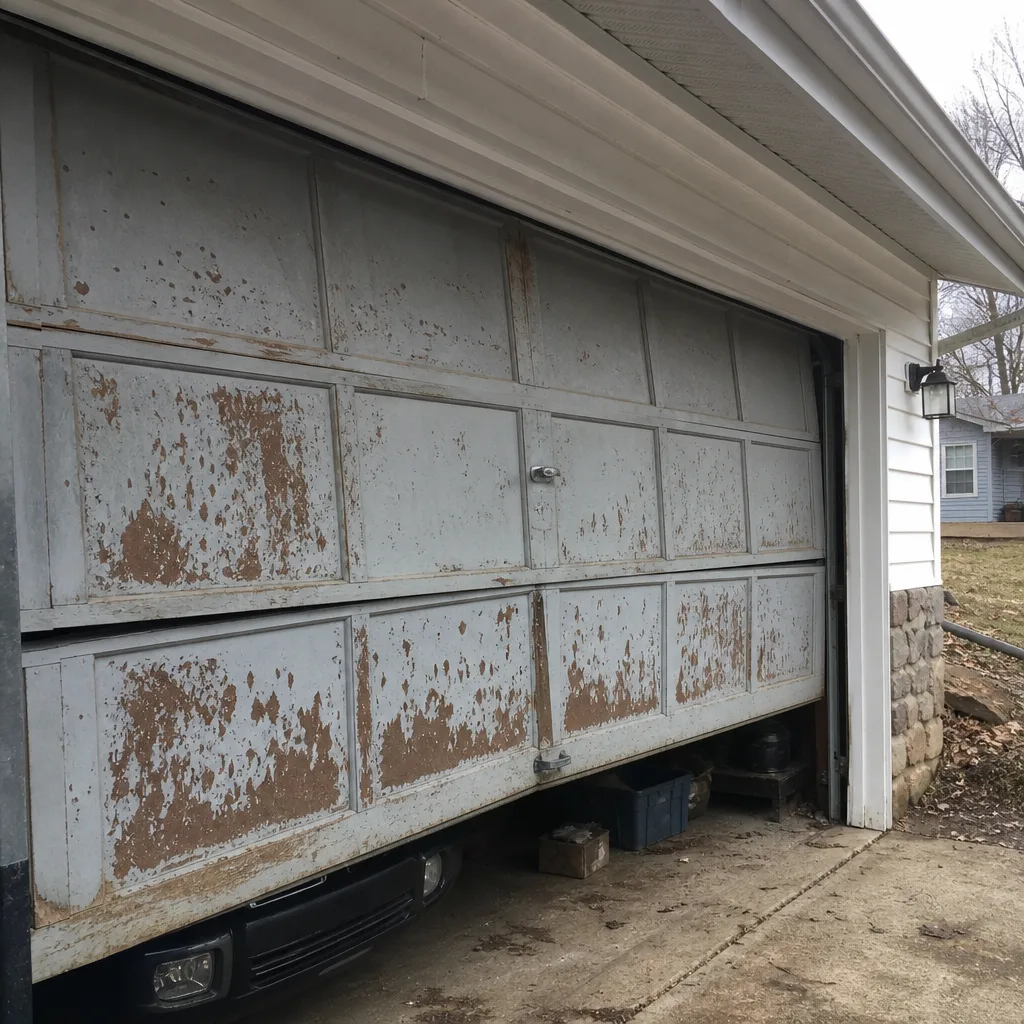 Before
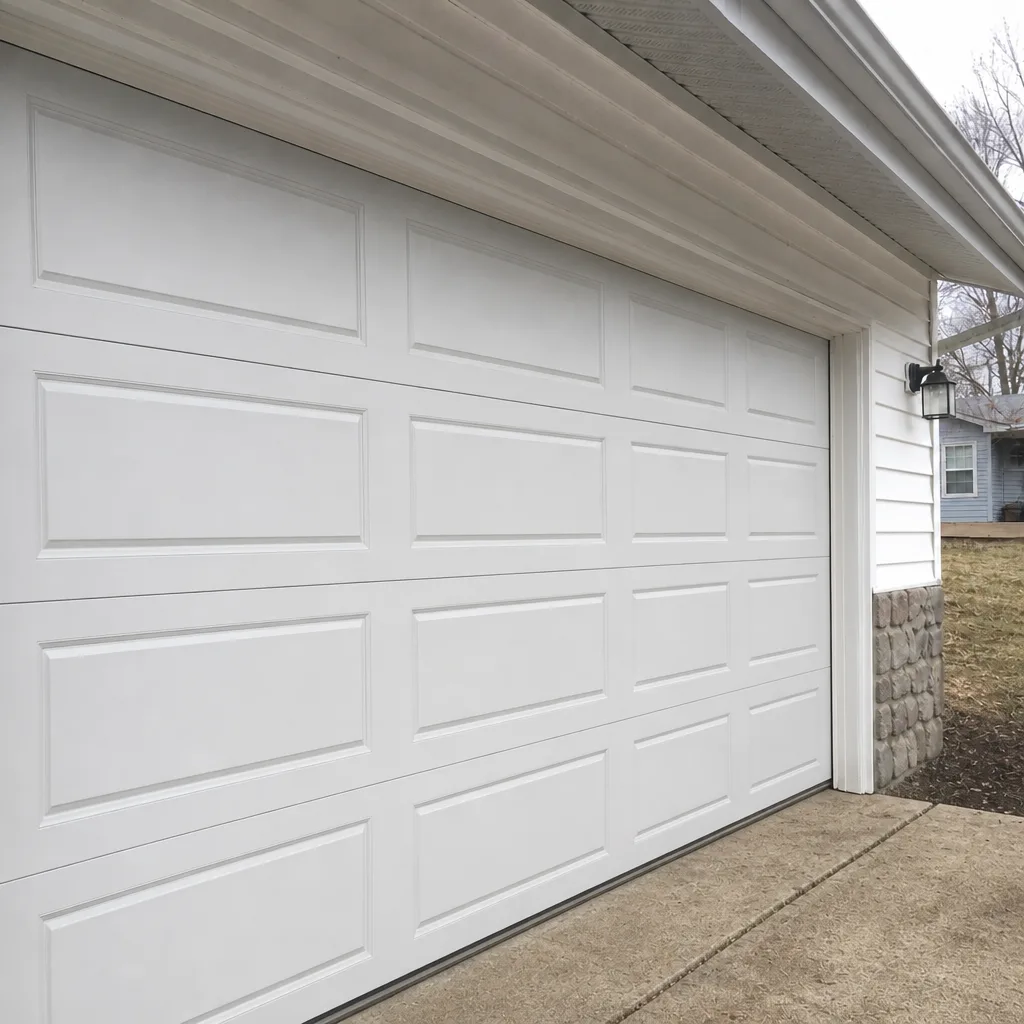 After
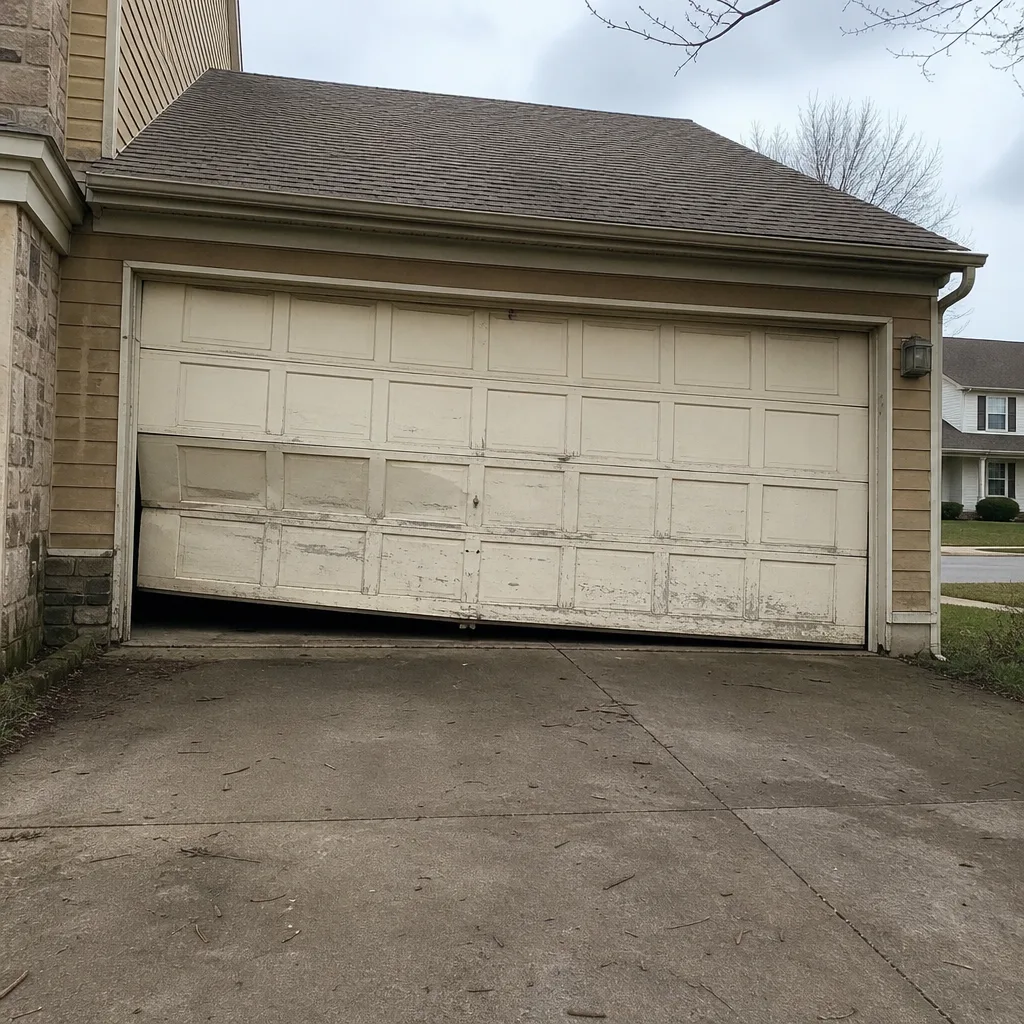 Before
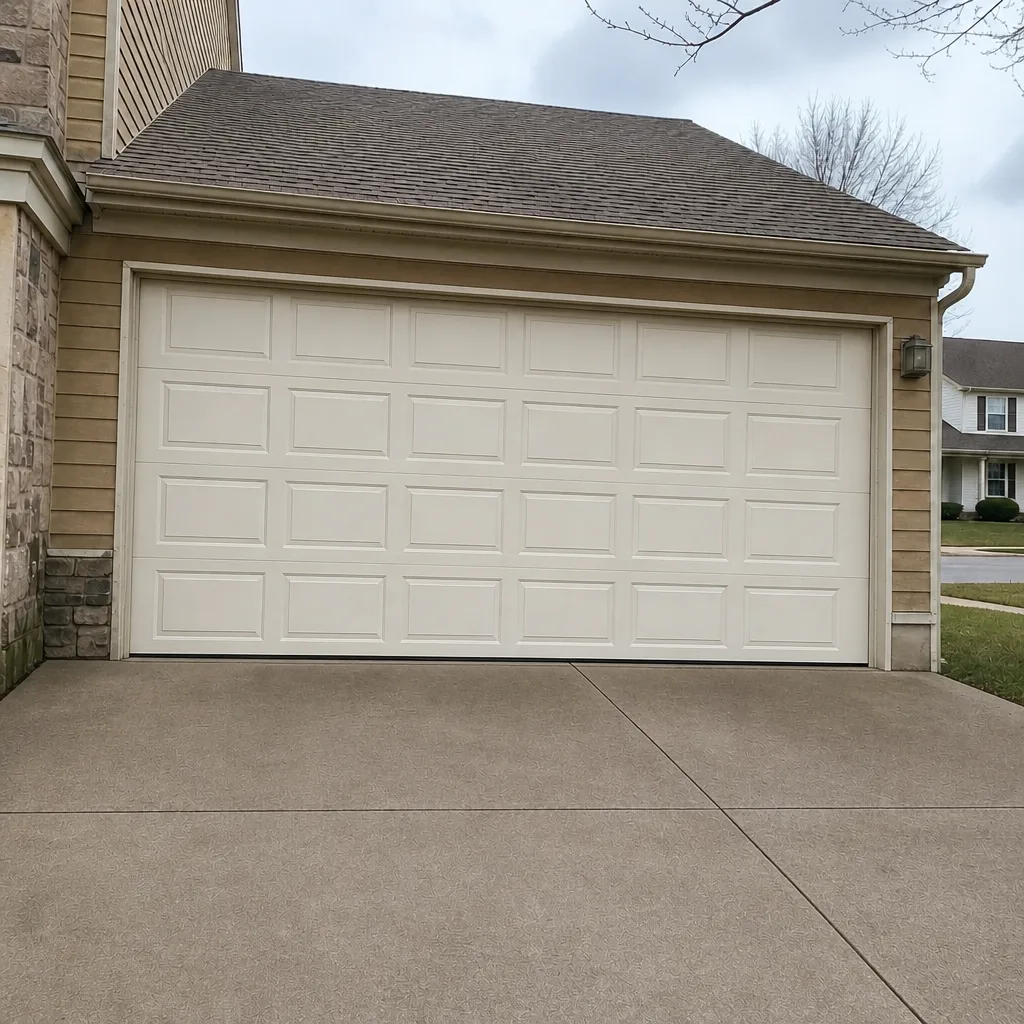 After
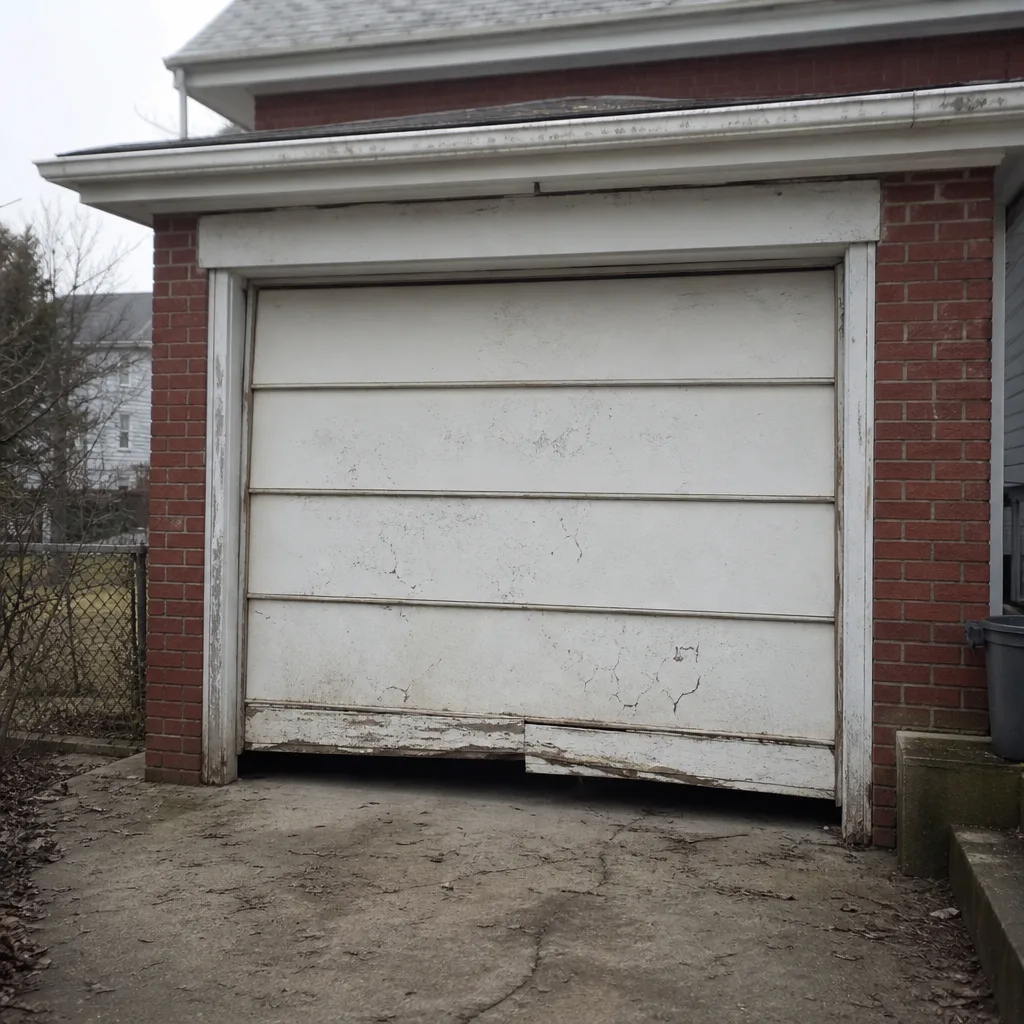 Before
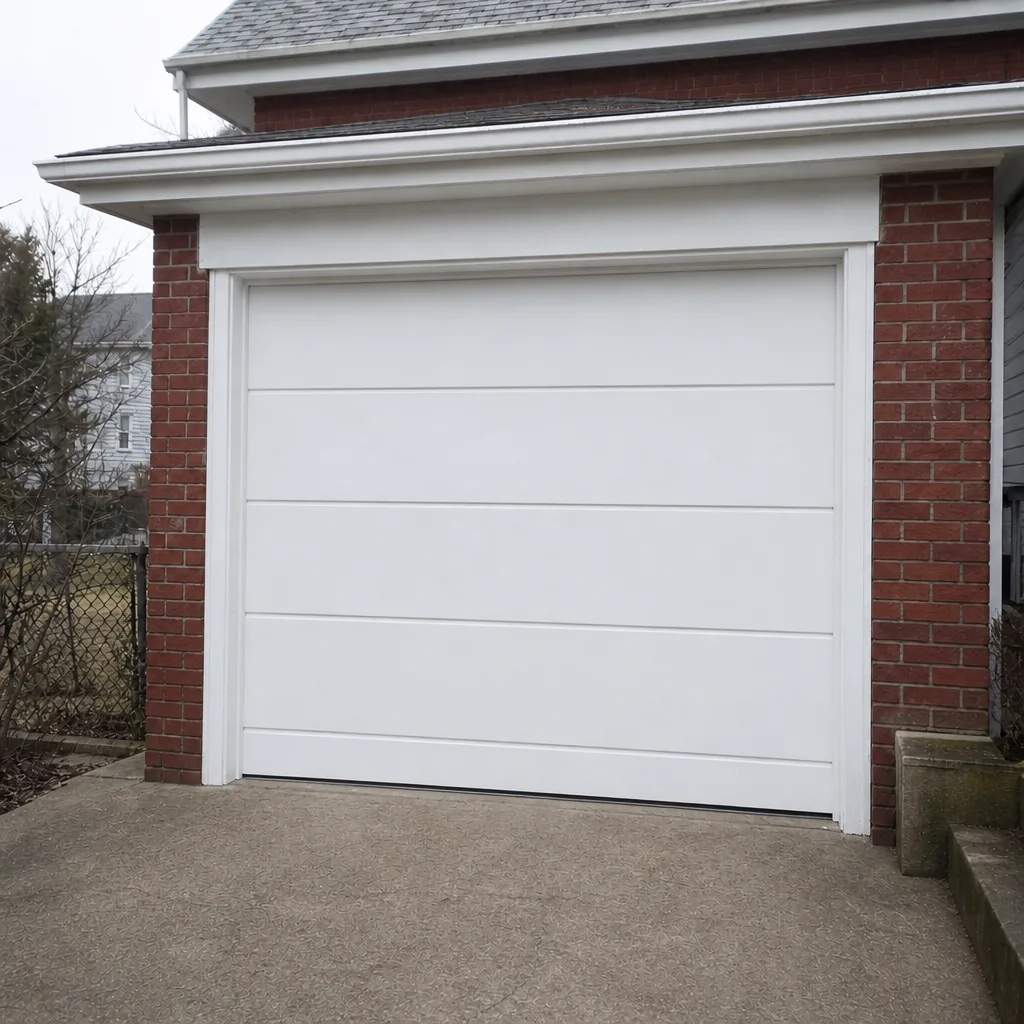 After
Common Mistakes to Avoid
- Adjusting the opener force setting to compensate for a slow door. That works for a few weeks, then the gear strips. The door was the problem, not the opener, and now you have two problems.
- Assuming a loud door is just “old.” A noisy door usually has a specific mechanical cause: a dry roller, a loose hinge, a track out of plumb. It’s fixable. The noise is the diagnosis.
- Greasing the spring. Springs don’t need grease, and the wrong lubricant attracts grit that wears out the coils faster. Grease the rollers, hinges, and bearings, not the spring.
- Ignoring the second warning sign because the first one went away. Warning signs on a garage door rarely resolve on their own. A door that hesitated once and seems fine now is still a door with a tension problem.
- Hiring a general handyman for a spring or cable job. These components are under extreme tension and are the most dangerous parts of the door. Ask anyone who will touch them whether garage doors are their only trade.
- Using the door while it’s failing the obstruction test. The reverse function is there to protect people and property. If it’s not working, the door isn’t safe to operate until it’s fixed, no exceptions.
- Waiting for the spring to break before scheduling the repair. In a Kensington winter, a broken spring means a door that’s stuck open or shut until someone can come out. Sometimes that’s the same day. Sometimes it isn’t. The planning window closes quickly.
When to Call a Professional
Call a professional when the warning sign you’ve spotted involves a spring, a cable, a track, or the opener’s safety reverse function. Those are the four areas where the risk of injury, or the risk of an expensive cascading repair, is high enough that the work isn’t worth doing yourself. Call sooner rather than later if the door hesitates, if you’ve heard a snapping or popping sound, or if the door is visibly out of level from the street. A garage door specialist will come out, diagnose the specific cause, and quote a written price before any work begins. Garage Door Repair Kensington offers free estimates in Kensington. Call (833) 439-5277. We answer 24/7. Fast dispatch from 7am to 7pm, Sunday through Friday.
Frequently Asked Questions
The most common warning signs are a door that hesitates or jerks before moving, a grinding or popping sound at the same point every cycle, a slow or reversing opener, an uneven gap along the bottom of the door, and any visible irregularity in the cables or springs. Any one of these is worth a service call, and a combination of two or more means the door should be looked at before it’s used again. Call (833) 439-5277 for a free estimate.
Most garage doors last 15 to 30 years if they’re serviced regularly, and the springs inside them last 7 to 12 years on average. The door panels rarely fail first. It’s the springs, cables, and opener that need attention. Regular servicing is the best way to catch a failing component before it takes the whole door out of service. If your door is past the 10-year mark and hasn’t been looked at, schedule an inspection at (833) 439-5277.
A hesitation before the door opens is usually a sign of tension imbalance in the torsion or extension spring system. The opener pulls against the spring resistance, finds the door heavier than it should be, and slows or pauses to build force. That hesitation means the system is working harder than it should on every cycle, which accelerates wear on the opener and the springs. A garage door specialist in Kensington can diagnose and correct the imbalance before it becomes a broken spring. Call (833) 439-5277 for a free estimate.
It depends on the noise. A light squeak from a roller or a soft rattle in the panels is safe to use while you schedule a service. A grinding, popping, scraping, or banging sound is not safe to ignore: those are signs a component is binding or already damaged, and operating the door risks a failure. When in doubt, leave the door down and call (833) 439-5277.
A slow opener is usually fixable, and the fix is usually not inside the opener. In most cases, the door itself is heavier than it should be and the opener is compensating. Correcting the spring tension or the track alignment usually restores full speed without any work on the motor. Replacing the opener early is a common mistake. Call (833) 439-5277 for a free estimate and diagnosis.
We service eight major brands, including LiftMaster, Chamberlain, Genie, Clopay, Amarr, Wayne Dalton, Craftsman, and Raynor, which covers nearly every door and opener in a typical Kensington home. Our technicians are factory-trained on each brand, so we recognize the specific warning signs your door is likely to show. If you’re not sure what brand you have, we can identify it on the first visit. Call (833) 439-5277 to schedule.
The Bottom Line
Garage door warning signs are rarely obvious. The door doesn’t usually die in a single dramatic moment; it tells you what’s wrong for weeks or months before it does, through hesitations, grinding, uneven gaps, and slow openers that seem like nothing. The difference between a small repair and a full replacement is usually whether someone caught the sign early. If you take one thing from this guide, take the timeline. Springs, cables, and openers all fail on recognizable schedules, and the earlier you catch the first sign, the more time you have to plan the fix. Our technicians have up to 10 years of experience catching exactly these signals in Kensington, and the diagnosis is always free. Call (833) 439-5277 for a free estimate. We answer 24/7. Fast dispatch from 7am to 7pm, Sunday through Friday.
Written by the team at Garage Door Repair Kensington.